





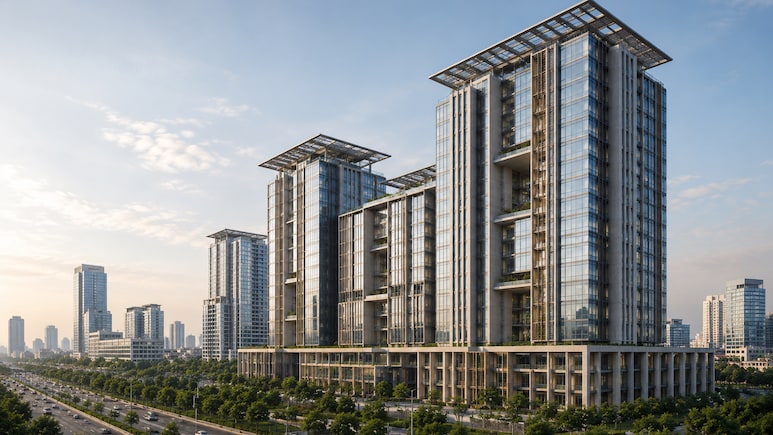
For years, "green building" has been one of the most overused phrases in real estate marketing.
A few solar panels on the roof. Some decorative plants in the lobby. A brochure full of sustainability buzzwords. Developers have sold the idea aggressively. Buyers have heard the promises repeatedly.
But on World Environment Day, a more important question deserves attention: Do green buildings actually work? Or are they simply another premium product wrapped in environmental messaging?
-

-
 World's 1st AI Actor Tilly Norwood Was Asked If She Knew Hindi. A Conversation Followed
 -
 AI Law In India Soon? What Ashwini Vaishnaw Said At NDTV World Summit
 -
 Eline van der Velden At NDTV Summit: AI Film Industry Will Create More Jobs
 -
 'Delhi vs Mumbai? World's First AI Actress Picks 'Chaos' At NDTV World Summit
 -
 Superintelligent AI Could Be A Year Away: Ex-Google DeepMind Researcher
 -
 'Threat Very Real To India': Microsoft AI Expert At NDTV World Summit
 -
 Iran's Supreme Leader's Representative Says India Can Play 'Big Role' In Middle East Peace
 -
 Palestine Ambassador Accuses Netanyahu Of Supported Hamas, Blocking Two-State Solution
 -
 Palestine Ambassador On Conflict With Israel: "It's A Genocide"
 -
 'The Balance Of Global Power Is Shifting': Shashi Tharoor At NDTV World Summit
The answer, according to industry experts and available data, is surprisingly straightforward.
When done right, green buildings do deliver measurable benefits. The bigger challenge is separating genuine sustainability from clever marketing.
India's Green Building Push Is Growing Fast
India's sustainability journey comes with a contradiction.
The country is now the world's third-largest carbon emitter, accounting for roughly 8.1 per cent of global emissions. Emissions also rose significantly in 2024. At the same time, India has emerged as one of the world's fastest-growing green building markets.
Today, India ranks third globally in LEED-certified projects. More than 10,000 green building projects covering over 12 billion square feet have been registered across the country. The Indian Green Building Council's footprint has expanded from 7.7 billion square feet in 2020 to nearly 13 billion square feet in 2024.
The ecosystem now includes more than 28 green cities, over 48 green villages and upwards of 21 lakh green-certified homes. The rapid growth is being driven by a combination of policy support, investor demand and changing consumer preferences.
As Ashish Sharma, AVP Operations at Brahma Group, points out, green buildings are increasingly being viewed not just as an environmental solution but also as a business imperative. He cites a global JLL survey showing that 73 per cent of investors believe green certifications contribute to higher occupancy, stronger rents, better tenant retention and improved asset values.
The Big Question: Do Green Buildings Actually Deliver?
The strongest argument in favour of green buildings comes from operational performance.
Unlike conventional buildings, certified green projects are designed to reduce energy consumption, conserve water and minimise waste throughout their lifecycle.
According to industry estimates cited by CREDAI-Colliers, IGBC-certified green buildings in India collectively save around 64.3 billion units of energy every year, conserve 198 billion litres of water, reduce 51.4 million tonnes of carbon emissions, and divert 2.5 million tonnes of construction waste from landfills annually.
Those numbers are difficult to dismiss as mere marketing.
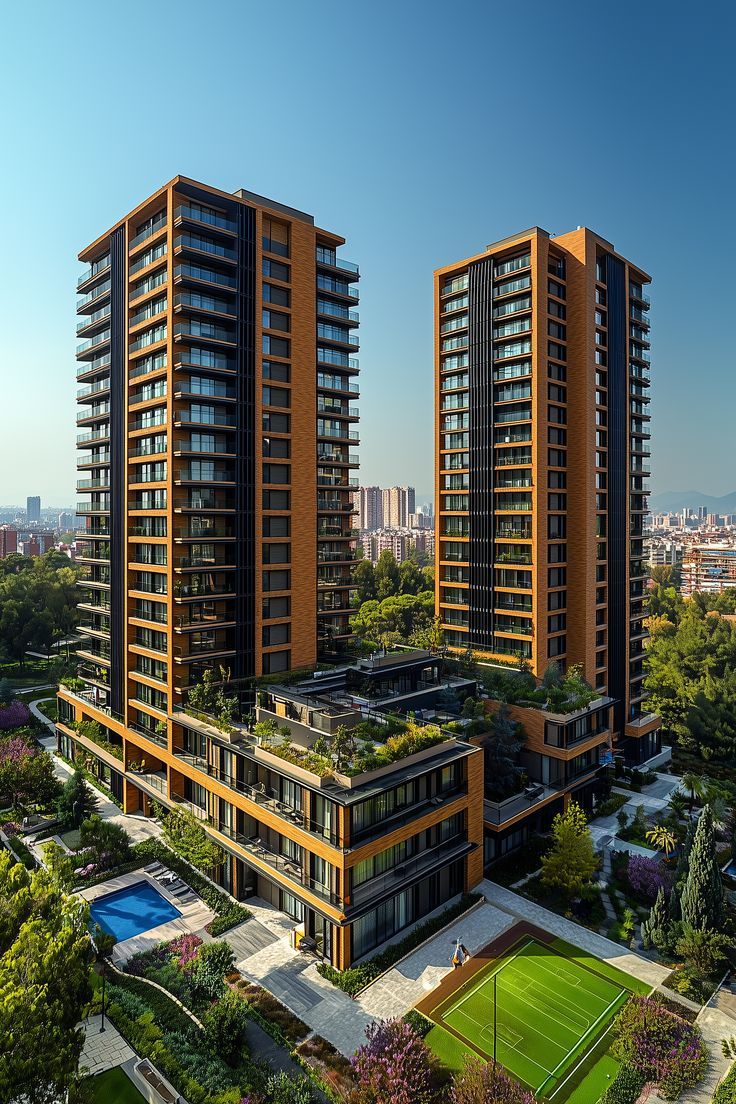
Robin Mangla, President of M3M India, says genuine green buildings embed sustainability from construction to daily operations. The result is not only environmental benefits but also tangible savings through efficient energy and water management systems.
Sudhanshu Dutt, CEO of Elevate Homes, echoes that view. According to him, sustainability becomes meaningful only when it is integrated across the development process and measured against recognised standards. Individual features such as solar panels or rainwater harvesting systems are useful, but they do not automatically make a building green.
The real value comes from a holistic design approach that reduces resource consumption and lowers operating costs for residents.
Greenwashing Remains A Real Problem
Not every project marketed as green deserves the label.
The real estate sector has seen its share of "greenwashing" -- developments that advertise sustainability without offering measurable environmental performance.
Experts say certifications remain the most reliable way for buyers to distinguish genuine green assets from marketing claims.
India's certification ecosystem has become increasingly sophisticated. Frameworks such as LEED, IGBC, GRIHA, WELL and EDGE evaluate projects across multiple parameters including energy efficiency, water conservation, waste management, indoor environmental quality and resource usage.
Dutt notes that these certifications rely on independent verification and measurable performance standards rather than self-declared claims. This provides buyers and investors greater confidence that sustainability promises are backed by actual outcomes.
Mangla also argues that certified projects offer significantly greater transparency because sustainability is assessed throughout the building's lifecycle rather than through isolated features.
How Much More Expensive Are Green Buildings?
One reason some buyers remain hesitant is the perception that green buildings are significantly more expensive. The reality appears less dramatic.
Industry estimates suggest that green-certified buildings typically carry a premium of about 3-5 per cent over conventional developments.
At first glance, that additional cost may seem substantial. However, advocates argue that the premium is increasingly being offset through lower utility expenses.
Smart energy management systems can reduce energy consumption by 10-30 per cent. Water-efficient infrastructure can lower net water consumption by 30-50 per cent.
Mangla says many premium homebuyers now view the additional upfront cost as a long-term investment rather than an added expense.
Deepak Sangwan, Chairman of Origen Realty, agrees. According to him, lower electricity bills, reduced water dependency and improved resource efficiency help compensate for the initial premium over time.
Over a 10-15 year ownership period, the cumulative savings can become significant.
The Lifestyle Advantage Buyers Are Paying For
The appeal of green buildings extends beyond utility bills. The pandemic fundamentally changed what many homebuyers expect from residential spaces.
Health, ventilation and indoor environmental quality moved higher on the priority list. Green buildings are increasingly designed around these concerns.
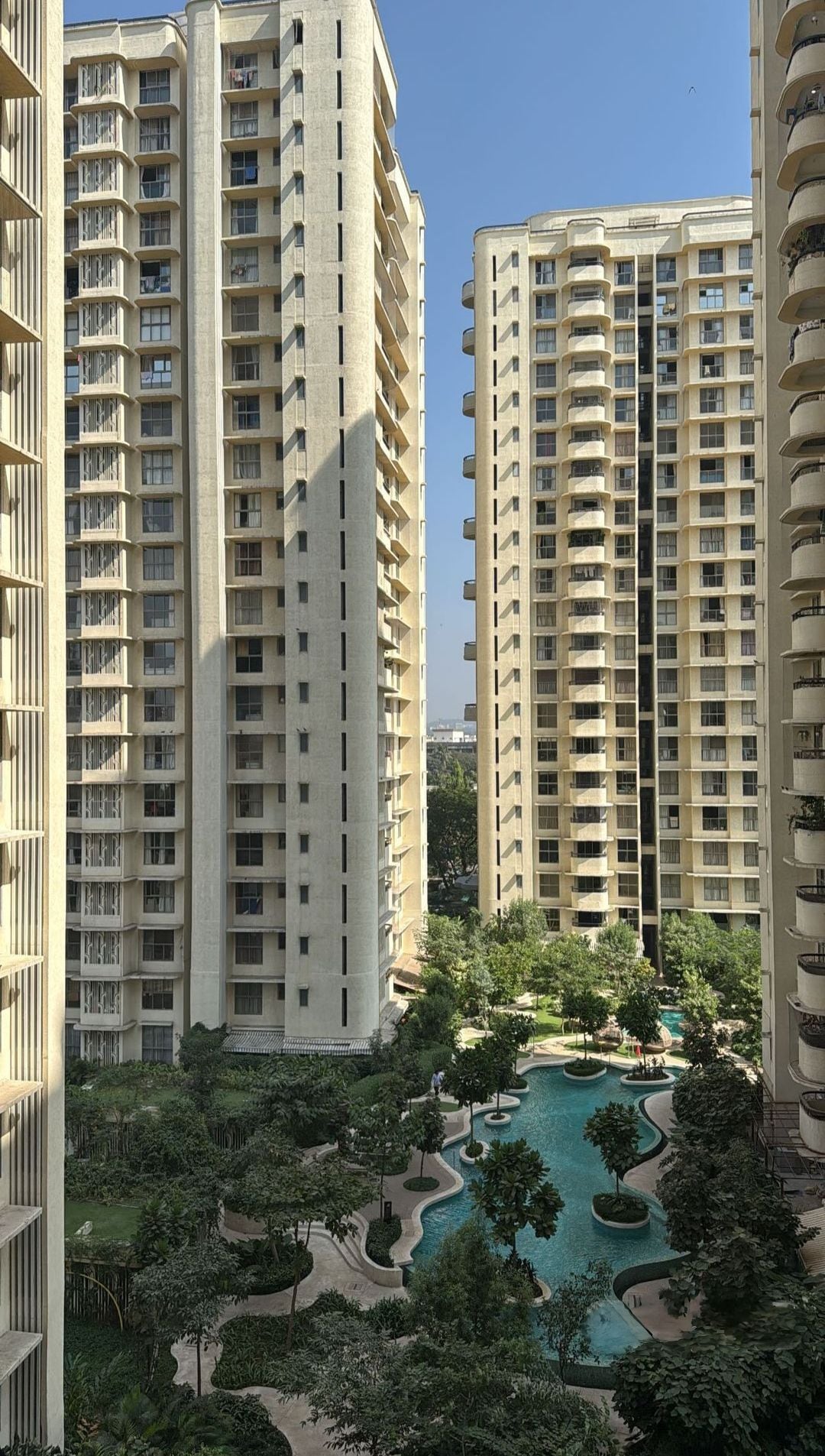
Sangwan highlights benefits such as enhanced natural lighting, improved air quality, better ventilation, superior noise insulation and the use of low-emission construction materials.
These factors contribute to a healthier and more comfortable living environment. For many buyers, especially in the premium housing segment, that quality-of-life improvement has become as important as the financial savings.
What Makes A Building Truly Green?
Experts caution against reducing green buildings to a simple checklist. A genuinely sustainable building functions as an integrated system.
Energy management typically combines solar panels, photovoltaic systems, smart thermostats, occupancy sensors, LED lighting and Variable Refrigerant Flow (VRF) technology. Together, these measures can cut energy consumption substantially.
Water conservation relies on rainwater harvesting systems, sewage treatment plants and efficient plumbing infrastructure.
Waste recycling facilities, EV charging stations, triple-glazed windows, noise insulation and biophilic design elements are increasingly becoming standard features.
Dutt says sustainability works best when these systems operate together rather than as standalone additions. That integrated approach is what ultimately drives long-term environmental and economic benefits.
The Regulatory Push Is Getting Stronger
Government policy is also helping accelerate adoption. India now has multiple frameworks supporting sustainable construction.
The Energy Conservation Building Code (ECBC), developed by the Bureau of Energy Efficiency, establishes minimum efficiency standards. GRIHA, supported by the Ministry of New and Renewable Energy, focuses on environmental performance and occupant well-being. WELL emphasises health outcomes, while GRESB provides ESG-focused assessments for investors.
The government's Eco-Niwas Samhita aims to improve sustainability in residential housing.
Additional incentives such as renewable energy benefits, ESG disclosure requirements, stamp duty rebates in some markets and faster approvals are gradually making green development more commercially attractive.
So, Do Green Buildings Deliver?
The evidence suggests they do.
Not every project marketed as green deserves the tag. Greenwashing remains a challenge.
But genuinely certified green buildings appear to be producing measurable results -- lower energy consumption, lower water usage, reduced emissions and improved living conditions.
The bigger question may no longer be whether green buildings work. It may be whether India can scale them fast enough.
As the country pursues its net-zero target for 2070 while continuing to urbanise at record speed, the buildings constructed today will shape environmental outcomes for decades.
For buyers, meanwhile, the calculation is becoming increasingly practical. A 3-5 per cent premium upfront may seem expensive. But paying higher electricity and water bills for the next 15 years may prove even costlier.
Track Latest News Live on NDTV.com and get news updates from India and around the world

