A Quiet Lifestyle Shift In Urban India Is Powering A $12 Billion Market
The organised sector accounts for just 15-20% of the interior design and home decor market. The remaining 80-85% still belongs to the fragmented ecosystem.
"My home is an extension of my identity."
Surely, someone you know must have said this to you. Or maybe you have said it to someone.
The line, originated in elite circles (probably), is now a common phrase in urban Indian households. But this line now has a market value too -- $12 billion.
How? A few years ago, buying a house was the finish line for most people. Now, it is only the beginning.
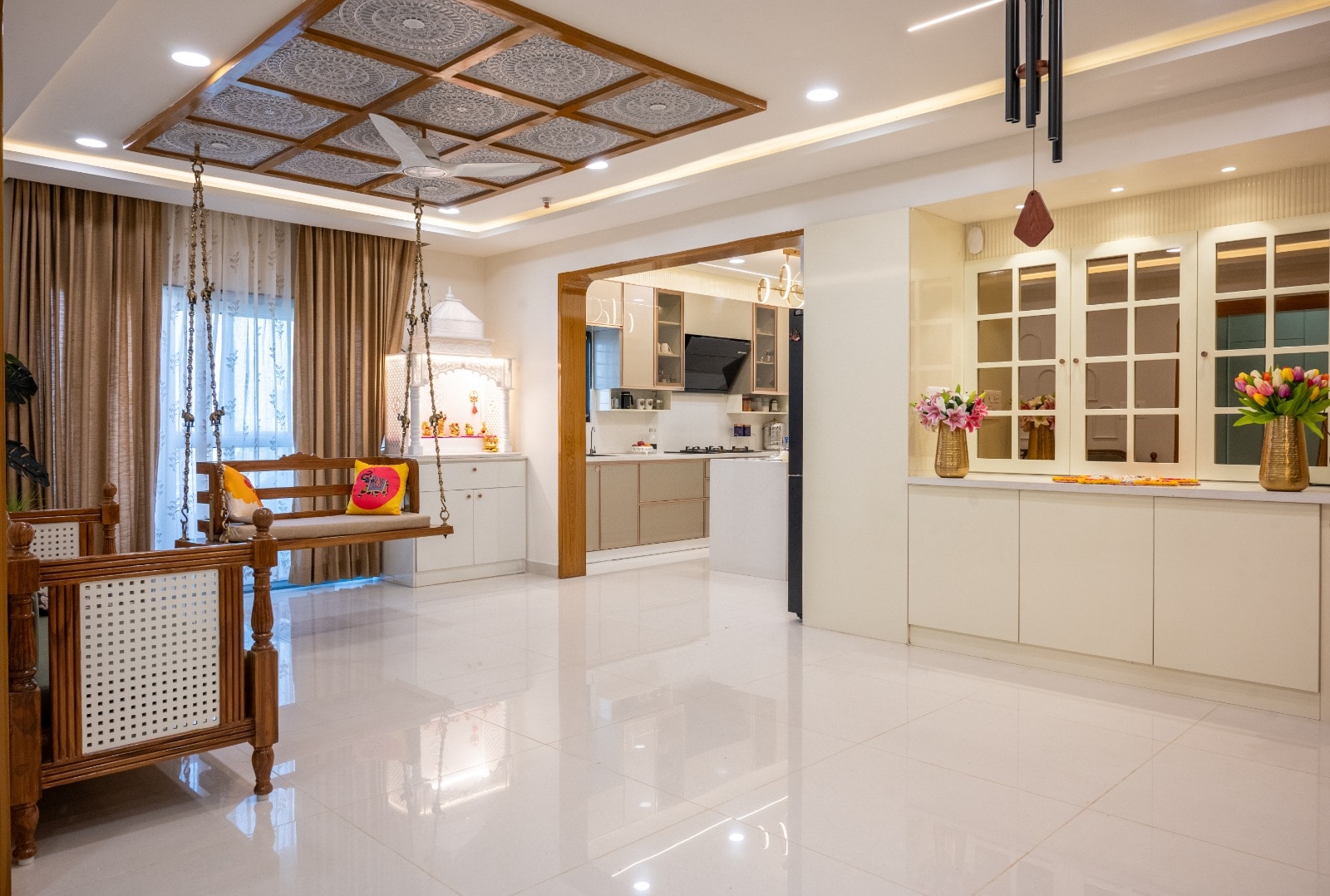
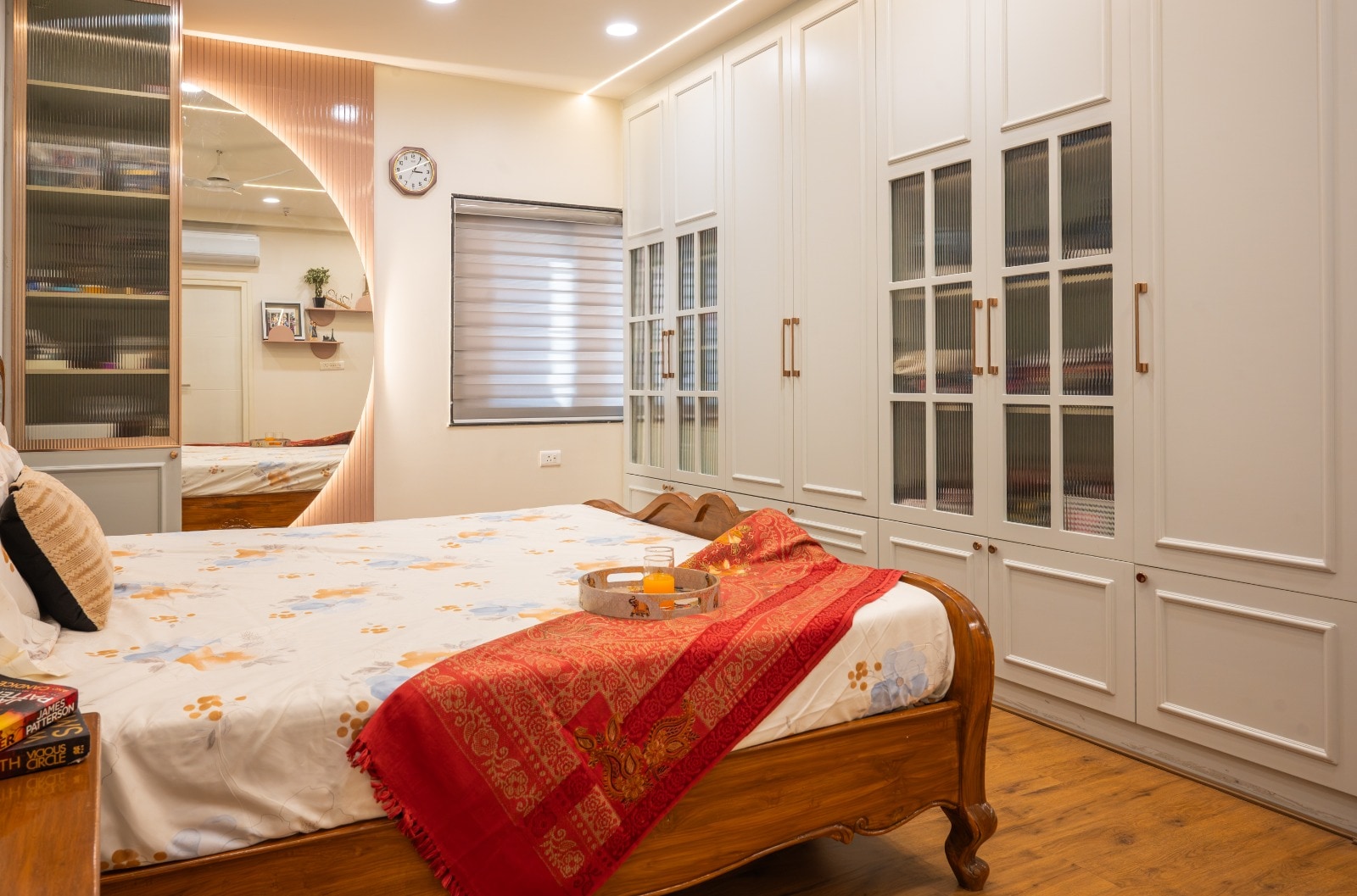
Across India's cities, homeowners are spending aggressively on interiors, decor, modular kitchens, smart lighting, luxury wardrobes, wellness corners, and customised living spaces. The shift is changing not just homes, but also the business of real estate, furniture, decor, and interior design.
Interior Design, Decor India Market: Numbers Tell The Story
Industry estimates suggest Indian homeowners are now spending anywhere between 10 per cent and 20 per cent of a property's value on interiors alone. That means a buyer purchasing a Rs 1 crore apartment could easily spend another Rs 10-20 lakh after getting the keys. In premium homes priced between Rs 2 crore and Rs 3 crore, interior budgets are stretching to Rs 20-40 lakh.
And this is no longer restricted to ultra-rich buyers in Mumbai or Delhi. The appetite is spreading rapidly across Tier-2 cities like Jaipur, Lucknow, Indore, Chandigarh, and Coimbatore.
India's home interiors market, currently estimated at more than $12 billion, is growing at 8-13 per cent annually. Residential demand alone now accounts for nearly 60 per cent of the overall interior design market.
Homes Are Becoming Identity Statements
"Residential homes are no longer defined by scale alone, they are defined by the amenities and level of experience they offer," said Amar Sarin, MD & CEO of TARC Ltd.
He said buyers today are looking for homes that reflect "identity, aspiration and a deeper sense of belongingness", while the lines between luxury housing and hospitality are increasingly blurring.
That mindset shift is becoming visible across India's housing market.
Developers, interior brands, and decor companies say millennials and dual-income households are driving the biggest transformation the sector has seen in years. Unlike previous generations that treated interiors as optional upgrades, younger buyers now see them as essential.
"The Indian residential market is witnessing a major lifestyle transformation," said Pyush Lohia, Managing Director of Lohia Worldspace. "Homes today are no longer viewed as just physical spaces -- they have become deeply personal reflections of comfort, aspiration, and identity."
This aspiration is reshaping spending behaviour. Social media platforms, design influencers, Pinterest-inspired aesthetics, celebrity home tours, and hybrid work culture have fundamentally altered what Indian buyers want from their homes.
According to Srikanth Iyer, Co-Founder & CEO of HomeLane, basic interiors now cost around Rs 800-1,200 per square foot. Mid-range projects typically range between Rs 1,500 and Rs 2,500 per sq ft. Premium interiors can go up to Rs 4,000 per sq ft, while luxury projects often exceed Rs 7,000 per sq ft.
Metro cities continue to command a 20-30 per cent premium over Tier-2 markets for similar specifications.
But the interesting part is where the next wave of growth is coming from.
Home Decor Market: Tier-2 India Driving Growth
"Tier-2 cities are emerging as major growth centres due to rapid urbanisation and rising aspirations," said Pranndeep Singh, Managing Director & Founder of White Flower Developers.
He added that buyers are now prioritising "personalised spaces, smart layouts, modular solutions, and functionality" right from the property selection stage.
The pandemic accelerated much of this behaviour.
Homes suddenly became offices, gyms, cafes, classrooms, and entertainment zones. Consumers started spending more time indoors and, eventually, more money on improving those spaces.
That has created a massive business opportunity for organised interior solution companies.
For decades, India's interior market remained dominated by local carpenters, contractors, and neighbourhood vendors. Even today, the organised sector accounts for just 15-20 per cent of the market.
The remaining 80-85 per cent still belongs to the fragmented, unorganised ecosystem. This fragmentation, according to industry executives, is both the sector's biggest challenge and its biggest opportunity.
"There is a visible shift toward organised and branded interior solutions that offer better quality, transparency, and design expertise," said Abhishek Raj, Founder & CEO of Jenika Ventures.
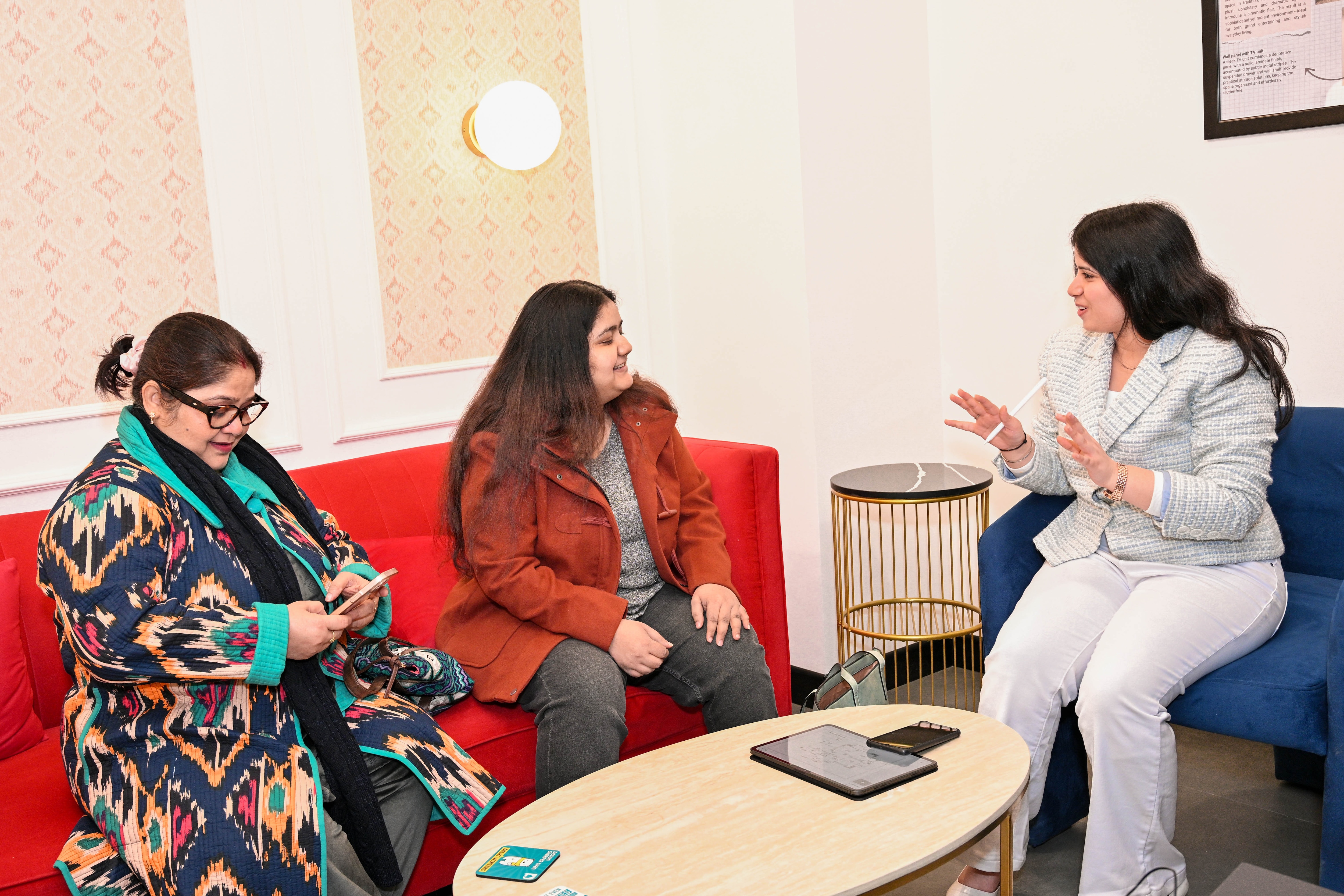
Companies are now aggressively targeting first-time homeowners, especially millennials, with promises of standardised execution, technology-led design, project timelines, and financing options.
Women Call The Shots
Brands are changing how they market interiors as the buying decision inside Indian households is increasingly collaborative.
Women largely influence aesthetics, colour palettes, kitchen layouts, and overall design themes. Men typically focus more on budgets, materials, durability, and long-term value.
Industry executives say interior brands now build campaigns around both emotional aspiration and practical investment logic. "The decision-making structure for home interiors in India is now predominantly joint," said HomeLane's Srikanth Iyer.
That evolution is also benefiting premium real estate developers. Luxury homes today are no longer sold merely on carpet area or location. They are marketed through curated living experiences -- wellness zones, hospitality-style amenities, green landscapes, private lounges, designer interiors, and community experiences.
Consumers, developers say, are willing to pay for that lifestyle. And they increasingly see interior spending not as an expense, but as an investment into quality of life.
That is why even amid rising property prices, interior budgets continue to expand. For many urban Indians, the dream home is no longer complete with just ownership papers.
It needs mood lighting, modular wardrobes, imported finishes, statement walls, ergonomic workspaces, customised kitchens, and Instagram-worthy aesthetics.
The house may still be the asset. But the interiors are becoming the identity.
-
Before The Nepal Flood, A Glacial Fall: Tracing The Trigger, And A 100-km Killer Run

A glacier came off a ridge on the Nepal-China border and travelled 100 km down multiple rivers, the longest part of the run being in the Trishuli.
-
Opinion | China To Pak To America, The Growing Dilemmas Of The 'General'
Recent civil military turmoil in the United States, China and Pakistan can be understood through two lenses.
-
Census Asks 40 Questions. Why Number 10 Is A Battleground | NDTV Explains
The caste question is a fill-in-the-blank for everyone other than SCs and STs. But there's a case for making it a dropdown with set options. Let's decode the history and math behind the politics.
-
Opinion | Why India's Bureaucrats Have Learnt That Doing 'Nothing' Is Safer
India's bureaucracy has perfected a peculiar survival strategy: make a decision, you may be punished; make none, and you are usually safe.
-
Opinion | 482 Dead, And Counting: How A Glacier Collapse Became A Himalayan Disaster
What looks like a sudden flood is actually the final link in a chain of events unfolding across an increasingly unstable Himalayas
-
Opinion | Rahul Gandhi Is Cleaning House - But At The Cost Of The Congress
In his search for a new organisation, Rahul Gandhi is making the big mistake of treating the Congress he inherited as dead weight.
-
One-Day Disaster, Multi-Season Economic Shock: Nepal's Sisyphean Curse
Nepal Flash Floods: Nepal cannot prevent every earthquake, landslide or glacial collapse. But it can reduce how much each disaster costs.
-
Meta Pays Billions Over Teen Harms In US. In India, Algo Runs Unchecked
The US Surgeon General has separately warned that heavy social media use roughly doubles adolescents' risk of depression and anxiety, and that nearly half of teens surveyed said it made them feel worse about their bodies.
-
Blog | 'No Calls, People Scanning Banks For Bodies': Nepal Journalist Describes Flood Aftermath
As of Thursday evening, it was still impossible to get through to mobile phones in Dhunche, the district headquarters, or the flood-ravaged towns of Syabru Bensi or Timure.
-
Opinion | Toxic Knows Exactly What It Is Doing To Its Hero. And You May Have Missed It
Toxic's bait-and-switch goes beyond its plot. Geetu Mohandas is almost making a subtle point - for those who can see it.