




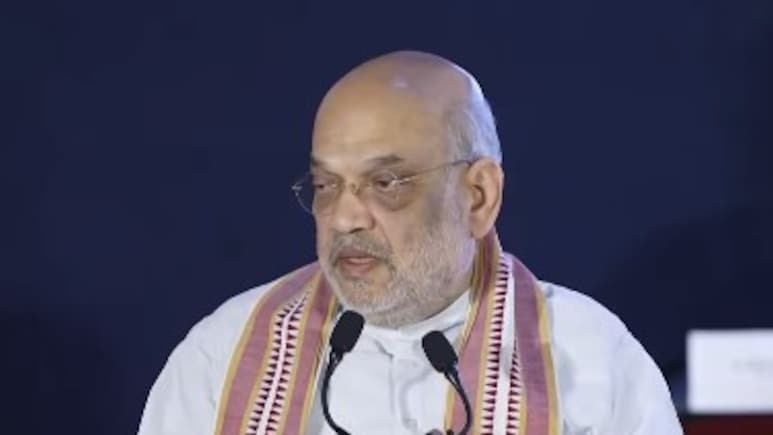
Union Home Minister Amit Shah's three-day visit to Arunachal Pradesh begins on Friday night against the backdrop of sustained opposition to the proposed 11,200-MW Siang Upper Multipurpose Project, with protests over the mega dam continuing despite the state government's attempts to reach out to affected communities.
The project, proposed across Siang, East Siang and Upper Siang districts, has drawn resistance from local residents and organisations over fears of displacement, environmental damage and the impact on the lives of communities living along the Siang valley.
The agitation escalated on October 23 and continued into the following morning, leading to arrests and detentions of several people.
Following the unrest, the Centre deployed two companies of the Central Reserve Police Force's Rapid Action Force (RAF) to the state. Demonstrations have since continued in parts of Siang, East Siang and Upper Siang, with protesters maintaining their opposition to the project.
The state government has been trying to persuade the protesting groups to participate in discussions, organising public meetings and consultations over the past two years to explain the proposed project and address concerns raised by residents.
However, the engagement efforts have failed to resolve the differences, and opposition to the dam remains strong.
Concerns over displacement, rehabilitation and the environmental consequences of the project have been central to the protests, with local organisations demanding clarity and assurances before the project moves forward.
Shah's visit comes as the state government continues to deal with the agitation. Chief Minister Pema Khandu has said a review meeting with the Home Minister has been proposed to discuss key issues facing Arunachal Pradesh. The meeting is expected to cover development, security and law-and-order concerns, besides other matters requiring the Centre's attention.
The Siang dam issue is likely to figure in discussions during the visit, particularly in view of the continuing protests and the state government's efforts to bring the opposing groups into dialogue.
Opposition to large hydropower projects has also surfaced elsewhere in Arunachal Pradesh. On October 26, protests were reported against the proposed 1,605-MW Subansiri Upper Hydroelectric Project, popularly known as the Menga Dam, reflecting growing concerns among communities over major projects planned in the state.
Shah is scheduled to arrive in Itanagar on Friday evening. On Saturday, he will attend the President's Police Colour presentation ceremony for the Arunachal Pradesh Police at 10 am at the Parade Ground of the Police Training Centre in Banderdewa. A Bada Khana with police personnel is also on the schedule.
At 2.30 pm, Shah will chair a high-level review meeting at Lok Bhavan in Itanagar. Development projects, border security and other issues concerning the state are expected to be taken up.
On November 22, the Home Minister will attend a programme at the Dorjee Khandu State Convention Centre to unveil the Arunachal Pradesh Cooperation Vision Document 2047. He will also distribute appointment letters to newly recruited government personnel, present Cooperation Awards and inaugurate the Saras Mela.
Later in the day, around 3.45 pm, Shah will visit Hollongi near Itanagar to inaugurate the new campus of the 12th Battalion of the National Disaster Response Force (NDRF), before leaving for New Delhi.
Arunachal Pradesh shares a 1,863-km international boundary with China, Myanmar and Bhutan. Border infrastructure, connectivity and livelihood opportunities in remote areas remain key priorities for the state under the Centre's Vibrant Villages Programme.
Shah last visited Arunachal Pradesh in June 2024 for the swearing-in ceremony of Pema Khandu after the Assembly elections. In April 2023, he visited Kibithoo in Anjaw district and launched the Vibrant Villages Programme.
Track Latest News Live on NDTV.com and get news updates from India and around the world

