





As the harsh grip of 'Chillai Kalan' tightens across Jammu and Kashmir, the Indian Army has significantly intensified counter-terrorism operations in the remote and snowbound districts of Kishtwar and Doda, determined to deny Pakistani terrorists any seasonal advantage. Defence sources said that contrary to past patterns of reduced activity during peak winter, this year has witnessed a decisive and aggressive shift in operational strategy.
"Winter will no longer be a pause button for terrorists," a senior defence source told this correspondent, adding that Army units have pushed deep into higher altitudes and forested belts despite sub-zero temperatures, heavy snowfall, and treacherous terrain. "The intent is clear: keep unrelenting pressure and flush out terrorists who believe winter offers concealment."
'Chillai Kalan,' the 40-day harshest phase of Kashmir's winter from December 21 to January 31, has traditionally seen a dip in terrorist movement due to blocked passes and disrupted logistics. However, defence sources said the Army has adopted a proactive winter posture this season, establishing temporary operating bases and surveillance posts in snowbound areas to prevent terrorists from regrouping or settling into hideouts.
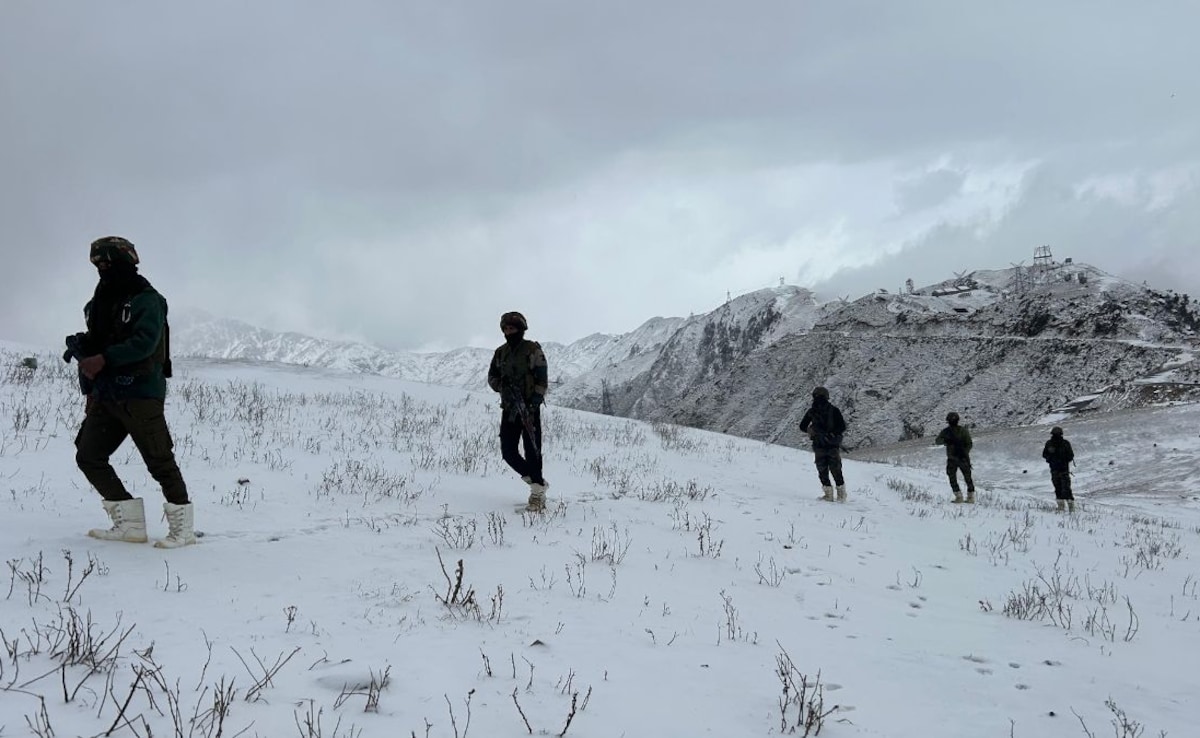
Army patrols are regularly traversing high ridgelines, deep valleys, and dense forests with limited visibility, often in extreme cold. According to sources, this approach reflects an evolution in counter-terror tactics. "The idea is to deny terrorists the luxury of time and space. There is no off-season anymore," a source said.
A key pillar of the current operations is the integrated, multi-agency framework. The Army is spearheading synchronised efforts involving the Jammu and Kashmir Police, Central Reserve Police Force, Special Operations Group, Civil Administration, Forest Guards, and Village Defence Guards. This coordination has enabled real-time intelligence sharing and swift execution of joint operations.
"Every input is cross-verified and analysed before action," a defence official said. "This synergy has reduced response time and increased precision, ensuring that no credible intelligence goes unexploited."
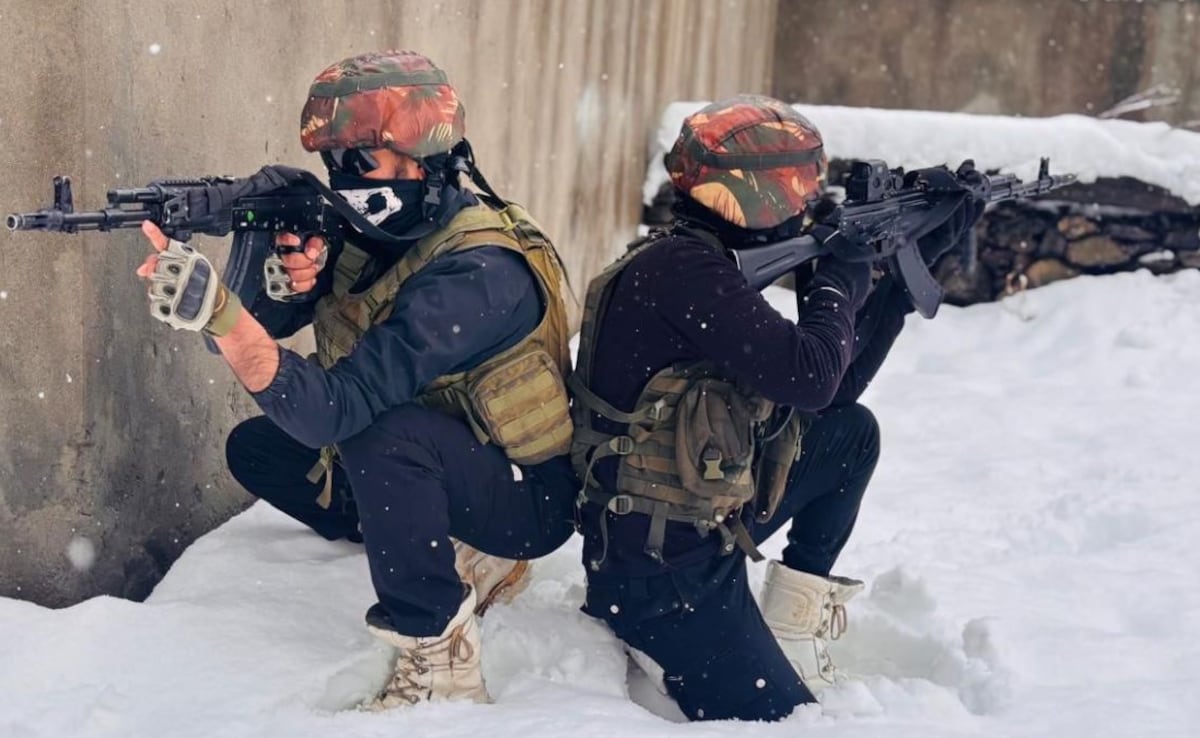
Intelligence assessments suggest that around 30 to 35 Pakistani terrorists are currently active in the Jammu region. Sources said sustained pressure in the plains and lower hills has forced these groups to retreat into middle and higher mountain reaches, areas largely devoid of habitation during winter.
"They are desperate, isolated, and struggling to survive," a source noted.
There have been inputs indicating attempts by these terrorists to coerce villagers for food and shelter. However, defence sources said local support has sharply declined. Heightened vigilance, active Village Defence Guards, and continuous Army presence have dried up the overground support network, further weakening the terrorists' ability to operate.
The Army's winter strategy focuses on both elimination and containment. While active operations aim to neutralise remaining terrorist pockets, a parallel objective is to confine militants to inhospitable terrain, cutting off their logistics, communication, and mobility. Concurrent operations across valleys, mid-altitudes, and high ridges ensure overlapping domination, leaving no escape corridors.
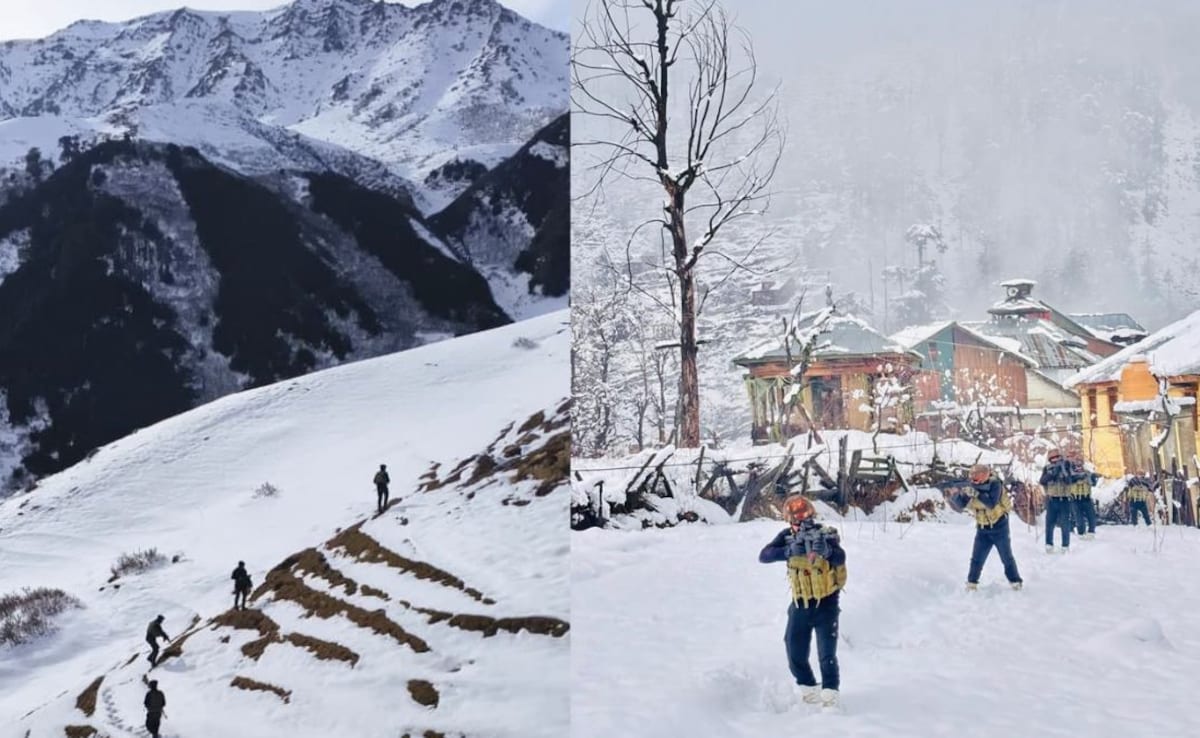
Each operation is followed by sustained surveillance, forming what sources describe as a "surveillance-sweep-surveillance" cycle. "Clearing an area is only half the job. Holding it through continuous watch is equally critical," a defence source said.
Specialised winter warfare sub-units, trained in snow survival, navigation, and avalanche response, have been deployed across key sectors. These troops, equipped with modern winter gear, are supported by advanced technology, including drones, ground sensors, surveillance radars, and thermal imaging devices.
"Technology has become a force multiplier," a source explained. "Drones and thermal imagers allow us to detect movement even at night or in terrain where foot patrols are risky."
Operational planning remains dynamic, with commanders frequently reviewing deployments based on real-time intelligence and weather conditions. Troops are rotated, patrol routes altered, and surveillance grids adjusted to maintain unpredictability and responsiveness.
Alongside kinetic operations, maintaining trust with local communities remains central. Village Defence Guards continue to act as early warning systems, while the Army's visible presence in remote villages reassures residents and counters intimidation attempts by terrorists.
Defence sources emphasised that this winter's operations are part of a larger, year-round doctrine designed to carry momentum into the summer months. "Every action now is aimed at ensuring terrorists have no breathing space later," a source said.
As snow blankets the mountains of Kishtwar and Doda, the message from India's security forces is unequivocal: winter will no longer shield Pakistan-sponsored terrorism. Even in the coldest days of Chillai Kalan, vigilance, pressure, and resolve remain unwavering.
Track Latest News Live on NDTV.com and get news updates from India and around the world

