

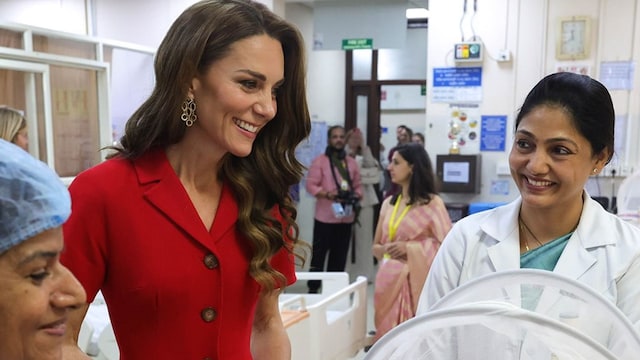
When Catherine, the Princess of Wales, made a solo visit to Mumbai's Nowrosjee Wadia Maternity Hospital on November 18, maternal and newborn health took centre stage during the royal couple's India visit. The engagement was more than a ceremonial hospital tour. It offered Princess Catherine an opportunity to understand how Indian healthcare professionals support women through pregnancy, childbirth and the early stages of motherhood, while exploring the country's approach to early childhood development.
The visit also brought attention to an issue that often receives less public attention than childbirth itself: the importance of maternal well-being, emotional support and a nurturing environment in shaping a child's future health.
For Catherine, whose work has increasingly focused on the first five years of a child's life, the Mumbai engagement was a natural extension of a longstanding commitment. It also highlighted the importance of institutions that provide accessible maternity care to women across socioeconomic backgrounds in India.
Why Catherine chose a maternity hospital in Mumbai
The Princess's visit took place on the final day of Prince William and Catherine's three-day India tour. She visited the hospital independently, meeting healthcare professionals, trainee doctors and families to understand the support available to mothers and newborns.
The engagement was particularly significant because Catherine is the patron of the Royal College of Obstetricians and Gynaecologists (RCOG), an organisation working to improve women's healthcare and reproductive health globally.
Her office explained the thinking behind the engagement, saying that many of the themes she has championed in the UK around early childhood as the foundation for life are universal. The visit provided an opportunity to explore these themes internationally and learn from Indian families and healthcare practitioners.
The Princess also heard about the experiences of mothers navigating complicated pregnancies and newborn health challenges. Among the patients she met was a mother recovering from pneumonia after delivering premature twins, one of whom had died while the other remained in intensive care.
She also met the mother of a baby who had required prolonged resuscitation after birth and subsequently recovered. These encounters brought attention to the physical and emotional difficulties families can face when childbirth does not go as expected.
Importantly, they highlighted why maternity care cannot end with a successful delivery. Postpartum recovery, neonatal support, counselling and the emotional well-being of parents are equally important parts of the healthcare journey.
Why maternal health is central to Princess Catherine's Early Years work
Catherine's interest in maternal health is closely connected to her wider commitment to early childhood development. In 2021, she established the Royal Foundation Centre for Early Childhood to raise awareness about the importance of the earliest years of a child's life.
The Centre's work is based on the understanding that experiences during early childhood, particularly the first five years, can influence a person's physical and mental health, emotional development, relationships and well-being throughout adulthood.
In January 2023, Catherine launched the Shaping Us campaign, an initiative to improve public understanding of how early experiences, relationships and surroundings shape children's development.
The Princess has consistently emphasised that early childhood development is not simply about education or reaching developmental milestones. It is also about the environment in which children grow up, the relationships they form and the support available to parents and caregivers.
Her Mumbai visit brought this philosophy into the maternity care setting. A child's development begins long before they enter a classroom. Maternal health during pregnancy, safe childbirth, newborn care and the emotional health of caregivers all contribute to the environment in which a child begins life.
In fact, the health and well-being of mothers and babies are closely interconnected. Maternal complications, premature birth, neonatal illness and postpartum mental health challenges can affect the entire family. Addressing these concerns requires healthcare systems to look beyond delivery-room outcomes.
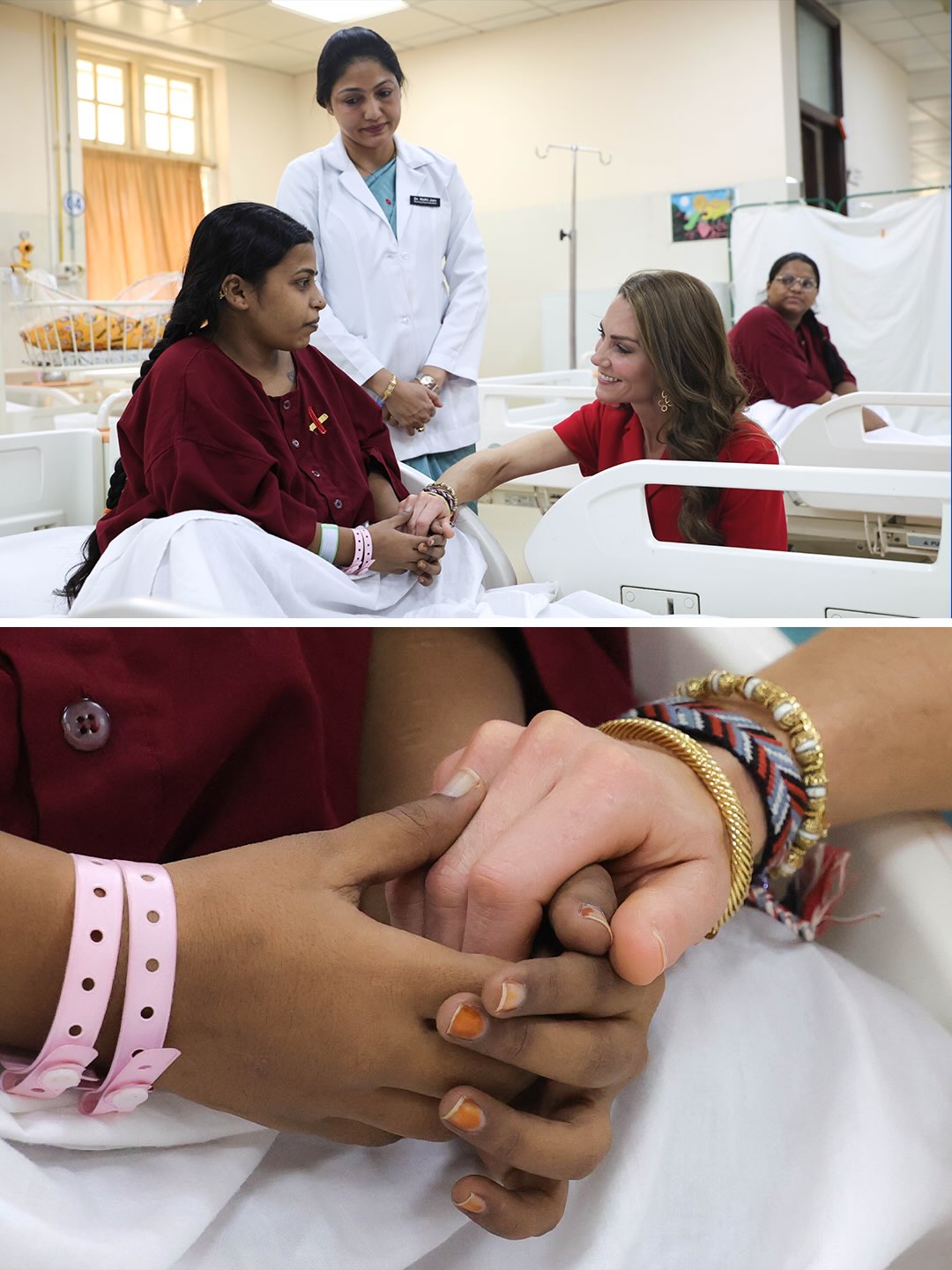
Photo Credit: Instagram/Prince and Princess of Wales
What doctors say about the importance of compassionate maternity care
The involvement of the RCOG in the Mumbai visit also underlined the importance of international medical collaboration in improving maternal healthcare. Dr Alison Wright, President of the RCOG, who accompanied Catherine during the visit, acknowledged the work of obstetricians, midwives and other healthcare professionals in supporting women and families during a particularly important phase of their lives.
Emphasising the importance of quality maternity services, Dr Wright said: "Every woman, baby and family deserve high quality, safe and compassionate care during pregnancy and birth." She also reiterated the RCOG's commitment to improving maternal health in the UK, India and across the world.
Her remarks are particularly relevant to India, where improving maternal and newborn healthcare requires more than expanding access to institutional deliveries. Timely antenatal consultations, identification of high-risk pregnancies, access to emergency obstetric services, skilled birth attendance and quality postnatal care are all essential.
The experience of mothers and families also highlights the importance of emotional support during and after pregnancy. Women who experience premature deliveries, pregnancy complications, neonatal intensive care admissions or the loss of a newborn may require psychological support alongside medical treatment.
Dr Wright also acknowledged the contribution of Dr Minnie Bodhanwala, CEO of Nowrosjee Wadia Maternity Hospital, and the hospital's medical teams. Meanwhile, Kate Lancaster, Chief Executive of the RCOG, highlighted the organisation's substantial presence in India.
The College has more than 2,000 members in India, making it its largest international membership community outside the UK. This professional network represents an important connection between Indian and British obstetrics and gynaecology specialists, including opportunities for medical education, training and knowledge exchange.
For India, such collaborations can contribute to strengthening clinical expertise, improving standards of care and supporting the next generation of women's healthcare professionals.
READ | Vaccination During Pregnancy Linked To Reduced Risk Of Preterm Birth And Stillbirth, Finds Study
Why the first five years of life matter
One of the central ideas behind Catherine's early childhood advocacy is that a child's development is shaped by much more than genetics or physical growth.
The first five years are particularly important for brain development, emotional regulation, social relationships and the foundations of lifelong health. Positive early experiences, responsive caregiving and stable relationships can support healthy development.
This also makes maternal well-being an important part of the early childhood conversation. A mother's physical health, nutrition, mental well-being and access to healthcare influence the circumstances in which her child develops. Similarly, families dealing with financial difficulties, limited access to medical services or inadequate social support may face additional challenges during pregnancy and early parenthood.
In India, where families have widely differing access to healthcare and support systems, the need for an integrated approach is particularly important. Maternity hospitals, primary healthcare centres, paediatricians, obstetricians, midwives and community health workers all have a role in ensuring that mothers and babies receive continuous care. The focus must also extend to fathers and other caregivers, who contribute to the child's early environment and can help support maternal recovery and well-being.
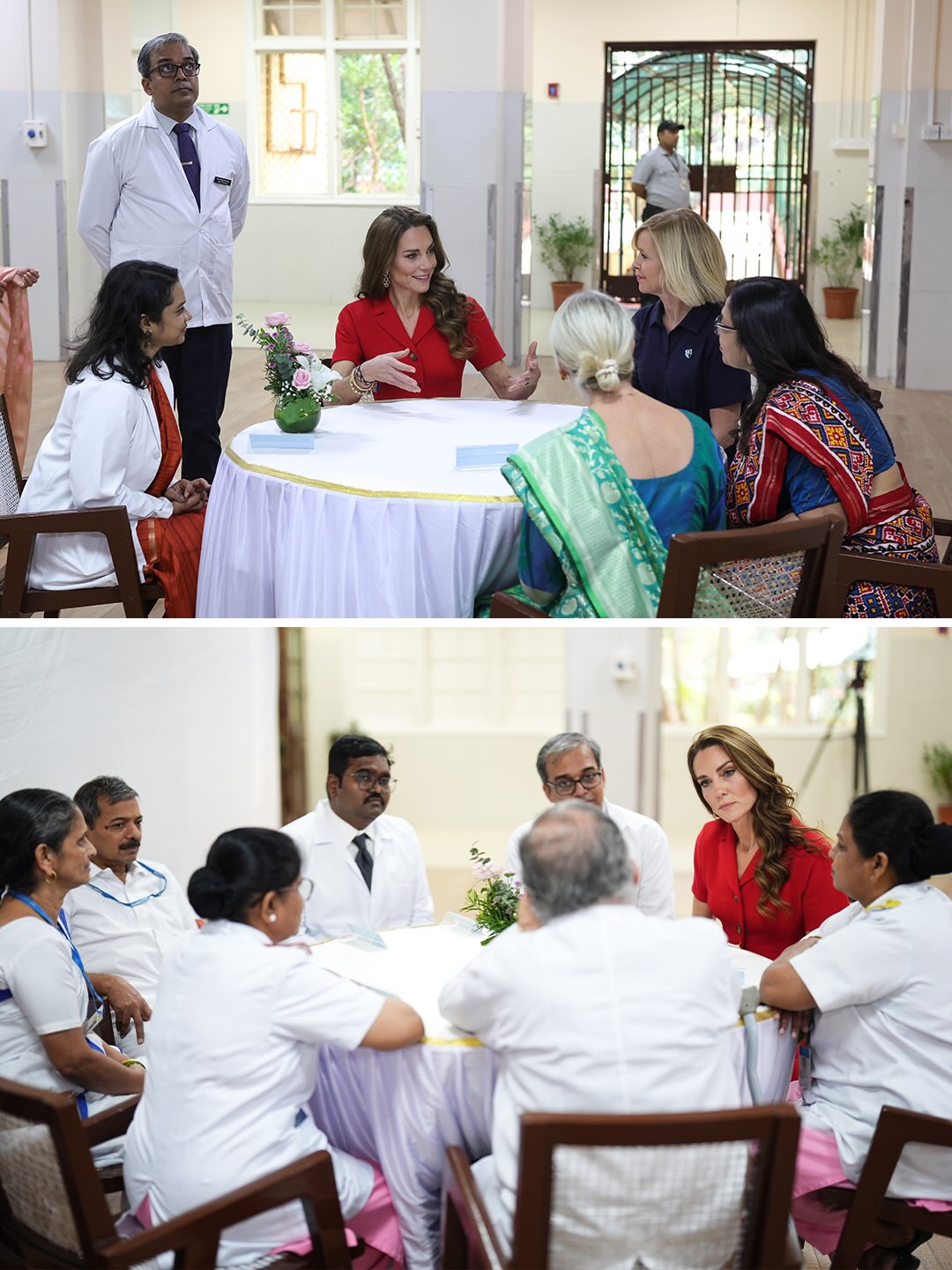
Photo Credit: Instagram/Prince and Princess of Wales
The larger message behind Catherine's Mumbai visit
Catherine's visit to Nowrosjee Wadia Maternity Hospital connected two important aspects of public health: maternal healthcare and early childhood development.
While the Princess's work through the Centre for Early Childhood has focused on creating greater awareness about the formative years of life, her Mumbai engagement offered an opportunity to understand how these principles translate into healthcare settings in a different country.
It also recognised the contribution of Indian healthcare professionals and families in navigating the challenges of pregnancy, childbirth and newborn care.
Ultimately, giving children the best possible start in life requires looking after the people who care for them. Safe pregnancies, compassionate childbirth experiences, accessible postnatal services and emotional support for parents are not separate healthcare priorities. They are interconnected foundations of healthier families and future generations.
Disclaimer: This content including advice provides generic information only. It is in no way a substitute for a qualified medical opinion. Always consult a specialist or your own doctor for more information. NDTV does not claim responsibility for this information.