

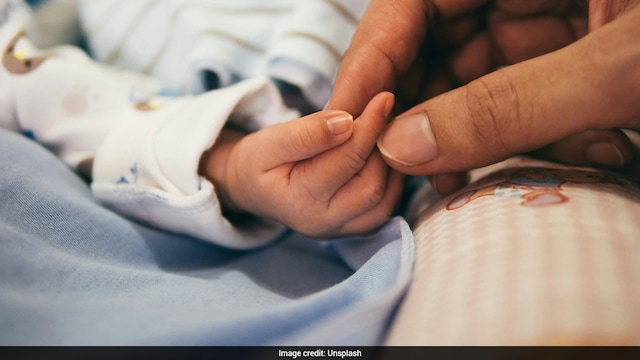
Can an unborn baby contract measles while still inside the mother's womb? Although rare, congenital measles is a recognised medical possibility, and a new report from the US has brought this unusual complication into focus. Between January 2025 and September 2026, 112 pregnant women in the US were diagnosed with measles, and 13 babies met the definition of congenital measles, according to a preliminary analysis published in the New England Journal of Medicine Evidence on November 16, 2026.
The findings are particularly concerning because measles is a vaccine-preventable infection, and almost all the affected pregnant women had either not received the measles, mumps and rubella (MMR) vaccine or had an unknown vaccination history. The report also comes at a time when the US and Mexico are losing their measles-free status after multiple outbreaks across both countries.
The development also raises an important question for countries such as India, where measles vaccination remains a major public health priority: Can an infection that is usually associated with childhood also threaten unborn babies?
Dr Sabine Kapasi, CEO, Enira Consulting Pvt Ltd, Founder of ROPAN Healthcare Pvt Ltd and a UN Advisor, and Dr Aishwarya R, Consultant - Infectious Diseases, Aster Whitefield Hospital, explain how congenital measles occurs, its potential complications and what women planning pregnancy should know.
Can babies be born with measles?
"Yes, although uncommon, congenital measles is medically possible," says Dr Sabine Kapasi. Congenital measles can occur when a pregnant woman contracts the measles virus and it is transmitted to the fetus through the placenta. This is different from a newborn acquiring the infection after birth through contact with an infected person. Dr Aishwarya R explains that measles is an extremely contagious viral disease and that maternal infection during pregnancy can have implications for both the mother and the developing baby.
It is also important to distinguish congenital measles from neonatal measles. The latter refers more broadly to measles infection occurring during the newborn period, including infections acquired around delivery or through exposure after birth.
In the recent US investigation, congenital measles was defined as a positive measles PCR test within 10 days of birth, or the development of fever and rash within 10 days of birth in a baby born to a mother with confirmed measles. The researchers clarified that a standard national surveillance definition for congenital measles does not currently exist.
READ | Doctors Are Raising Concerns About US Babies Born With Measles
Why are congenital measles cases being reported in the US?
The findings come from multiple large measles outbreaks between January 1, 2025, and September 28, 2026. The analysis published in NEJM Evidence identified 112 confirmed measles infections among pregnant women across 16 US jurisdictions. Of these women, 110, or 98%, had either not received an MMR vaccine before pregnancy or had an unknown vaccination status.
The health consequences were significant:
- 26 pregnant women were hospitalised for reasons unrelated to labour
- 11 developed pneumonia
- Two experienced respiratory failure
- One required intensive care
- Among 21 pregnancy outcomes reported within 14 days of the mother's rash onset, there were two pregnancy losses
- Eight of the 19 live births in this group were premature, and eight babies required neonatal intensive care
- Of the 16 newborns who underwent PCR testing, 13 tested positive for measles within 10 days of birth
These findings are preliminary, and pregnancy outcomes were not available for all 112 women. Nevertheless, they highlight the potential consequences of measles infection during pregnancy.
Dr Kapasi says, "Declining vaccination coverage creates pockets of susceptible populations, including women of reproductive age. When these women contract measles during pregnancy, the risks extend beyond the mother to the unborn child."
READ | US Loses Measles-Free Status As Cases, Deaths Mount
What are the risks of measles during pregnancy?
Measles is not simply a childhood rash-and-fever illness. Adults can develop serious complications, and pregnancy can make the consequences particularly concerning. According to Dr Aishwarya, maternal measles infection can cause pneumonia and other serious complications. Pregnancy outcomes may include miscarriage, stillbirth, premature labour and low birth weight.
Newborns who acquire the infection can develop fever, rash, jaundice, pneumonia and, in severe cases, neurological complications. Infections occurring close to delivery are particularly concerning because the newborn may not have received sufficient protective antibodies from the mother or developed an effective immune response of its own.
Dr Kapasi also cautions that congenital measles is a reminder that vaccine-preventable infections can affect more than the individual who contracts them. Maternal immunisation and community-level protection therefore have implications for newborn health.
Should pregnant women in India be worried?
The US findings should prompt awareness and preparedness rather than panic in India. India has made considerable progress in measles immunisation. According to the latest WHO/UNICEF estimates for 2025, coverage of the first measles-containing vaccine dose was approximately 98%, while second-dose coverage was around 95%.
Under India's Universal Immunisation Programme, children receive two doses of the measles-rubella (MR) vaccine: the first at 9-12 months and the second at 16-24 months. However, national averages can conceal gaps between states, districts and vulnerable communities. Unvaccinated pockets can allow measles outbreaks to emerge even when overall coverage is high.
Dr Kapasi says, "Measles does not respect geographical boundaries. Countries need strong immunisation programmes, reliable disease surveillance and public awareness." International travel and outbreaks in countries with declining vaccination coverage also underline the importance of maintaining high population immunity.
READ | 'A Ghost From The Past': US Doctors Lament Measles Resurgence
What should women planning pregnancy know about measles vaccination?
Preconception healthcare is an important opportunity to review vaccination history and immunity against preventable infections. "MMR vaccination, when indicated, should be completed before pregnancy," says Dr Kapasi.
The MMR vaccine contains live attenuated viruses and is therefore not recommended during pregnancy. Women are generally advised to avoid becoming pregnant for 28 days after receiving the vaccine. Women who are unsure about their vaccination history or immunity should discuss testing and vaccination with their doctor before planning a pregnancy.
What if a woman is already pregnant and has been exposed to measles?
Dr Aishwarya advises pregnant women who may have been exposed to measles to seek medical attention immediately. Depending on their immunity status and timing of exposure, doctors may consider immune globulin (IG), which provides temporary antibody protection and may reduce the risk or severity of infection.
Doctors also recommend that potentially exposed pregnant women contact their healthcare provider promptly rather than visiting a healthcare facility without prior communication. Importantly, women should not attempt to get an MMR vaccine during pregnancy as post-exposure protection.
READ | Bangladesh Launches Investigation Into Measles Vaccine Delays Amid Deadly Outbreak
The 13 congenital measles cases reported in the US are a reminder that declining vaccination coverage can have consequences extending beyond childhood infections. When a pregnant woman contracts measles, the risks can affect both her health and the outcome of her pregnancy.
For India, the priority should be to sustain high childhood immunisation coverage, identify vulnerable populations and strengthen awareness about preconception vaccination. Women planning pregnancy should review their immunity with a healthcare professional, while pregnant women exposed to measles need prompt medical assessment.
As Dr Kapasi emphasises, "Protecting mothers also means protecting the next generation." Preventing measles through vaccination remains far safer than managing its complications during pregnancy.
Disclaimer: This content including advice provides generic information only. It is in no way a substitute for a qualified medical opinion. Always consult a specialist or your own doctor for more information. NDTV does not claim responsibility for this information.