

)
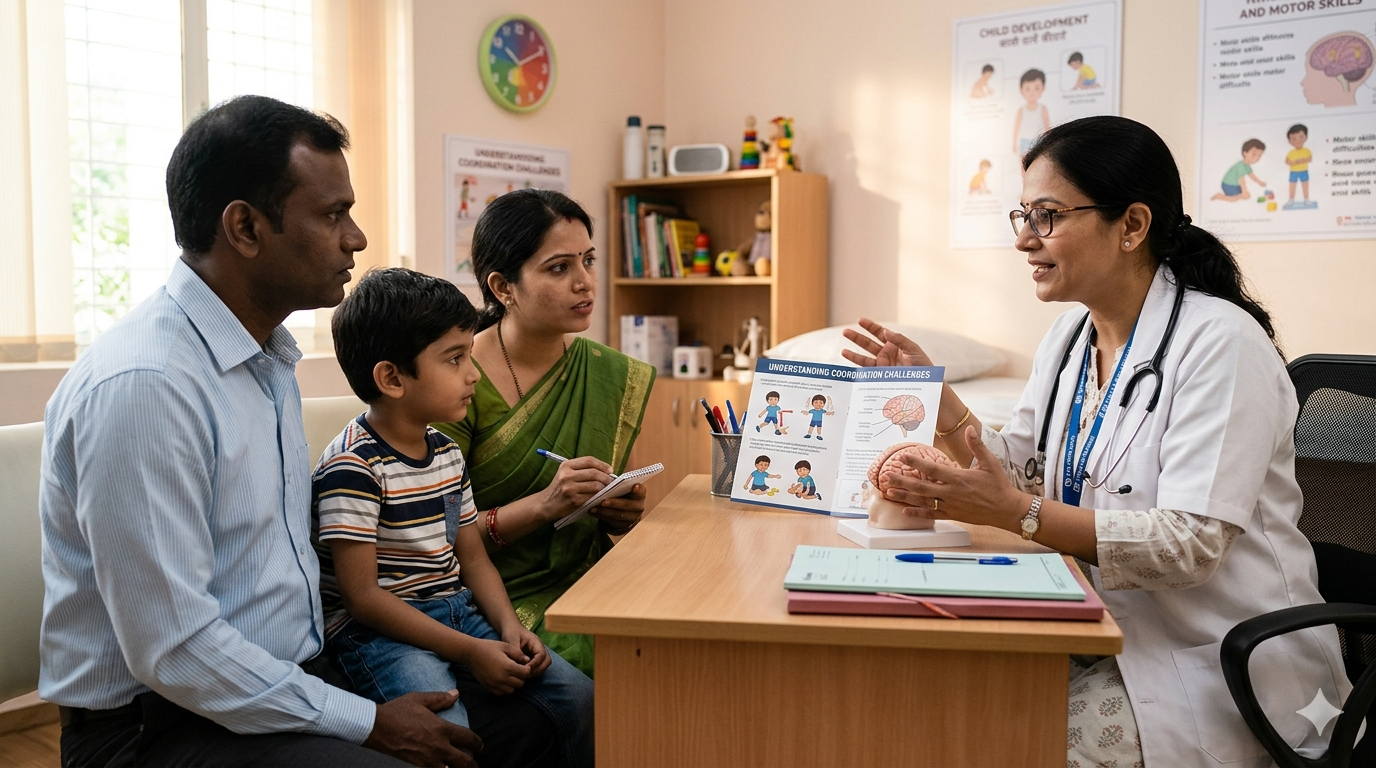
Most parents first notice it in ordinary daily moments. A child may struggle to tie shoelaces, hold a pencil properly, button a shirt, or keep balance while running and playing. Tasks that appear simple for other children often take much longer and require far more effort. Over time, many of these children are unfairly labelled as "clumsy," "careless," or "lazy," without recognising that there may be an underlying neurological condition affecting them. According to Dr Shiva Kumar H R, Consultant - Neurology, Gleneagles BGS Hospital, Kengeri, Bengaluru, one possible explanation for these difficulties is dyspraxia, a developmental disorder that affects motor planning and coordination.
What Is Dyspraxia?
"Dyspraxia is a developmental disorder of the praxis system that affects motor planning and the execution of activities," explains Dr Shiva Kumar H R. In simple terms, children with dyspraxia often know exactly what they want to do, but their brain struggles to properly plan and process the movement needed to complete the action. Importantly, this happens even though their muscle strength, sensation, and basic coordination may be normal.
"A child with dyspraxia often understands the task perfectly, but carrying it out requires much more effort and concentration," says Dr Shiva Kumar.
Also read: JANANI Platform Launched: Government Boosts Maternal And Child Healthcare
Everyday Signs Parents May Notice
The condition often becomes noticeable during routine activities at home or school. Common signs may include:
- Difficulty tying shoelaces or buttoning clothes
- Awkward pencil grip and messy handwriting
- Trouble using scissors or handling small objects
- Poor balance or coordination during sports
- Frequently dropping things or bumping into objects
- Difficulty organising school bags or classroom materials
"For many children, school is where these struggles become more visible," Dr Shiva Kumar notes. "Handwriting may remain messy despite constant practice, while sports and physical activities may feel stressful or embarrassing," he adds.
Emotional Impact Often Goes Unnoticed
One of the biggest challenges for children with dyspraxia is not just physical coordination, but the emotional burden that comes with repeated criticism and comparison. "What often goes unnoticed is the amount of effort these children are putting in every day," says Dr Shiva Kumar. "They are not careless or inattentive. In fact, many are trying much harder than others just to keep up." Because their difficulties are misunderstood, some children may begin avoiding games, classroom participation, or group activities due to fear of being laughed at or making mistakes. Over time, this can affect:
- Self-confidence
- Social interaction
- Academic participation
- Emotional well-being
Dyspraxia Is Not Linked To Intelligence
Experts stress that dyspraxia has nothing to do with intelligence. "It is important to understand that many children with dyspraxia are bright, creative, and highly capable in their own unique ways," Dr Shiva Kumar explains. Some children may excel in problem-solving, art, storytelling, music, or other creative skills despite struggling with motor coordination tasks.
Why Early Recognition Matters
Early diagnosis and supportive intervention can make a major difference in helping children adapt and build confidence. Treatment and support may include:
- Occupational therapy
- Motor coordination exercises
- Classroom accommodations
- Patience and encouragement at home
- Emotional support to improve confidence
"With early recognition, patience, encouragement, and the right support, children with dyspraxia can thrive academically, socially, and emotionally," says Dr Shiva Kumar.
Also read: India Launches First-Ever Comprehensive Guidelines For Childhood Diabetes Management
Children who struggle with coordination are not always careless or lazy. Sometimes, there is an underlying neurological reason behind these everyday challenges. As Dr Shiva Kumar H R highlights, understanding, empathy, and timely support can help children with dyspraxia overcome obstacles and reach their full potential. "Sometimes," he says, "understanding and kindness make the biggest difference of all."
Disclaimer: This content, including advice, provides generic information only. It is in no way a substitute for a qualified medical opinion. Always consult a specialist or your own doctor for more information. NDTV does not claim responsibility for this information.