





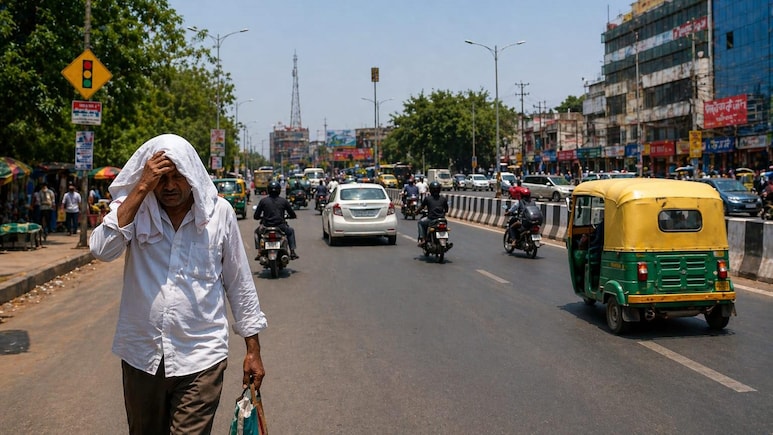
- India faces rising heat risks linked to health and income losses among vulnerable groups
- Heat insurance offers financial aid triggered by temperature thresholds during heatwaves
- Costs vary by coverage, location, and risk; add-ons start from a few hundred rupees annually
As India experiences longer, harsher summers and recurring heatwave alerts across several states, extreme heat is no longer being viewed merely as a seasonal inconvenience. Rising temperatures are now linked to hospitalisations, loss of income, productivity decline, and even deaths, especially among outdoor workers, elderly citizens, delivery personnel, and people with chronic illnesses. In response to these growing climate-related risks, "heat insurance" is emerging as a new financial protection tool in India. According to experts, heat insurance is designed to provide financial support when temperatures cross dangerous levels or when individuals suffer heat-related health and income losses during extreme weather events.
A CEEW (Council On Energy, Environment and Water) analysis confirms 57% of Indian districts (76% of the population) face high-to-very high heat risk, transforming heat from a regional issue into a nationwide crisis. Key findings indicate that very warm nights are rising faster than hot days, worsening health impacts across India. Top at-risk areas include Delhi, Maharashtra, Goa, Kerala, and Gujarat.
What Exactly Is Heat Insurance?
Heat insurance is a relatively new form of climate-risk protection that financially supports individuals, families, workers, or businesses affected by severe heatwaves. Unlike traditional health insurance, which reimburses hospitalisation expenses after claims are filed, heat insurance often works on a "parametric" model. This means payouts are triggered automatically once temperatures cross a pre-defined threshold for a specific number of days.
Also read: Heat Stroke vs Heat Exhaustion: Early Warning Signs You Should Never Ignore
Arun Ramamurthy, Co-founder, Staywell.Health, explained, "Heat insurance is becoming increasingly relevant as extreme heat has changed from a seasonal discomfort to an economic and health-risk event. Heat waves are one of the deadliest forms of natural disaster, affecting outdoor workers, gig workers, farmers, construction workers, traffic personnel, and small businesses across India." He added that these policies are particularly useful because they can provide quicker financial assistance compared to traditional claim-based insurance systems.
Why Is Heat Insurance Becoming Important In India?
India has witnessed record-breaking temperatures over the past few years, with several regions reporting dangerous heatwave conditions during summer months. Experts believe the economic and medical burden associated with heat exposure is rising sharply. Extreme heat can lead to:
- Heat stroke
- Severe dehydration
- Kidney complications
- Fatigue and productivity loss
- Hospitalisation
- Loss of wages for daily earners
- Increased electricity and cooling expenses
For vulnerable populations, even a few days of extreme heat can create significant financial distress. Siddharth Maurya, Managing Director, Vibhavangal Anukulkara Pvt Ltd, said, "Many people underestimate the financial impact of climate-related health risks until they face unexpected medical bills and income loss. Heat insurance is now becoming a climate-resilient financial tool," he adds.
How Much Does Heat Insurance Cost?
Since heat insurance is still an emerging category in India, pricing varies depending on:
- Coverage amount
- Duration of coverage
- Geographic location
- Risk category of the insured person
- Whether it is bundled with health insurance
Experts say entry-level climate or heat protection add-ons may start from a few hundred rupees annually, while broader coverage plans for businesses or high-risk workers may cost more. Currently, many insurers are exploring heat-related riders and climate-risk add-ons rather than standalone "heat insurance" products. In some cases, employers may also include such coverage for workers exposed to outdoor heat.
Also read: Health Ministry Warns Of Intense Heatwave Between April-June 2026; How The States Are Preparing
What Does Heat Insurance Usually Cover?
Coverage differs from one insurer to another, but heat insurance may include:
- Heat stroke-related hospitalisation
- Emergency medical expenses
- Income loss due to inability to work
- Cooling equipment damage
- Temporary relocation support
- Compensation after prolonged heatwave conditions
- Business interruption losses in extreme weather
Some policies automatically release payouts once temperatures exceed a fixed threshold in a region. However, experts caution that heat insurance is not a replacement for standard health insurance. Arun Ramamurthy noted, "Regular health insurance remains essential for covering hospitalisation due to heat-related illnesses such as heat stroke and dehydration. Heat insurance should be viewed as a supplementary protection layer."
How Is The Insurance Industry Changing?
Experts say India's insurance sector is gradually shifting from reactive protection to preventive and personalised coverage. Siddharth Singhal, Head of Health Insurance at Policybazaar, said, "Health insurance in India is undergoing a fundamental shift from being a reactive financial product to becoming a proactive health partner." He added that innovations such as reduced waiting periods, disease-specific plans, wellness-linked benefits, and modular add-ons are making insurance products more customised and relevant to emerging risks, including climate-related health threats.
Who Should Consider Heat Insurance?
Experts say the following groups may benefit the most:
- Delivery executives
- Construction workers
- Farmers
- Factory workers
- Senior citizens
- People with heart, kidney, or neurological disorders
People living in regions with repeated heatwave alerts may also consider climate-risk protection plans.
Things To Check Before Buying A Heat Insurance Plan
Before purchasing any heat-related insurance product, experts recommend reviewing:
- Temperature trigger conditions
- Claim settlement rules
- Exclusions and waiting periods
- Hospitalisation coverage
- Income-loss benefits
- Existing health insurance overlap
- Policy duration
- Cooling or relocation coverage
Consumers should also compare whether their existing health insurance already covers heat-related emergencies. With climate change intensifying heatwaves across India, heat insurance is gradually emerging as a new category of financial preparedness. While still evolving, experts believe such coverage may become increasingly important for protecting health, livelihoods, and household finances during extreme summers. However, doctors and insurance professionals stress that prevention remains equally critical. Staying hydrated, avoiding direct heat exposure, taking medical precautions, and maintaining comprehensive health insurance continue to be the first line of protection against heat-related risks.
Disclaimer: This content including advice provides generic information only. It is in no way a substitute for a qualified medical opinion. Always consult a specialist or your own doctor for more information. NDTV does not claim responsibility for this information.
Track Latest News Live on NDTV.com and get news updates from India and around the world

