

)
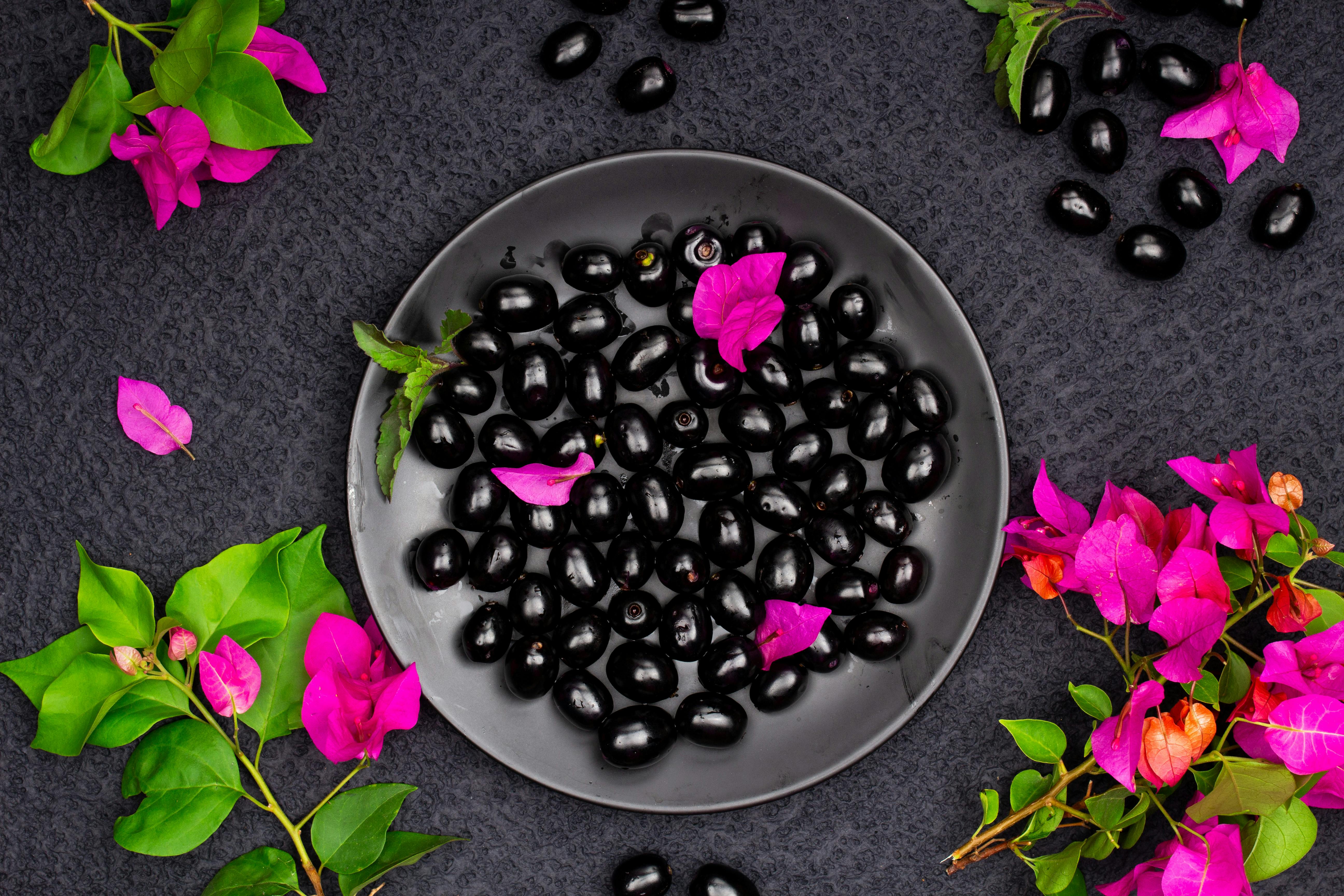
Jamun is a seasonal fruit that is widely consumed in India for its many health benefits. A popular claim associated with it is that eating it with salt could help you lose weight faster. But does this weight loss claim have any science to back it up, or is it completely unnecessary? The answer to this can be based on research papers, as the Molecules Journal mentions that weight loss could be achieved by eating jamun consistently. But eating it specifically with salt is a social media trend. While there are weight loss management benefits associated with eating jamun as part of a healthy diet, it is also important to consider the holistic approach that is necessary for effective weight loss.
Why Is Jamun Often Linked To Weight Loss?
Various research papers published in the Journal of Pharmacognosy and Phytochemistry and the International Journal of Agriculture and Food Science mention that jamun is a low-calorie fruit that has diverse health benefits, one of which is regulating weight. Jamun can support a calorie-controlled diet, but it does not solely result in weight loss.
Practically, you could swap the cravings for processed foods with this healthy fruit instead to make use of its health benefits. Instead of gorging on a packet of chips, you could eat a handful of fresh jamun instead.
It is deeply researched that jamun is a low-calorie, high-dietary-fibre fruit that also contains bioactive compounds that could help improve metabolic health.
Note: Only eating jamun can't result in weight loss, but it can support weight loss management when it is eaten in moderation.
What Happens When You Eat Jamun With Salt?
When a small amount of salt is eaten with jamun, it can only improve the taste. Currently, there are no peer-reviewed journals or studies that prove that eating it with salt could aid in weight loss. Contrary to popular belief, adding salt to jamun doesn't directly burn fat, burn calories, or reduce belly fat. The only proven clinical benefit is for reducing fat storage, only when it is eaten as part of a healthy diet alongside different lifestyle habits that actively support weight loss.
Is Mid-Morning The Best Time To Eat Jamun?
Most people who live a high-intensity lifestyle tend to feel hungry mid-morning as their breakfast has been metabolised. While most people opt for snacks, only a few focus on healthier choices, such as seasonal fruits, to balance their energy levels.
If you eat jamun in between this window, it could help you control your appetite for highly processed snacks and make you feel full.
Can Jamun Help Control Appetite?
Research published in the Journal of Pharma Insights and Research pinpoints that jamun could help with appetite control, as it is rich in fibre and increases fullness. Your ability to snack on processed and ultra-processed foods could be reduced if you eat jamun seasonally in moderation. Generally, a handful of the fruit is enough, as too much can trigger side effects.
What Does Research Say About Jamun and Weight Management?
The Current Research in Nutrition and Food Science Journal suggests that jamun contains polyphenols and antioxidants that support weight management.
Jamun is famously prescribed to diabetics as part of their diet, as it functions as a potent blood sugar regulator.
When blood sugar levels are stabilised, it could benefit appetite regulation and help control cravings.
Active weight loss requires maintaining a calorie deficit and physical activity to make sure your body is able to receive nutrition while having room for burning calories.
Does Adding Salt To Jamun Have Any Downsides?
Yes, it can, as those who are already dealing with high amounts of sodium in their diet can experience side effects.
Those who have been diagnosed with hypertension need to regulate their sodium intake.
If you consume too much salt, your body starts retaining too much water, leading to water weight gain.
Note: Salt with jamun is a social media trend with no clinical evidence. Focus your efforts on eating healthy and exercising, rather than a social trend that promises impossible health benefits.
How Much Jamun Can You Eat In A Day?
Currently, there is no fixed portion size, but an approximate safe dose as mentioned in the Molecules journal. It highlights that 100-150 gms of jamu is safe, which translates to 10-15 medium-sized jamu. Your diet should have varied sources of nutrients, and jamun should make up a limited part of your plate for balance.
Note: Consult a nutritionist or dietician who can best advise on the exact amount of jamun needed in your diet. And how it can improve your weight loss efforts with its healthy components.
Other Benefits Of Jamun Beyond Weight Loss
Jamun is a fruit that has several health benefits that extend far beyond regulating weight. It could be used to manage your blood sugar levels, control appetite, and improve your digestive health, as well as support your heart health.
All of these health benefits beyond weight loss are only possible if your gut can readily absorb the nutrients present in the fruit. For maximum absorption, ensure you source the best quality and eat them when they are available fresh and in season. Remember to store them in the fridge to avoid spoilage.
Nutritionist-Approved Ways To Eat Jamun For Weight Management
Nutritionist Deepsikha Jain explains that jamun should be eaten in moderation and can be used for weight management smartly. It is best to consume the seasonal fruit when it is fresh and with minimal changes to its nutritional profile. Jamun can be paired with high-protein nuts and seeds to improve its health impact, but not everyone can tolerate this combination.
Jamun is a nutrient-dense fruit that is available seasonally and could support weight management. The approach to take with the fruit is balanced with its portion size, quality, and timing for maximum health impact. If you are actively trying to lose weight, then you need to loop in a nutritionist or dietician to maintain your nutritional needs while actively losing weight that is not needed and sustaining it for long-term health.
Also Read: Does Raw Turmeric Have More Curcumin Than Packaged Turmeric?
Disclaimer: This content including advice provides generic information only. It is in no way a substitute for a qualified medical opinion. Always consult a specialist or your own doctor for more information. NDTV does not claim responsibility for this information.