





- Toddlers consuming more ultra-processed foods showed slight increases in behavioural issues by age five
- Ultra-processed foods made up 46% of daily calories for Canadian preschoolers in the study
- Replacing 10% of UPFs with minimally processed foods linked to modestly lower behavioural problem scores
Ultra-processed foods (UPFs) are known to cause several health issues, especially cardiometabolic disorders, mental disorders, and increased mortality. A recent Canadian study found that toddlers who consume more ultra-processed foods showed slightly higher behavioural and emotional difficulties including anxiety, fearfulness, aggression or hyperactivity, by age five. The study was published in JAMA Network Open and conducted by a team led by researchers at the University of Toronto. The research analysed over 2,000 children and emphasises the potential benefits of swapping UPFs for minimally processed foods (MPFs).
Kozeta Miliku, principal investigator on the study and an assistant professor of nutritional sciences in University of Toronto's Temerty Faculty of Medicine, said, "The preschool years are critical for child development, and it's also when children begin to establish dietary habits. Our findings underscore the need for early-life interventions such as professional advice for parents and caregivers, as well as public health campaigns, nutrition standards for child-care providers and reformulation of some packaged foods."
Understanding Ultra-Processed Foods
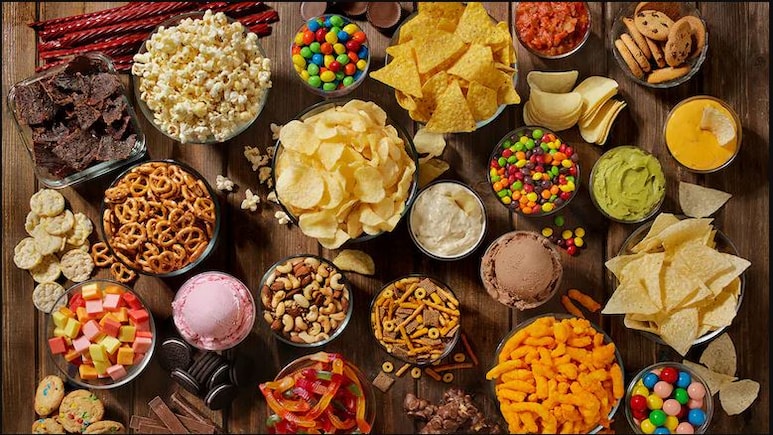
Ultra-processed foods are those foods which have high amounts of refined ingredients, additives, and substances, which are rarely used in home cooking. These include emulsifiers, artificial flavours, and high-fructose corn syrup. Some examples of ultra-processed foods include sugar-sweetened beverages, artificially sweetened drinks, ready-to-eat meals like French fries or macaroni and cheese, breads, and packaged snacks. In Canada, these foods account for nearly half, around 46%, of preschoolers' daily calorie intake. This makes them a staple in the diet of toddlers despite their links to health concerns like obesity and cardiometabolic issues.
The NOVA classification system, used in the study, categorises foods based on processing levels, distinguishing UPFs from unprocessed or minimally processed foods (MPFs) like fruits, vegetables, whole grains, and fresh meats. This distinction is important because UPFs often exceed recommended levels of sodium, saturated fats, and sugars.
Study Overview
Researchers drew information from the CHILD Cohort Study which is a large prospective study tracking pregnant women recruited between 2009 and 2012 across four Canadian sites; Vancouver, Manitoba, Toronto, and Edmonton. For the analysis, the researchers focused on 2,077 children without congenital abnormalities, assessing their diets at age three via a 112-item food frequency questionnaire (FFQ).
Behavioural outcomes were evaluated at age five using the Child Behaviour Checklist (CBCL), a caregiver-reported tool yielding T-score scales for internalising symptoms (e.g., anxiety, withdrawal), externalising behaviours (e.g., aggression, hyperactivity), and total problems. Scores are standardised, with higher values indicating greater challenges.
Study Findings on UPF Consumption
At age three, children consumed a median 1,489 kcal daily, with UPFs comprising 46% on average. By age five, mean CBCL scores were 45 (internalising), 40 (externalising), and 41 (total). Every 10% increase in UPF calorie contribution correlated with small CBCL score rises, less than 1 T-score point across all domains. This translates to slightly higher anxiety, fearfulness, aggression, or hyperactivity.
Specific UPF categories increased the risks; artificially sweetened and sugar-sweetened beverages, breads, and ready-to-eat foods were strongly linked to internalising symptoms.
Dietary Substitution
Substitution models showed hopeful insights. Replacing 10% of UPF calories with MPFs was linked to modestly lower CBCL scores in all categories. Miliku said that the findings indicate that making even a few changes can make a difference toward supporting healthier development. She said, "Our findings suggest that even modest shifts toward minimally processed foods, like whole fruits and vegetables, in early childhood may support healthier behavioural and emotional development."
She further said, "As a parent of a toddler, I started noting how often convenience foods appear in children's diets, sometimes even in places we consider healthy environments."
"Parents are doing their best and not all families have access to single-ingredient foods, or the tools and time needed to incorporate them into their families' diets. Ultra-processed foods are widely available, affordable and convenient," she added.
"It is important to consider how we can gradually increase whole and minimally processed options when possible." Miliku said that even modest changes, such as adding a piece of fruit or swapping a sugary drink for water, may support children's emotional and behavioural development over time. "The goal is to provide evidence that can help families make informed choices," she said.
Disclaimer: This content including advice provides generic information only. It is in no way a substitute for a qualified medical opinion. Always consult a specialist or your own doctor for more information. NDTV does not claim responsibility for this information.
Track Latest News Live on NDTV.com and get news updates from India and around the world

