

)
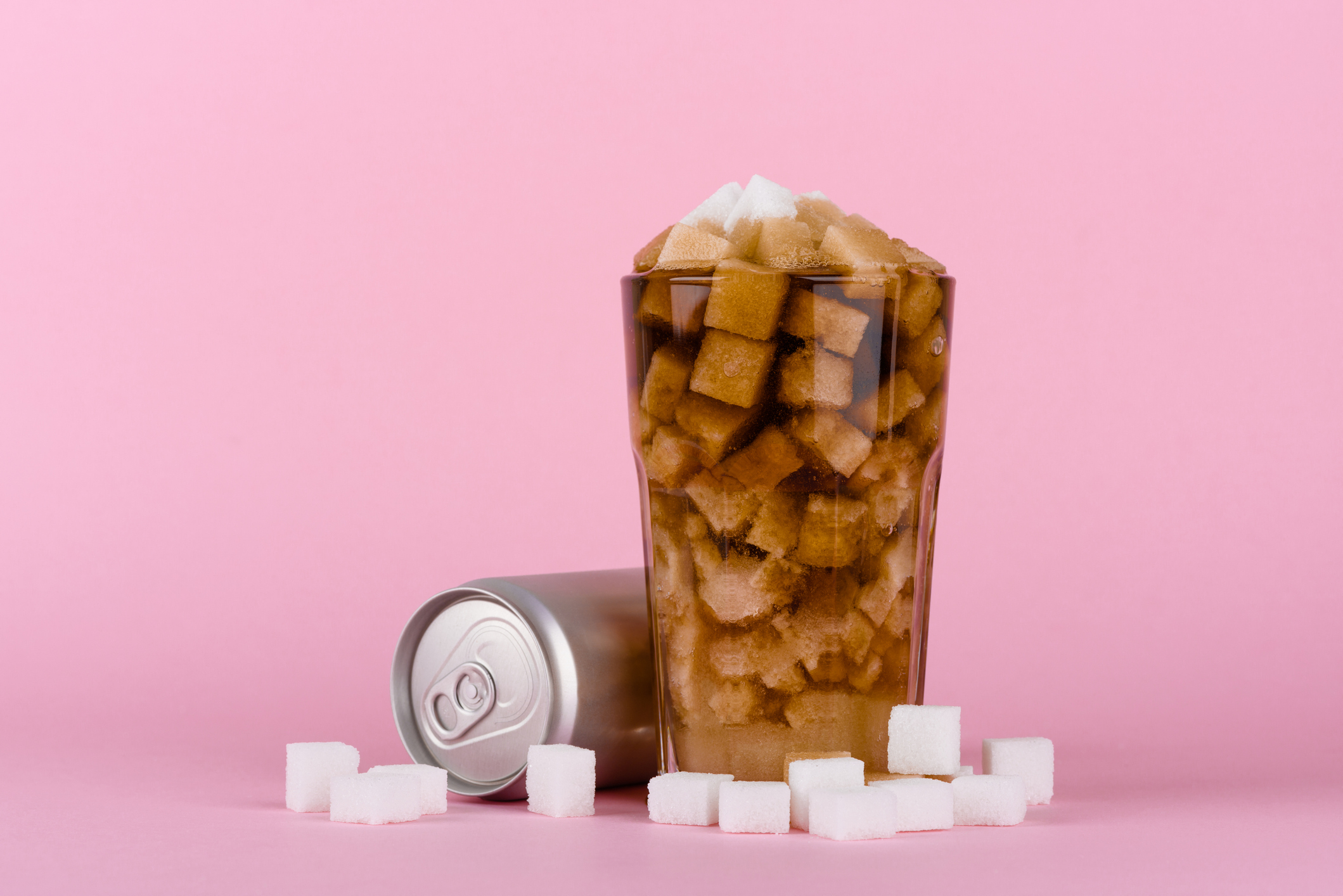
Sweet foods are imbedded into Indian diets. But behind the sweet taste is a growing body of research that connects these sugar-laden beverages to serious health issues, from obesity and diabetes to heart disease and early death. This is not just about extra calories; it's about how liquid sugar affects metabolism, our organs and long-term health. The question is: Are sugary drinks really that bad, and does reducing consumption make a difference? Below are the harmful hazards of sugary drinks and how to pressure control on consumption.
The harmful hazards of sugary drinks
1. Weight gain and obesity
Unlike solid foods, sugary drinks don't make you feel full. When calories come as liquid sugar, the brain doesn't register them the same way, leading to extra energy intake without reducing appetite later. Over time, this excess energy gets stored as fat, particularly around the abdomen, a major risk factor for metabolic diseases. Strong evidence from global reviews shows that regular intake of sugar-sweetened beverages (SSBs) is linked to higher risks of obesity and cardiometabolic diseases like diabetes and coronary heart disease. That daily soda even if it's just one, steadily adds “invisible” calories that put on pounds over months and years.
2. Type 2 diabetes
Type 2 diabetes is now one of India's biggest health challenges, affecting millions. Sugary drinks with high levels of added sugar cause rapid spikes in blood glucose and put extra strain on the body's insulin response. Over time, this leads to insulin resistance, the hallmark of type 2 diabetes. What's more, in people who already have diabetes, regular sugary drink intake is tied to worse health outcomes. Large long-term studies found that compared with healthier options like water or tea, daily sugary drink consumption was linked to significantly greater risks of cardiovascular disease, early death, and diabetes complications.
3. Heart health
Sugary drinks don't just contribute calories; they affect blood fat levels, inflammation, and blood pressure, all risk factors for heart disease. Research shows a clear dose-response relationship: the more sugar-sweetened drinks consumed, the higher the risk of premature death especially from cardiovascular disease. This is particularly relevant in India, where heart disease is already a leading cause of death. The additive effect of high sugar intake accelerates the process.
4. Beyond diabetes and heart disease: other organ risks
Emerging research suggests sugary drinks may also harm the liver and even be associated with risks of certain cancers, though evidence is still evolving and less definitive than for diabetes and heart disease. Meanwhile, some analysis hints that daily sugary drinks might raise risks of cancers such as oral cancer, although such findings require more robust research and peer review.
How to control consumption of sugary drinks
- Keeping water within reach throughout the day reduces impulse cravings for sweetened beverages.
- Read labels before sipping. Many bottled drinks contain 25–40 grams of added sugar per serving, nearly the entire daily recommended limit.
- Choose whole fruits over fruit juices; chewing fruit slows sugar absorption and improves satiety.
- Cut down gradually, not suddenly, for example, halving daily consumption improves long-term adherence.
- Switch to unsweetened options like plain soda water, black tea, coffee or herbal infusions.
- Opting for the smallest available size significantly lowers total sugar intake.
- Dehydration is often mistaken for sugar cravings; drink water first and reassess.
Sugary drinks are more than just a source of extra calories, they are linked with a cascade of metabolic disruptions, ranging from insulin resistance and weight gain to heart disease and premature death. Cutting back sugar even slightly, can lead to real health gains. For the Indian audience facing rising rates of diabetes and cardiovascular disease, the message is clear: reducing sugary drinks today can protect health tomorrow.
Disclaimer: This content including advice provides generic information only. It is in no way a substitute for a qualified medical opinion. Always consult a specialist or your doctor for more information. NDTV does not claim responsibility for this information.
References
Sugar-sweetened beverages intake and risk of obesity and cardiometabolic diseases in longitudinal studies: a systematic review and meta-analysis with 1.5 million individuals, European Society for Clinical Nutrition and Metabolism : 2022.
Harvard study: Ditching sugary drinks tied to reduced diabetes complications, Harvard Health Publishing : 2023.
What does the sugar in beverages do to your body?, American Heart Association : 2025.
Higher consumption of sugary beverages linked with increased risk of mortality, Harvard T.H. Chan School of Public Health : 2019.
Sweetened Beverages Linked to Millions of Global Diabetes and Heart Disease Cases, Nature Medicine / JAMA Network : 2025.
WHO report on sugary drink affordability and tax recommendations, Reuters summary : 2026.
Emerging liver risks from sugary and diet drinks, gastroenterology conference data : 2025.
Preliminary study linking sugary drinks and oral cancer risk, JAMA Otolaryngology–Head & Neck Surgery : 2025.