

)
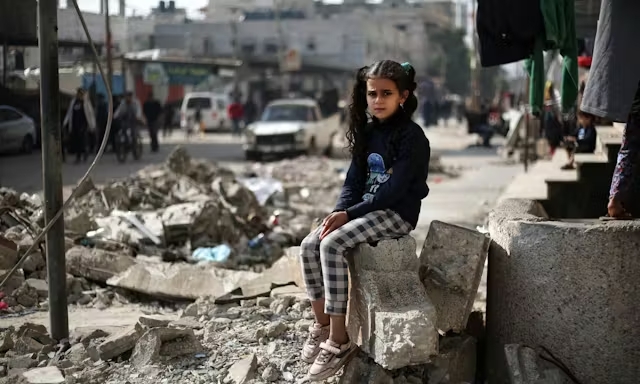
The psychological toll of wars and conflicts extend far beyond the battlefield. In regions such as Iran, Ukraine and Gaza, civilians, especially children, are not only exposed to physical violence but also to sustained fear, displacement, loss and destruction that leave deep, invisible scars on mental health. According to the World Health Organization (WHO), approximately 22% of people in conflict-affected areas suffer from a mental disorder, including anxiety, depression and post-traumatic stress disorder (PTSD) directly linked to war experiences. UNICEF estimates that over 473 million children, almost one in six worldwide, now live in conflict-affected areas, exposing them to violence, disrupted education, and psychosocial stressors that impede their mental health and development.
Peer-reviewed studies, like the one published in Conflict and Health, confirm these impacts. In Gaza, surveys after years of conflict reveal extremely high rates of anxiety, depression and probable PTSD among adults, while research on the Russia-Ukraine war shows elevated stress and PTSD symptoms in populations both inside and outside the conflict zones.
The Mental Health Burden In Active Conflict Zones: A Closer Look
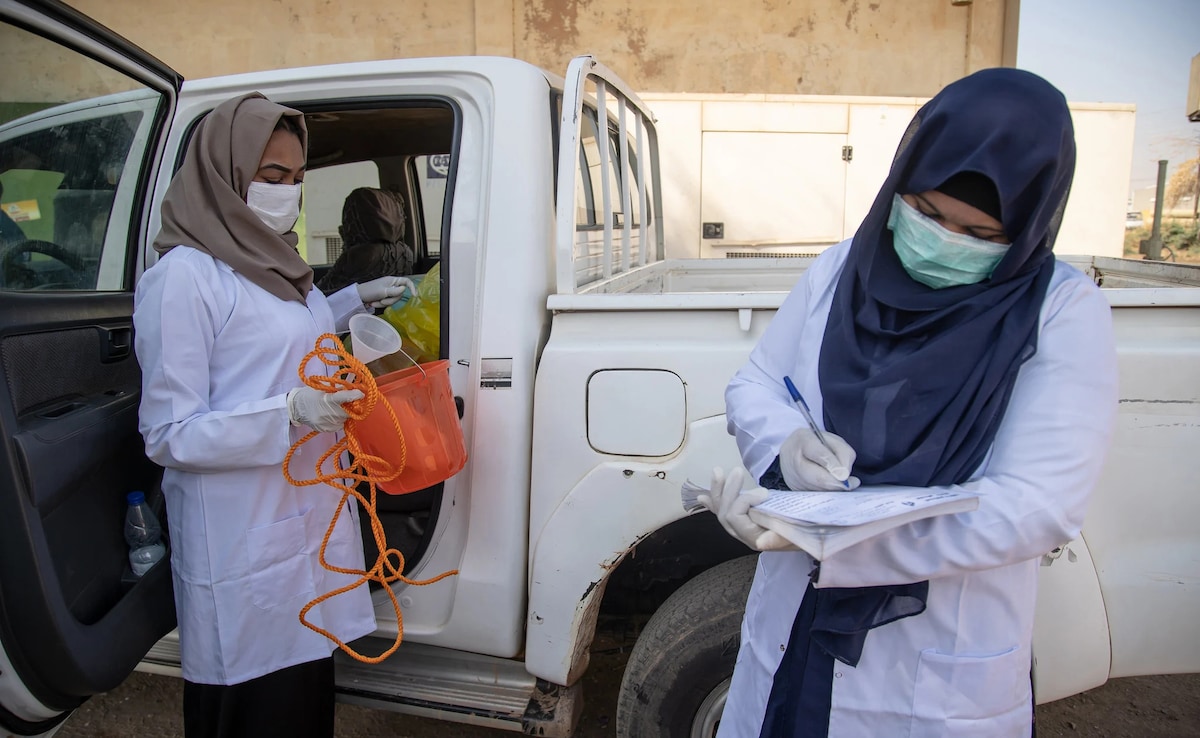
The WHO says 22% of people in conflict-affected areas suffer from a mental disorder
Photo Credit: World Health Organization
Iran: An Emerging Crisis
Emerging evidence indicates that the ongoing Iran-US-Israel conflict is taking a profound toll on mental health both within Iran and across the wider West Asia region. According to World Health Organization, conflict exposure places people at dramatically higher risk of conditions such as depression, anxiety and post-traumatic stress disorder (PTSD), with 22% of those affected by war or violence developing lasting mental health disorders. National data from Iran suggest that around one in four Iranians has experienced a psychiatric disorder, particularly depression and anxiety, even before the latest hostilities, and that access to treatment remains limited.
Furthermore, UNICEF reports that roughly 40% of children and adolescents in conflict-affected parts of Iran require mental-health and psychosocial support, underscoring the acute psychological burden on young people. These findings mirror broader UN research showing that prolonged insecurity, displacement and violence in war zones significantly increase psychological distress across populations.
Also Read: Iran To Gaza, How The WHO's Surveillance System Monitors Attacks On Healthcare In Conflict Zones
Gaza: Trauma Under Siege
In the Gaza Strip, the ongoing war has created an environment where psychological distress is widespread. A narrative review of studies in Gaza indicates high prevalence of PTSD, depression and anxiety disorders across demographic groups due to chronic exposure to violence, loss and displacement. Children, adults and the elderly are all affected, with cumulative trauma undermining community cohesion and resilience.
Recent research conducted in Gaza after continuous warfare showed 72.7% of participants reported moderate to severe depression, 65% reported moderate to severe anxiety, and 83.5% met criteria for probable PTSD, alarmingly high rates reflective of prolonged distress. These findings align with WHO's broader observations that conflict exacerbates mental health conditions by exposing populations to relentless stressors.
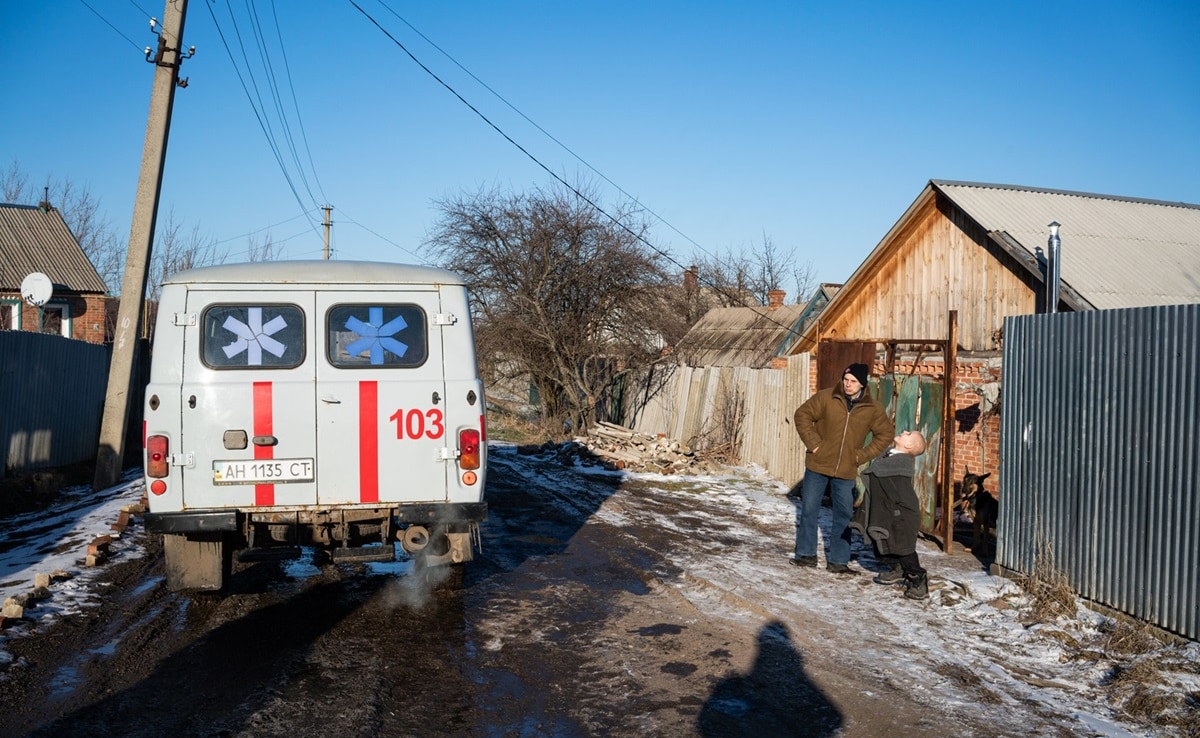
Ukraine has seen multiple attacks on its healthcare system
Photo Credit: World Health Organization
Ukraine: War-Induced Stress Across Borders
The mental health impact of the Russian-Ukraine conflict has also been profound. Research across 11 countries found that Ukrainians and those living near the conflict front exhibited worse mental health indices than populations farther away. Stress, anxiety and PTSD symptoms were significantly higher among people directly affected by war.
A JAMA Network Open study reported that feelings of helplessness and living "close to suicide" nearly tripled among Ukrainians in the first years after the war began, highlighting the severe psychological toll of prolonged uncertainty, loss of employment and intermittent bombardments.
Child Mental Health: A Generation In Crisis?
Children in conflict settings are especially vulnerable. UNICEF's reporting underscores that exposure to violence, displacement and fear substantially increases the risk of depression, anxiety, behavioural disorders and post-traumatic stress in young people. In combat zones such as Gaza and Ukraine, school disruption, displacement and loss of family members amplify these risks.
For example, studies in conflict settings show that after six to 12 months of trauma exposure, rates of PTSD and anxiety in affected adolescents can exceed 20% and 30%, respectively, a striking burden given normal population levels.
Also Read: 20% Spike In Ukraine Health Crisis, Millions Impacted, Says WHO Report
Mechanisms of Psychological Impact
Conflict exposes individuals not just to physical danger but sustained psychological stress through:
- Direct violence and bombardment, which create fear, hypervigilance and trauma responses.
- Displacement and insecurity, disrupting routine family life, education and community support.
- Loss of loved ones and homes, triggering grief, depression and prolonged stress reactions.
- Economic instability, contributing to anxiety and helplessness, especially among adults.
Historical research underscores that exposure to multiple trauma events in conflict significantly increases symptoms of depression, anxiety and PTSD, with women and vulnerable groups often showing higher prevalence.
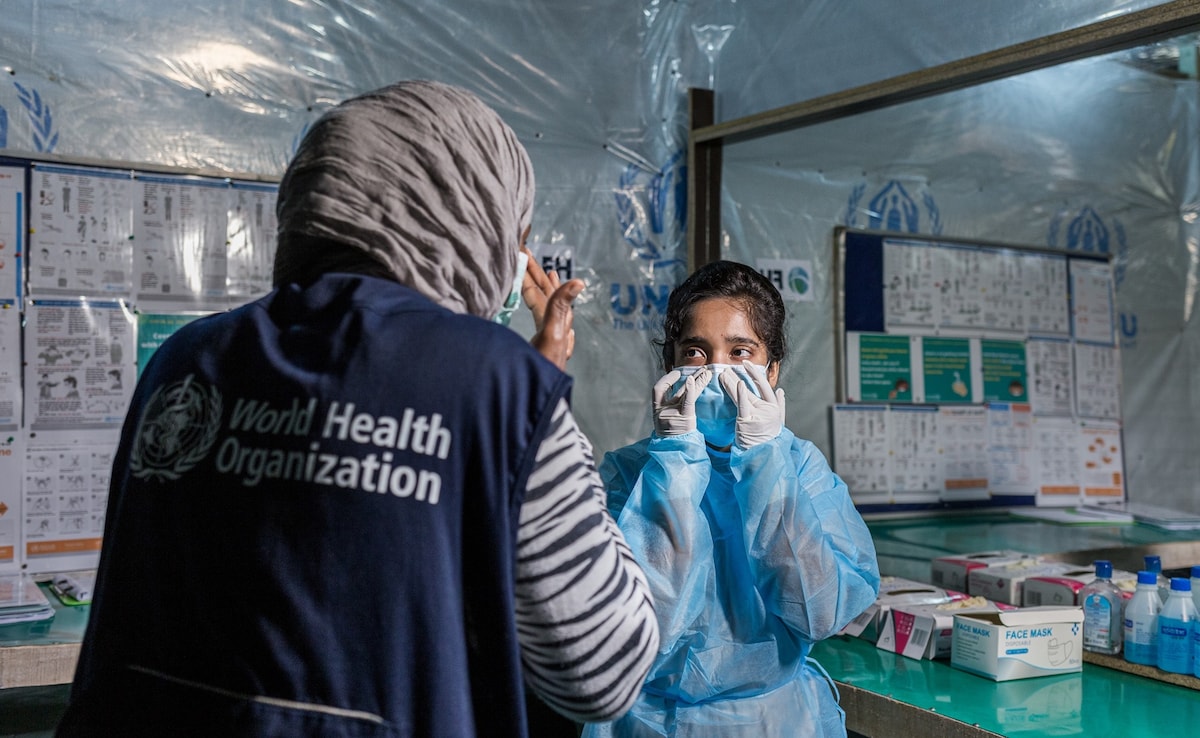
Organisations like WHO, UNICEF and more are grappling with collapsing healthcare systems in conflict zones
Photo Credit: World Health Organization
Health Systems and Support Gaps
Conflict severely strains healthcare systems, often collapsing infrastructure and reducing access to mental health services just when needs peak. In Gaza, mental health services are hampered by damaged facilities, shortages of trained professionals and societal stigma around seeking care, barriers noted in WHO and humanitarian reports.
Even when services exist, the scale of need far exceeds capacity. Many displaced families face repeated trauma and unresolved grief, which chronic stress models indicate can lead to long-term psychiatric conditions such as chronic PTSD, major depressive disorder and complex trauma syndromes.
Also Read: How Iran's Conflict With US And Israel Impacts Healthcare Systems And Public Health
Psychosocial Interventions and Recommendations
Both WHO and UNICEF advocate for integrated Mental Health and Psychosocial Support (MHPSS) frameworks in conflict response, stressing the need to embed these into humanitarian programmes, health systems and community services. These approaches combine psychological counselling, social support structures and risk reduction strategies to mitigate long-term harm.
Community-based support, resilience training and trauma-informed care models are key components in initiatives aimed at helping conflict-affected populations navigate distress and rebuild mental wellbeing. International guidelines emphasise culturally adapted and accessible interventions to cater to diverse needs in crisis settings.
Conflict zones like Iran, Ukraine and Gaza expose civilians to grave psychological risks that extend far beyond physical injury. Peer-reviewed studies consistently show elevated rates of PTSD, depression, anxiety and stress disorders among populations living amid war, with children and displaced individuals particularly affected. These mental health burdens are compounded by limited access to care and disrupted social support systems.
The evidence underscores that addressing mental health in conflict zones must be a humanitarian priority, integrating psychosocial support with broader relief efforts. Strengthening mental health services, expanding access to trauma care, and building community support networks can help alleviate the hidden wounds of conflict, ensuring that psychological recovery accompanies physical survival.
Disclaimer: This content, including advice, provides generic information only. It is in no way a substitute for a qualified medical opinion. Always consult a specialist or your own doctor for more information. NDTV does not claim responsibility for this information.