

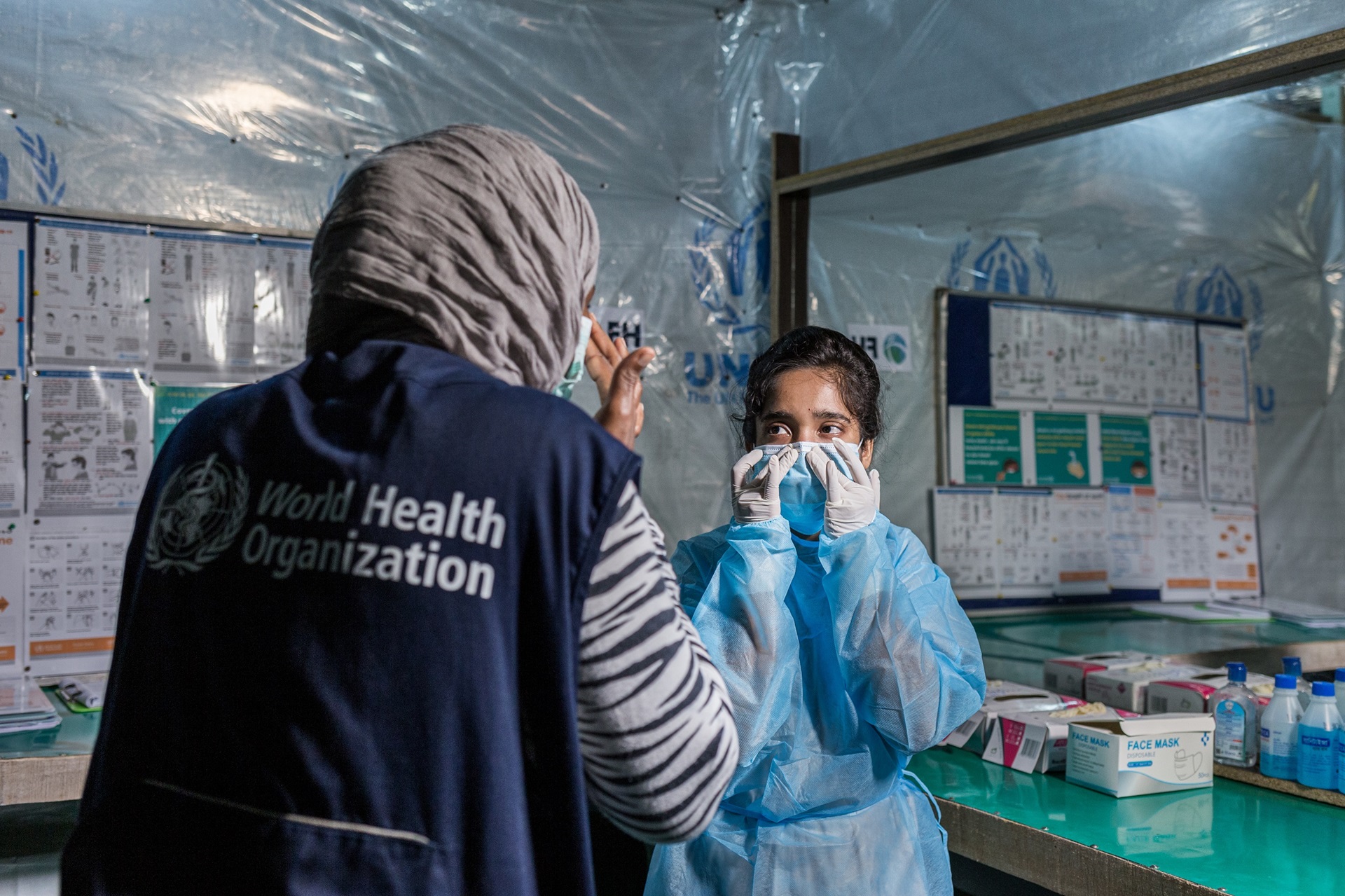
)
Amid the escalating Iran-US-Israel conflict, reports that Tehran's Gandhi Hospital was damaged during bombardment prompted a sharp response from World Health Organization (WHO). "Health is not a target," said WHO Director-General Tedros Adhanom Ghebreyesus, calling the reports "extremely worrying" and stressing that health facilities are protected under international humanitarian law. The incident, yet to be fully verified by WHO at the time of writing, highlights a grim reality. Hospitals, ambulances and health workers are increasingly caught in the crossfire of modern warfare. From air strikes and shelling to armed raids and looting, attacks on health care have become a defining feature of conflicts in the 21st century.
To systematically document and respond to such violations, WHO established the Surveillance of Attacks on Health Care (SSA) system. Created to collect, verify and analyse data on attacks against medical facilities, personnel and patients, the SSA has become a key global mechanism for tracking the heavy toll of conflicts on health systems, and for advocating accountability.
What Is WHO's Surveillance of Attacks on Health Care?
The Surveillance of Attacks on Health Care (SSA) is a global monitoring mechanism launched by WHO in 2017 following a World Health Assembly mandate to systematically record attacks on health care in emergencies. According to WHO, an "attack" includes violence against health facilities, transport (such as ambulances), health workers, patients, or obstruction of access to care.
The SSA collects data through multiple channels, including WHO country offices, partner organisations, ministries of health and open-source reporting. Each reported incident is verified through a structured methodology before being published in WHO's public dashboard.
The system serves three core purposes:
- Documentation and transparency
- Advocacy for protection of health services
- Informing humanitarian response planning
Also Read: "Health Is Not A Target": WHO Chief Flags 'Extremely Worrying' Reports Of Tehran Hospital Damage
The Scale Of The Problem: What The Data Shows
Since its inception, WHO's SSA has documented thousands of attacks across conflict-affected regions, including Syria, Ukraine, Afghanistan, Sudan, Ethiopia and Gaza.
In 2023 alone, WHO verified over 1,000 attacks on health care globally, the highest annual total since monitoring began. These attacks resulted in hundreds of deaths and injuries among health workers and patients, and widespread damage to facilities and medical supplies.
Research published in BMJ Global Health underscores the long-term impact of such violence. Attacks disrupt routine immunisation, maternal care and chronic disease treatment, leading to excess mortality long after bombs stop falling. WHO emphasises that even a single strike can paralyse an entire region's health system, especially in fragile settings where facilities are limited.
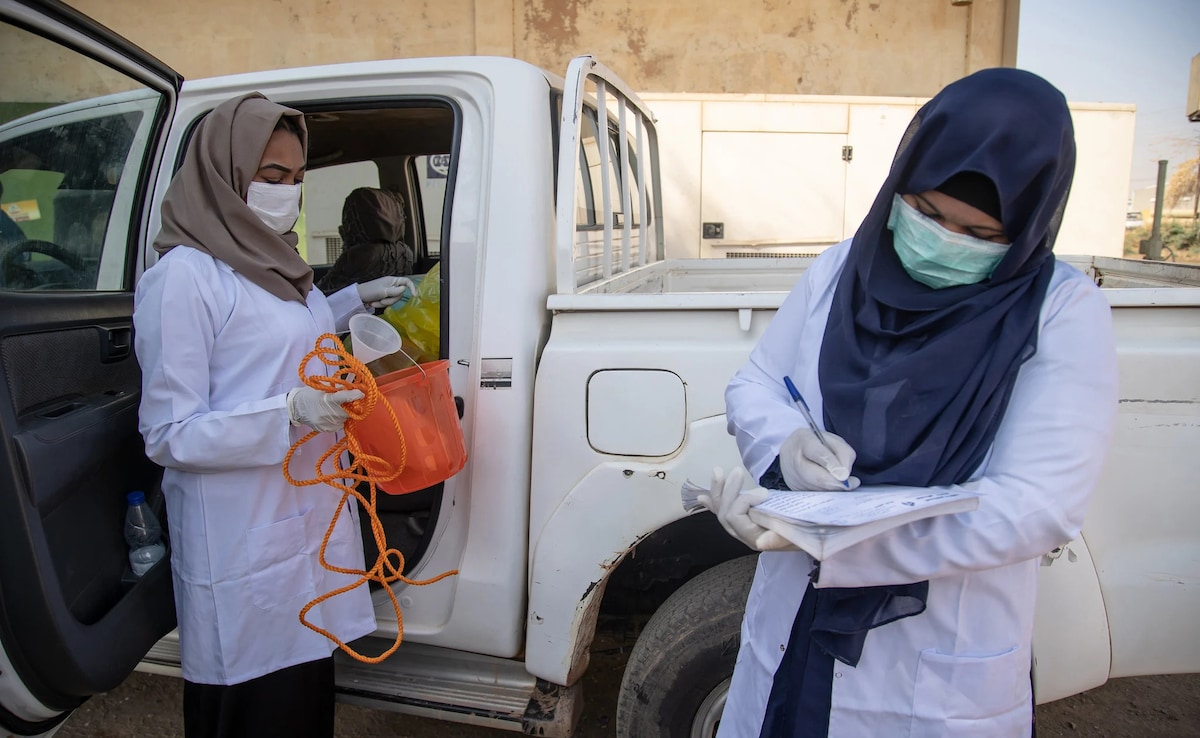
The WHO and its global healthcare partners support health systems in key areas like Sudan, Gaza, etc
Photo Credit: World Health Organization
A Historic Overview: From Geneva Conventions To Digital Surveillance
The protection of health care in war is not new. The International Committee of the Red Cross traces legal safeguards back to the Geneva Conventions of 1949, which classify hospitals and medical personnel as protected entities under international humanitarian law.
However, despite these protections, attacks have persisted, and in some contexts, increased. In response, WHO member states called for more systematic monitoring. The 2016 World Health Assembly resolution (WHA69.10) mandated WHO to strengthen data collection and reporting mechanisms on attacks on health care. The SSA emerged from this mandate, representing a shift from ad hoc documentation to a structured, global surveillance framework. It marked the first time a UN health agency took on the formal role of systematically verifying attacks in conflict zones.
Also Read: 20% Spike In Ukraine Health Crisis, Millions Impacted, Says WHO Report
Why Tracking Matters In Today's Conflicts
The reported damage to Gandhi Hospital in Tehran illustrates why real-time surveillance remains crucial. In rapidly evolving conflicts, such as the current Iran-US-Israel escalation, accurate verification can counter misinformation, support humanitarian corridors, and inform diplomatic interventions.
WHO's system does not assign blame but focuses on documentation. Verified data are used to:
- Advocate for ceasefires around health facilities
- Mobilise emergency medical supplies
- Inform UN Security Council briefings
- Guide reconstruction efforts
According to the United Nations Office for the Coordination of Humanitarian Affairs (OCHA), attacks on health care significantly reduce civilian access to life-saving services and increase indirect deaths due to untreated injuries and diseases. Moreover, research in The Lancet has shown that destruction of health infrastructure during conflicts contributes to maternal mortality spikes and vaccine-preventable disease outbreaks.
Also Read: How Iran's Conflict With US And Israel Impacts Healthcare Systems And Public Health
Current Challenges Facing The Surveillance System
Despite its importance, SSA faces multiple challenges:
- Verification barriers: Access restrictions in active war zones can delay or prevent independent confirmation.
- Underreporting: Health workers may fear retaliation if they report incidents.
- Digital misinformation: In the era of social media, distinguishing verified evidence from manipulated content is increasingly complex.
- Political sensitivities: Conflicts involving powerful states can complicate international consensus around accountability.
WHO acknowledges these challenges but maintains that systematic documentation is essential for global health security.
As tensions rise in West Asia and reports emerge of damage to hospitals in Tehran, the words of WHO Director-General Dr Tedros, "Health is not a target", resonate with renewed urgency. The Surveillance of Attacks on Health Care system stands as a crucial safeguard, ensuring that the destruction of hospitals and harm to medical workers do not go unrecorded. By combining historical legal protections with modern verification tools, WHO's surveillance framework transforms individual tragedies into documented evidence, evidence that can drive humanitarian response, diplomatic pressure and, ultimately, accountability.
Disclaimer: This content, including advice, provides generic information only. It is in no way a substitute for a qualified medical opinion. Always consult a specialist or your own doctor for more information. NDTV does not claim responsibility for this information.