

)
Ukraine's health system is under intensifying strain as the war enters another year, with a new report from the World Health Organization (WHO) documenting a 20% increase in attacks on health care in 2025 compared to the previous year. Since the escalation of the conflict in February 2022, WHO has verified nearly 2,900 attacks on health facilities, health workers, ambulances and medical warehouses across the country, the highest cumulative number recorded in any humanitarian emergency globally in recent years. Behind these numbers lies a worsening public health crisis.
Millions of Ukrainians are struggling to access essential services, from emergency surgeries and maternal care to chronic disease treatment and mental health support. In frontline regions, access gaps are especially severe, with WHO surveys showing significantly poorer self-reported health among residents living close to conflict zones. As health facilities are damaged or forced to shut down, the ripple effects extend far beyond immediate casualties, affecting vaccination drives, noncommunicable disease care and psychological well-being.
The report underscores an urgent reality: Protecting health infrastructure during conflict is not just a humanitarian obligation, it is central to safeguarding civilian survival and long-term public health.
What The 20% Spike Means For Public Health
According to WHO's Surveillance of Attacks on Health Care (SSA) system, the 20% rise in 2025 reflects sustained damage to clinics, hospitals, ambulances and supply depots. Healthcare disruptions compromise emergency trauma care for war injuries but also interrupt routine services such as dialysis, cancer therapy, insulin supply and antenatal check-ups.
WHO data indicate that 59% of people in frontline areas report their health as poor or very poor, compared to 47% in non-frontline regions. Mental health concerns are also surging, with a majority of surveyed individuals reporting symptoms of anxiety or depression over the past year. Yet, only a fraction have been able to access formal mental health support, a gap that international agencies warn could have long-term consequences.
Conflict settings are known to increase the burden of noncommunicable diseases (NCDs) due to stress, medication shortages and interrupted follow-ups. According to WHO's broader guidance on health in emergencies, breakdowns in primary care often lead to spikes in preventable deaths from heart disease, diabetes and respiratory illnesses, conditions that require steady, uninterrupted management.
Power, Winter And Systemic Strain
Beyond direct damage to hospitals, repeated strikes on energy infrastructure have compounded the crisis. Hospitals rely on uninterrupted electricity for ventilators, operating theatres, laboratory testing and vaccine refrigeration. During winter months, disruptions in heating systems expose vulnerable patients, including newborns and the elderly, to additional risks.
WHO and humanitarian partners have provided generators and emergency medical kits across multiple regions to stabilise services. However, the agency notes that needs continue to outpace available resources, particularly in hard-to-reach frontline areas.
The Human Toll On Health Workers
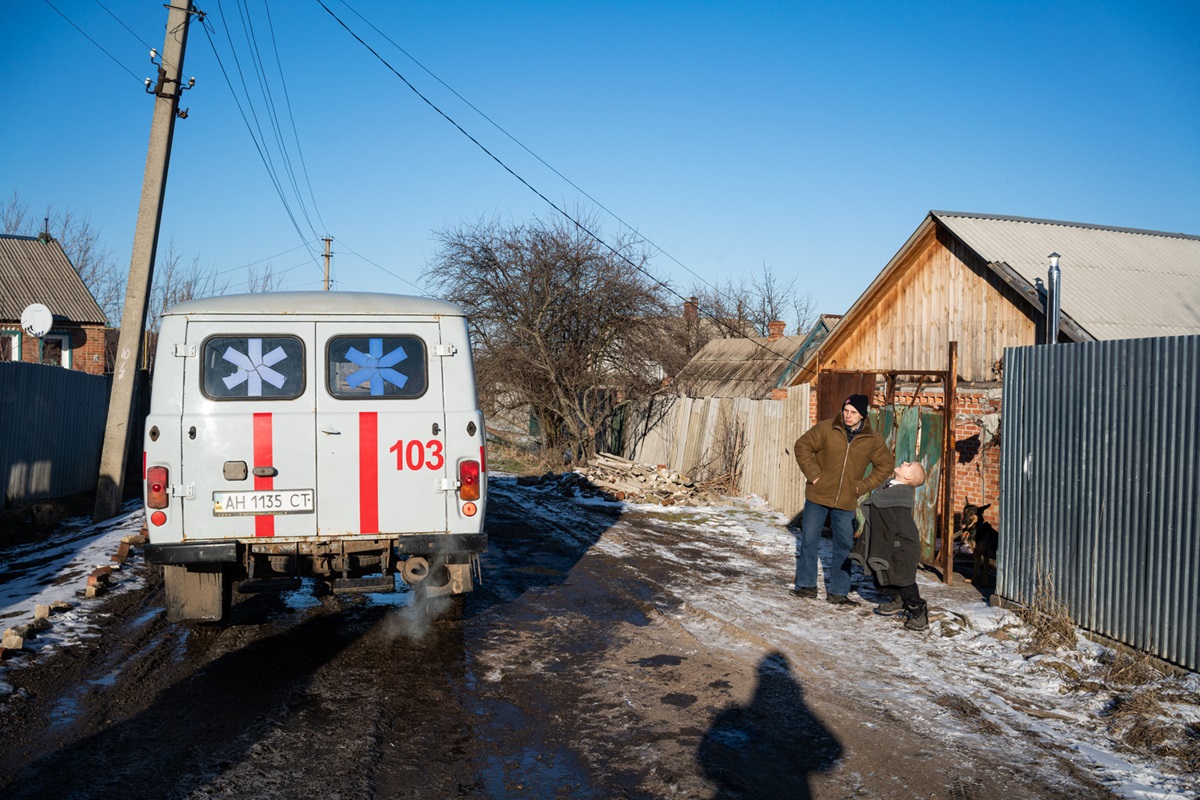
Health-care workers in Ukraine continue to operate under extraordinary risk. Ambulances have been damaged, medical warehouses targeted, and staff forced to work in high-threat environments. International humanitarian law, including protections outlined in the Geneva Conventions, explicitly safeguards medical personnel and infrastructure during armed conflict. Yet repeated incidents highlight ongoing vulnerabilities.
WHO Director-General Dr Tedros Adhanom Ghebreyesus has reiterated that attacks on healthcare deprive civilians of lifesaving services and undermine global norms meant to protect medical neutrality.
India's Support For Ukraine's People
India has extended humanitarian assistance to Ukraine since the start of the conflict. According to official statements from the Ministry of External Affairs, India has supplied multiple consignments of relief materials, including medicines, medical equipment, blankets and essential supplies, delivered through humanitarian corridors and in coordination with international partners.
Indian pharmaceutical manufacturers have also played a role in ensuring the availability of affordable generic medicines in global humanitarian supply chains, indirectly supporting health-care continuity in crisis-affected regions. Additionally, India has supported diplomatic calls for dialogue and the protection of civilians, emphasising adherence to international law.
While India is not directly involved in the conflict, its humanitarian outreach reflects a broader global effort to mitigate the health fallout of war through medical aid and essential supplies.
Why Protecting Health Care Matters Globally
The Ukraine crisis illustrates a broader global concern: attacks on health care are rising in conflict zones worldwide. WHO has repeatedly stressed that safeguarding hospitals, health workers and supply chains is fundamental to preventing secondary public health disasters.
When vaccination campaigns stall, when tuberculosis treatment is interrupted, or when maternal care collapses, the consequences can extend for years. Public health experts warn that rebuilding damaged systems takes far longer than repairing physical infrastructure, it requires restoring trust, workforce capacity and reliable supply chains.
The reported 20% spike in Ukraine's health-care crisis in 2025 signals more than escalating hostilities. It highlights the deepening vulnerability of millions who rely on functioning hospitals and clinics for survival. With nearly 2,900 documented incidents since 2022, the cumulative strain on Ukraine's health system is profound. International humanitarian support, including contributions from countries such as India, remains critical. Protecting health care during conflict is not just a moral imperative, it is essential for preserving lives, maintaining public health stability and preventing long-term generational harm.
Disclaimer: This content including advice provides generic information only. It is in no way a substitute for a qualified medical opinion. Always consult a specialist or your own doctor for more information. NDTV does not claim responsibility for this information.