

The first few weeks after a stroke can be a crucial period in a patient's recovery. While emergency treatment focuses on restoring blood flow to the brain or limiting further damage, rehabilitation helps survivors regain abilities affected by the stroke, including speech, movement, coordination and everyday functioning. Recovery, however, looks different for every patient. It depends on the part of the brain affected, the severity of the stroke, the treatment received and the person's overall health. Early, structured rehabilitation can help patients work towards regaining independence, although progress may continue for months or longer. Dr Jaideep Bansal, Principal Director and Head of Neurology at Fortis Hospital, Shalimar Bagh, highlights three important areas that need attention during the early stages of stroke rehabilitation: speech, motor movement and psychological support. According to the neurologist, the first 30 days offer an important opportunity to begin rehabilitation and support the brain's ability to adapt. However, recovery is not limited to this period, and rehabilitation should be tailored to each patient's condition and tolerance.
1. Speech Recovery: Rebuilding Communication After A Stroke
A stroke can affect the brain regions responsible for language, making it difficult for a person to speak, understand words, read or write. Some survivors know what they want to communicate but struggle to find the right words, while others may have difficulty understanding what people are saying. These problems can be distressing for both patients and their families. Speech and language therapy can help survivors work on communication through exercises tailored to their specific difficulties.
Dr Bansal emphasises the importance of early speech rehabilitation, including activities such as naming familiar objects, repeating words and following simple commands when appropriate. Therapists may also recommend gestures, writing boards or communication apps to help patients express their needs. Family members can play an important role in making communication easier. Speaking slowly, using simple sentences, allowing sufficient time for a response and avoiding interruptions can help reduce frustration. It is equally important not to assume that a patient who struggles to speak cannot understand what is being said. Communication difficulties vary, and a speech and language therapist can help determine the most appropriate strategies. Even small improvements, such as communicating a need or responding to a question, can make everyday interactions easier and help patients participate more actively in rehabilitation.
2. Motor Movement And Coordination: Relearning Everyday Tasks
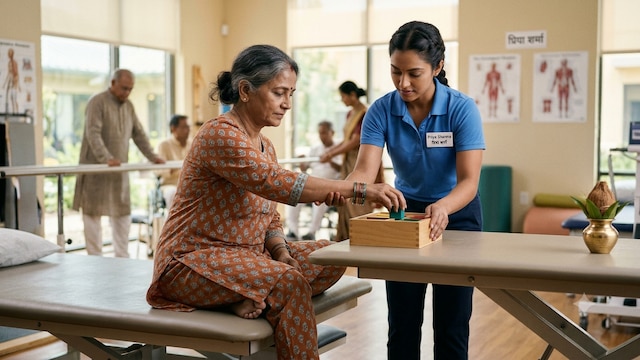
Stroke-related weakness can affect walking, balance, hand movements and coordination. Depending on the location and extent of the brain injury, some patients may struggle to stand up, hold a cup, eat independently or perform routine activities. Rehabilitation aims to help survivors practise these movements safely and progressively. Physiotherapy may include sitting and standing exercises, weight shifting, balance training, walking practice and movements that support coordination. Dr Bansal stresses the importance of task-specific, repetitive practice rather than focusing only on muscle strength. Occupational therapy can also help patients relearn everyday activities, such as dressing, buttoning clothes, eating and maintaining personal hygiene.
The timing and intensity of mobilisation must be determined by the treating team. Although appropriate movement and rehabilitation may begin early once a patient is medically stable, not every patient should start mobilisation at the same time or with the same intensity. Very early, intensive mobilisation is not suitable for everyone, particularly those with severe strokes or medical instability.
A physiotherapist can assess the patient's strength, balance and risk of falling before recommending exercises. Caregivers should avoid forcing movements or attempting to make patients walk without the necessary support.
Rehabilitation may also help address complications associated with immobility, including joint stiffness, pain and reduced functional ability. The treatment plan should be reviewed regularly as the patient's needs change.
3. Psychological Support: An Important Part Of Stroke Rehabilitation
"The effects of a stroke extend beyond physical disability. Survivors may experience grief, anxiety, frustration, changes in confidence or depression as they adjust to changes in their abilities and independence. Post-stroke depression is an important concern and can interfere with motivation, participation in rehabilitation and overall quality of life. Emotional changes may also arise from the brain injury itself, rather than being simply a reaction to disability," says Dr Bansal.
Dr Bansal emphasises the importance of recognising emotional distress during recovery. Family members and caregivers should look out for persistent sadness, withdrawal from social interaction, loss of interest, changes in sleep or appetite, and difficulty engaging with daily activities. Maintaining a predictable routine and setting small, achievable goals can make rehabilitation feel more manageable. Patients should be encouraged without being pressured to make progress faster than their condition allows. Family involvement can provide emotional reassurance and help patients follow their rehabilitation plan. However, caregivers also need support, rest and guidance. Taking responsibility for a loved one's recovery can be physically and emotionally demanding, particularly when progress is gradual.
If a survivor shows signs of persistent depression, anxiety or significant emotional distress, the treating team should be informed. A mental health professional can assess the symptoms and recommend appropriate support or treatment.
Why The First Month Matters After A Stroke
The first month is an important period for beginning rehabilitation, identifying complications and establishing a care plan. The brain can adapt after an injury through neuroplasticity, a process in which neural networks change and reorganise as a person learns or practises skills. Repetitive, task-specific rehabilitation can help survivors work towards improving communication, movement and daily functioning. However, the extent and pace of recovery vary considerably, and there is no fixed 30-day window after which improvement becomes impossible. Some patients make noticeable progress in the initial weeks, while others require months of therapy. Continued rehabilitation, regular medical reviews and adjustments to the care plan remain important beyond the first month.
Families should also understand that recovery is rarely a straight line. Progress may fluctuate, and patients may need additional support as they work towards greater independence.
Stroke recovery requires more than treating the initial brain injury. Speech and language therapy, physiotherapy, occupational therapy and psychological support can all contribute to rehabilitation, depending on the patient's needs. Dr Jaideep Bansal underscores the importance of addressing communication, movement and emotional well-being during the early stages of recovery. The first 30 days can provide an important foundation, but rehabilitation should continue for as long as it offers meaningful benefits.
Any new or sudden stroke symptoms require immediate emergency medical attention. Rehabilitation should begin only under the guidance of the treating team, with exercises and activities tailored to the patient's medical stability and abilities.
Disclaimer: This content including advice provides generic information only. It is in no way a substitute for a qualified medical opinion. Always consult a specialist or your own doctor for more information. NDTV does not claim responsibility for this information.