

)
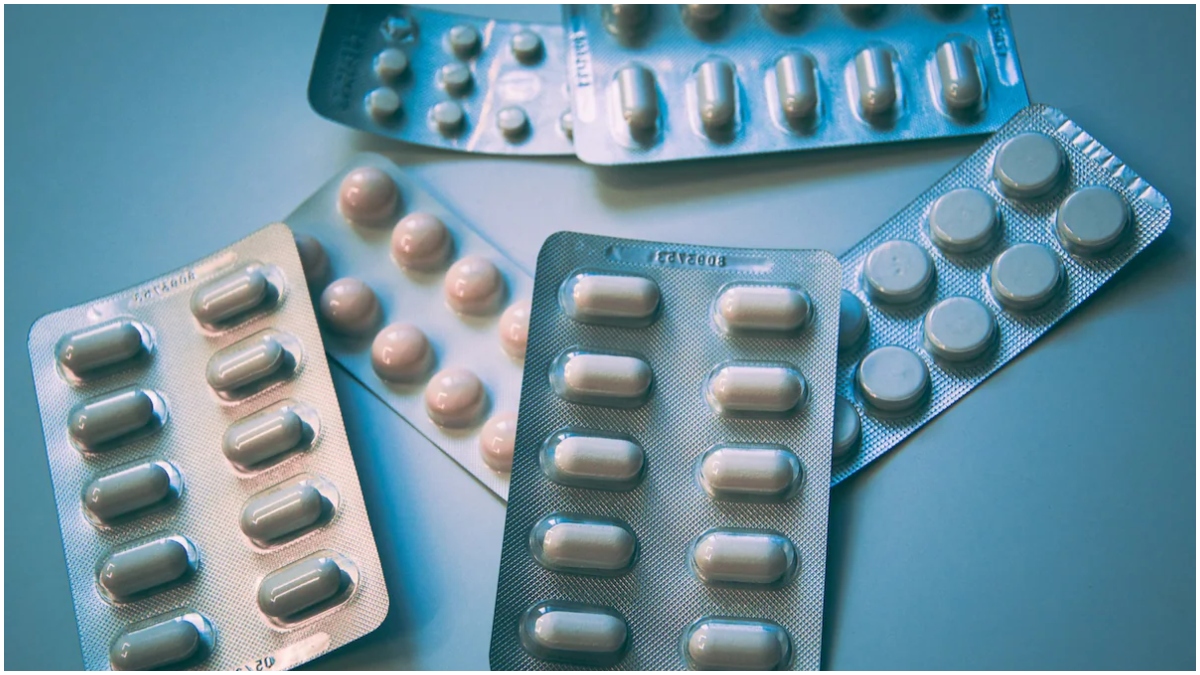
Steroids are a class of medicines that mimics natural hormones. Corticosteroids are beneficial for inflammatory conditions like asthma and arthritis as they suppress immune activity. On the other hand, anabolic-androgenic steroids (AAS) help in muscle growth and are medically used for hormone deficiencies or muscle-wasting diseases. Steroids are usually prescribed to reduce severe inflammation, suppress overactive immune systems, or replace hormones the body cannot produce. However, there has been a rise in steroid overuse. And this can pose serious health risks.
When there's overuse of steroids, its impact is more than just muscle gains or quick relief from inflammation. These synthetic hormones disrupt the body's hormonal balance, increasing risk of fungal infections, cardiovascular disease, glaucoma and more. Here, take a look at the dangerous side effects of steroid overuse.
Dangerous Side Effects Of Steroid Overuse
1. Cardiovascular Damage
Excessive steroid use affects the heart and blood vessels in ways that mimics accelerated ageing. High doses increase blood pressure by causing fluid retention and stiffening arteries, forcing the heart to pump harder over time. This chronic strain can lead to left ventricular hypertrophy, where the heart muscle thickens abnormally. This reduces its efficiency and raises the risks of heart failure. Steroid overuse also impacts cholesterol profiles, good cholesterol drops while bad cholesterol increases. This leads to plaque buildup in arteries, causing atherosclerosis.
2. Endocrine Disruption
Steroids cause heavy damage to the hormonal system, mimicking and overriding natural testosterone or cortisol production. In men, the body senses excess hormones and shuts down its own factories, leading to testicular atrophy, shrunken organs that struggle to rebound. This leads to infertility, low sperm counts, and erectile dysfunction, often persisting for months or years. Women develop masculine traits like deepened voices, excessive body hair (hirsutism), and clitoral enlargement, changes that are largely permanent. Menstrual cycles go haywire, causing irregular periods or amenorrhoea.
3. Fungal Infection Risk
Another serious side effect is fungal infection. Steroids affect the immune response that normally fights fungi. Corticosteroids, which are used on skin ailments, suppress inflammation. However, it also impacts white blood cell activity, letting ringworm flourish. What might start as a minor itch leads to widespread, resistant infections covering limbs, torso, or even nails.
4. Bone and Muscle Weakness
Steroid overload also impacts your bones and muscles. Corticosteroids interfere with osteoblast activity, which are cells that form new bone, while ramping up osteoclasts that break it down. This paves the way for osteoporosis. Calcium absorption and vitamin D metabolism are affected, doubling fracture risk in the spine, hips, or wrists.
5. Glaucoma
Steroid overuse raises glaucoma risk by spiking intraocular pressure (IOP), which can potentially cause irreversible optic nerve damage and vision loss. Dr J.S. Titiyal, Regional Head, Dr Agarwals Eye Hospital, New Delhi, said, "Steroid-induced glaucoma is increasingly being seen in routine clinical practice, especially among patients who have used steroid medications or eye drops without medical supervision. What makes this dangerous is that patients feel symptom-free initially, while eye pressure continues to rise silently, causing permanent damage." Discontinuing steroids may normalise IOP, but repeated use increases risk of permanent blindness.
6. Mental Health Decline
Steroid use alters neurotransmitters, leading to explosive aggression, paranoia, and irritability. This can indirectly impact relationships and careers. Mania or hypomania mimics bipolar swings, with racing thoughts and poor judgment. Post-cycle crashes can lead to depression, anxiety, insomnia, and even suicidal thoughts.
Disclaimer: This content including advice provides generic information only. It is in no way a substitute for a qualified medical opinion. Always consult a specialist or your own doctor for more information. NDTV does not claim responsibility for this information.