

)
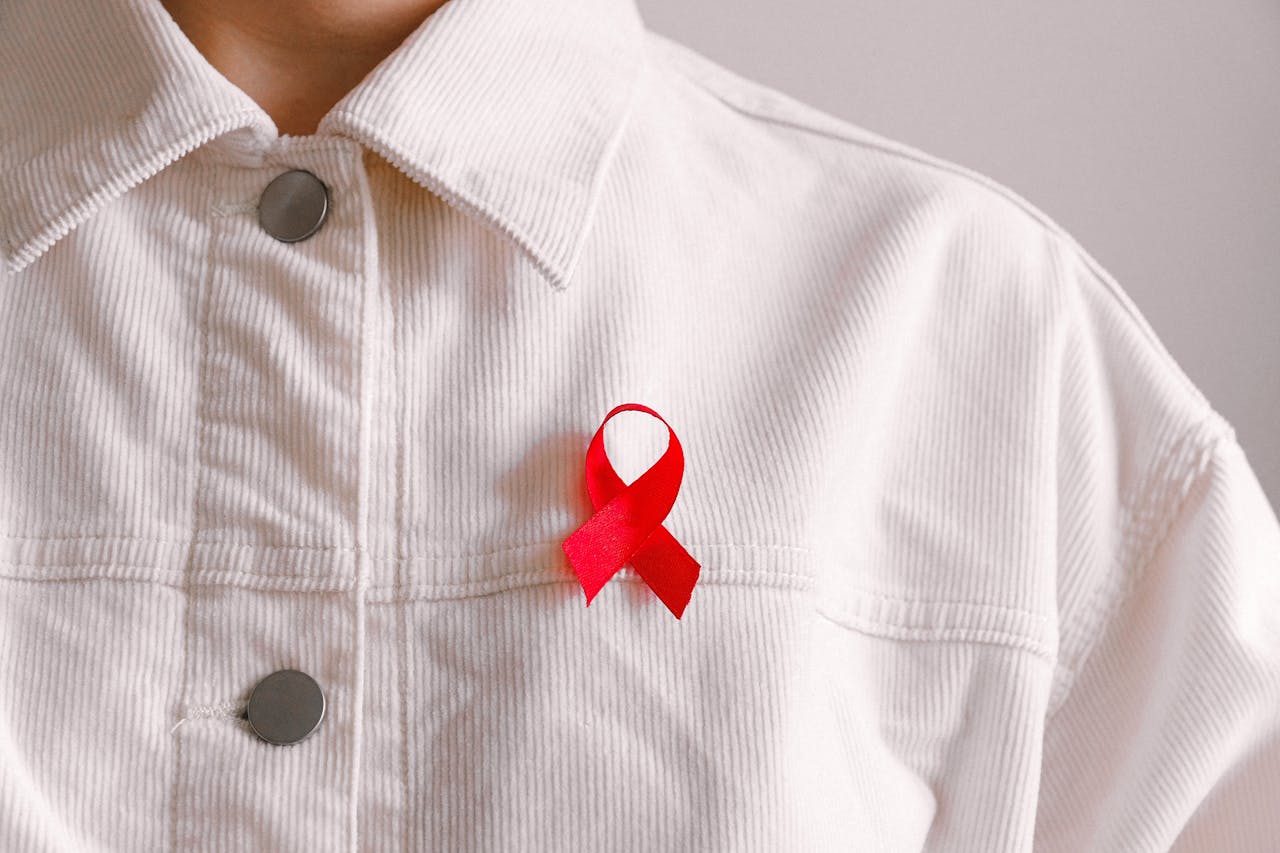
Every year on December 1, World AIDS Day reminds us that HIV remains a global challenge, and in 2025 the theme is "Overcoming disruption, transforming the AIDS response." Early diagnosis and treatment are central to that transformation. The earlier HIV is recognised and treated, the better the outcomes: antiretroviral therapy (ART) keeps people healthy, cuts the chance of onward transmission to almost zero, and prevents progression to AIDS. Yet many people miss the earliest warning signs because they are mild and resemble common illnesses. Globally, about 40.8 million people were living with HIV at the end of 2024, with 1.3 million new infections in 2024, a reminder that prevention and early detection still matter.
In India, solid progress has been made. The 2023 HIV estimates show an adult prevalence around 0.2% and drug-based prevention and treatment programmes continue to expand. Still, gaps remain in testing, timely diagnosis and uninterrupted services, problems that World AIDS Day 2025 asks us to fix. Union Health Minister JP Nadda, on the occasion of World AIDS Day 2025, has also highlighted why taking preventive measures and appropriate screening matters most for Indians.
"World AIDS Day reminds us of the importance of understanding HIV/AIDS, taking preventive measures, and encouraging early testing. It is also an opportunity to show solidarity with those infected and affected by HIV, while dispelling myths about HIV transmission, such as misconceptions regarding how the virus is spread," the Health Minister shared in a post on social media platform X. "As a society, we must raise awareness, combat the stigma and discrimination associated with HIV/AIDS, and ensure equal access to healthcare for all. Together, let's work toward a healthier, more inclusive future," he added.
Recognising early symptoms and seeking prompt testing can change lives. Here's a clear, science-backed guide to the early warning signs of HIV infection, what they mean, and what to do if you suspect exposure.
What Happens Right After Infection: The Acute Phase
When a person is first infected, the virus multiplies rapidly. Within 2-4 weeks many people develop a short illness called acute HIV infection or seroconversion illness. These symptoms are caused by the immune system reacting to the virus, not by the later immune damage that leads to AIDS. Importantly, this early period is when HIV is most infectious, so prompt detection matters for both the individual and the community.
Common Early Warning Signs Of HIV Infection
The early symptoms are nonspecific and can easily be mistaken for a bad cold, influenza or other viral infections. According to clinical reviews, the most frequently reported early symptoms include:
- Fever, often high and accompanied by chills.
- Fatigue and weakness, or extreme tiredness not explained by other causes.
- Muscle and joint pains, or body aches similar to flu.
- Sore throat and swollen lymph nodes like tender glands in the neck, armpits or groin.
- Skin rash, typically a red, spotty rash on the trunk.
- Headache, nausea, or diarrhoea, and gastrointestinal or neurological discomfort in some people.
Around 90% of people experience at least one symptom in the first month, but symptoms usually subside after a few weeks even without treatment, which is why many don't connect them to HIV.
Why Early Recognition And Testing Matters
Detecting HIV during the acute phase enables rapid linkage to care. Modern antiretroviral therapy can:
- Suppress viral load to undetectable levels (preventing transmission),
- Preserve the immune system, and
- Reduce long-term health complications.
UNAIDS and WHO data show that expanding testing and treatment has cut HIV deaths and new infections dramatically over the last decade, but progress is fragile, especially where services were disrupted. Early testing after a suspected exposure is both a medical and a public-health priority.
How To Respond If You Suspect Exposure Or Symptoms
- Get tested promptly. If you had a possible exposure (unprotected sex, shared needles, occupational splash), see a clinic for an HIV test. Modern tests detect infection earlier than older ones; a nucleic acid test (NAT) or 4th-generation antigen/antibody tests shorten the window period.
- Consider post-exposure prophylaxis (PEP). If presented within 72 hours of a high-risk exposure, PEP can prevent infection. Seek urgent care.
- If symptoms appear, tell the clinician about recent exposures. This guides the choice of tests.
- Link to care immediately if positive. Starting ART as soon as possible improves outcomes and reduces transmission risk to virtually zero. India's national programme provides free ART through government centres; NACO's guidance and local ART centres are the entry points.
Special Groups And Testing Priorities
Young people, key populations (sex workers, men who have sex with men, people who inject drugs), pregnant women, and partners of people living with HIV should be prioritised for regular testing and rapid linkage to care. For pregnant women, early diagnosis prevents mother-to-child transmission, a public-health success when implemented widely.
On World AIDS Day 2025, themed "Overcoming disruption, transforming the AIDS response", the message is clear: early detection saves lives and stops onward spread. If you experience flu-like symptoms after a possible exposure, don't wait and don't guess, just get tested for HIV infection. Treatment today is highly effective, accessible and lifesaving. Recognising the early signs, knowing where to get tested, and starting ART quickly transform an urgent medical scare into manageable care.
[With inputs from IANS]
Disclaimer: This content including advice provides generic information only. It is in no way a substitute for a qualified medical opinion. Always consult a specialist or your own doctor for more information. NDTV does not claim responsibility for this information.