

)
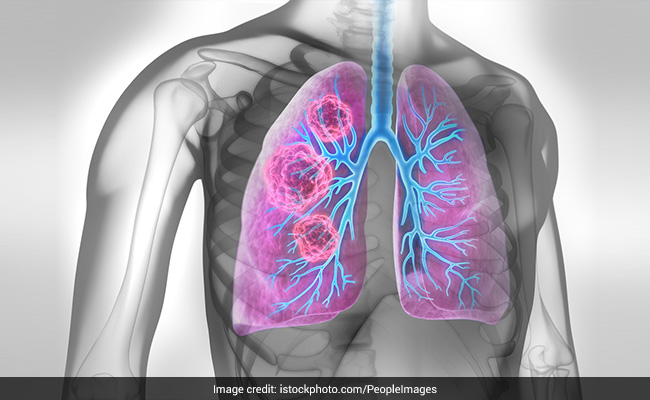
COVID-19 is known to have several long-term health impacts. This includes extreme fatigue, brain fog, respiratory issues and cardiac issues, among others. A recent study has found that severe cases COVID-19 or influenza can leave lasting changes in the lungs that increase the risk of lung cancer years later. The study was conducted by researchers from the University of Virginia Health System and published in the journal Cell. Scientists have found how these infections 'reprogram' immune cells, creating a chronic inflammatory environment that helps in tumour growth.
The researchers, led by UVA School of Medicine scientist Jie Sun, PhD, recommend that doctors closely watch patients who recover from severe COVID, flu, or pneumonia so lung cancer can be detected early, when treatment is most effective. The World Health Organization (WHO) says that lung cancer is the leading cause of cancer-related deaths worldwide, accounting for the highest mortality rates among both men and women. WHO also says that lung cancer is often diagnosed at advanced stages when treatment options are limited. "Screening high risk individuals has the potential to allow early detection and to dramatically improve survival rates."
Sun, co-director of UVA's Carter Center and a member of UVA's Division of Infectious Diseases and International Health, said, "A bad case of COVID or flu can leave the lungs in a long-lasting 'inflamed' state that makes it easier for cancer to take hold later. The encouraging news is that vaccination largely prevents those harmful changes for cancer growth in the lung."
Study Findings
In mouse experiments, animals recovering from severe lung infections showed dramatically higher rates of lung cancer development and poorer survival outcomes. Human data shows similar results; patients hospitalised for COVID-19 faced a 1.24-fold increased incidence of lung cancer diagnoses, independent of smoking history or comorbidities. However, mild infections did not increase the risk and even correlated with a slight protective effect.
These results challenge prior assumptions about the long-term impacts of respiratory infections. Researchers observed that severe viral pneumonia epigenetically remodels lung tissue, fostering a "pro-tumour" microenvironment. This persists for months or years, accelerating tumour progression in models like lung adenocarcinoma.
Jeffrey Sturek, MD, PhD, a UVA physician-scientist who collaborated on the study, said, "These findings have important immediate implications for how we monitor patients after severe respiratory viral infection. We've known for a long time that things like smoking increase the risk for lung cancer. The results from this study suggest that we may need to think about severe respiratory viral infection similarly. For example, in some patients who are at high risk for lung cancer based on smoking history, we recommend close monitoring with routine screening CT scans of the lungs to catch cancer early. In future studies, we may want to consider a similar approach after severe respiratory viral infection."
Biological Mechanisms
Severe infections impact important immune cells; neutrophils and macrophages shift to dysfunctional states post-recovery. Neutrophils, in particular, accumulate as tumour-associated variants that suppress anti-cancer immunity and promote inflammation. Epithelial cells lining the alveoli and airways also undergo alterations, which impairs normal repair and increases mutation susceptibility. This chronic 'inflamed' state mimics known cancer-causing factors like smoking, but this stems from immune scarring rather than direct toxins.
Vaccination To Prevent Lung Changes
The study also found vaccination to be a shield. Prior vaccination appeared to block many of the lung changes linked to cancer development. Vaccines help the immune system respond more effectively to infections, which reduces how severe the illness becomes.
The researchers, in their paper, wrote, "With tens of millions of people globally experiencing long-term pulmonary [COVID-19] sequelae, these findings carry significant implications for clinical care. Individuals recovering from severe viral pneumonia, particularly those with smoking history, may benefit from enhanced lung cancer surveillance, and preventing severe infection through vaccination may confer indirect cancer protection benefits."
Sun said, "Our goal is to help doctors identify who may be at higher risk of lung cancer after a severe infection, and develop targeted ways to prevent and treat lung cancer after prior pneumonia. We also believe that vaccines don't just prevent acute hospitalization after contracting the virus. They may also reduce the long-term fallout of severe infection, including the kind of immune scarring that can increase cancer risk."
Disclaimer: This content including advice provides generic information only. It is in no way a substitute for a qualified medical opinion. Always consult a specialist or your own doctor for more information. NDTV does not claim responsibility for this information.