

)
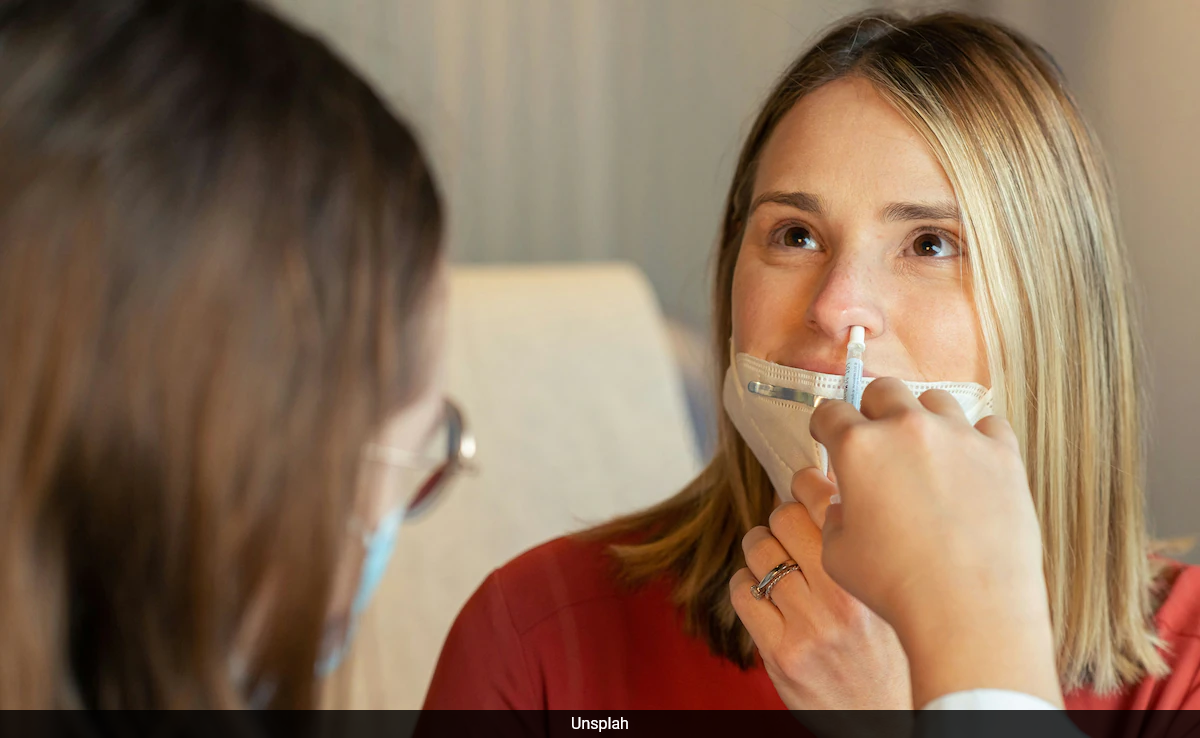
Researchers at Stanford University have developed a vaccine formula that protects against a wide range of respiratory viruses, bacteria and even allergens. The study, published in the journal Science, says that a single nasal spray vaccine can provide protection against coughs, colds and flus, as well as bacterial lung infections. Researchers showed that the mice were protected against SARS-CoV-2 and other coronaviruses, Staphylococcus aureus and Acinetobacter baumannii, and house dust mites. Bali Pulendran, PhD, the Violetta L. Horton Professor II and a professor of microbiology and immunology who is the study's senior author said that the new vaccine has worked for a remarkably wide spectrum of respiratory threats the researchers have tested. The vaccine has been tested in animals and it awaits human clinical trials.
Speaking to BBC, Prof. Pulendran said, "This vaccine, what we term a universal vaccine, elicits a far broader response that is protective against not just the flu virus, not just the Covid virus, not just the common cold virus, but against virtually all viruses, and as many different bacteria as we've tested, and even allergens.
"The principle by which this vaccine works is a radical departure from the principle by which all vaccines have worked so far."
What Is Different In The New Vaccine?
Traditional vaccines train the body to fight one specific infection, like measles or chickenpox, offering targeted protection only against those threats. However, in the new approach, the vaccine doesn't train the immune system but mimics how immune cells communicate with each other.
It is delivered as a nasal spray and it activates white blood cells in the lungs. The vaccine puts them on "amber alert" and ready to combat any invading infection.
Study Findings
In animal experiments, this heightened readiness lasted about three months. It prevented viruses from entering the body through the lungs. For any that slipped through, the rest of the immune system stood "poised, ready to fend off these in warp speed time" said Prof. Pulendran.
The vaccine also shielded against two bacterial species, Staphylococcus aureus and Acinetobacter baumannii. It steered the immune response in a way that reduced reactions to house dust mite allergens, which is a common asthma trigger.
However, there are still many challenges. While tested as a nasal spray, it might require a nebuliser for deeper human lung penetration. It's unclear if the effect holds in people, how long "amber alert" would persist, or how human immune systems compare to mice.
Human Trials Of The New Vaccine
Researchers plan human trials by deliberately infecting vaccinated volunteers to test efficacy. Boosting immunity beyond normal levels could risk disorders, so the team intends to do this as a complement to existing vaccines, and not as a replacement.
In early pandemic stages, like 2020's COVID outbreak, a universal vaccine could buy critical time and save lives until targeted ones arrive. Pulendran said, "That would reduce mortality, disease severity, and perhaps build up a level of immune resilience that would have a huge impact."
Alternatively, during the start of winter when bugs start to spread, "one could imagine a seasonal spray that could be administered to imprint broad immunity" against them all.
What Does This Mean For Indians?
A huge number of Indians suffer from respiratory diseases. Air pollution exacerbates colds, flus, bacterial pneumonia, and allergies. Along with this, house dust mites, too trigger asthma, especially during humid monsoons and polluted winters. The new vaccine could change this and provide broad protection against viruses like SARS-CoV-2 and coronaviruses, bacteria and even allergens.
For Indians, this could mean fewer visits to the doctor due to seasonal coughs and colds. During pandemics, this vaccine could buy vital time, reducing mortality and building resilience in vulnerable groups like the elderly and children. Also, a seasonal spray before Diwali smog or flu season can help prevent asthma flares. While human trials are needed to understand long-term risks like immune overdrive, the new vaccine can be a preventive step.
Disclaimer: This content including advice provides generic information only. It is in no way a substitute for a qualified medical opinion. Always consult a specialist or your own doctor for more information. NDTV does not claim responsibility for this information.