

)
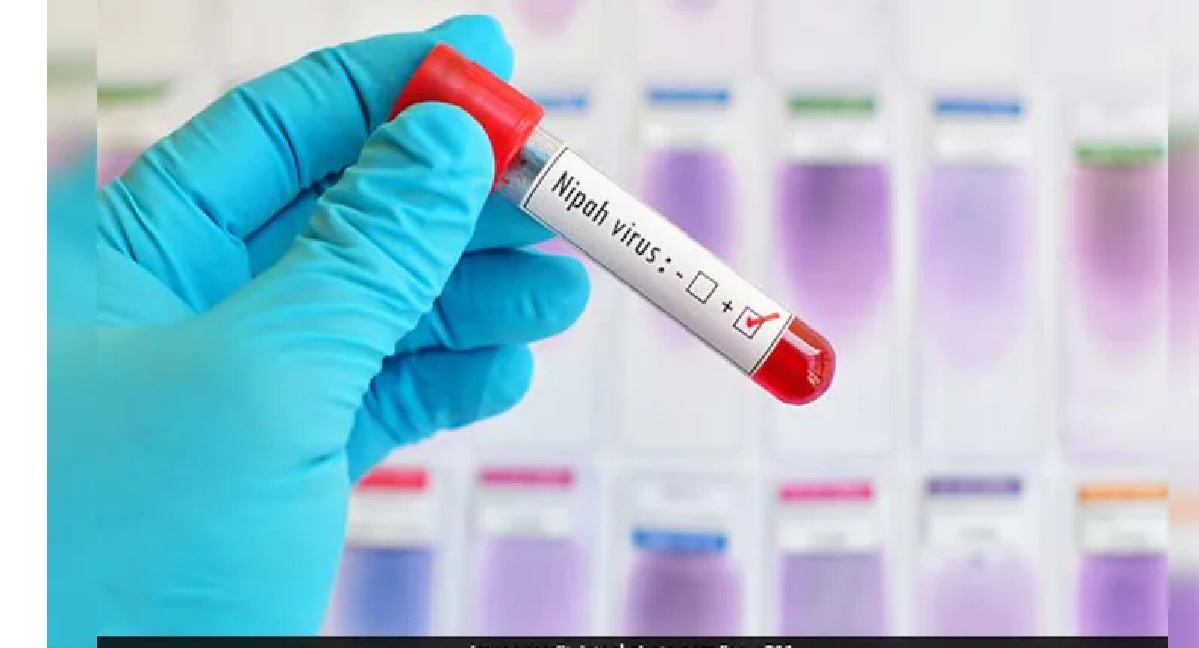
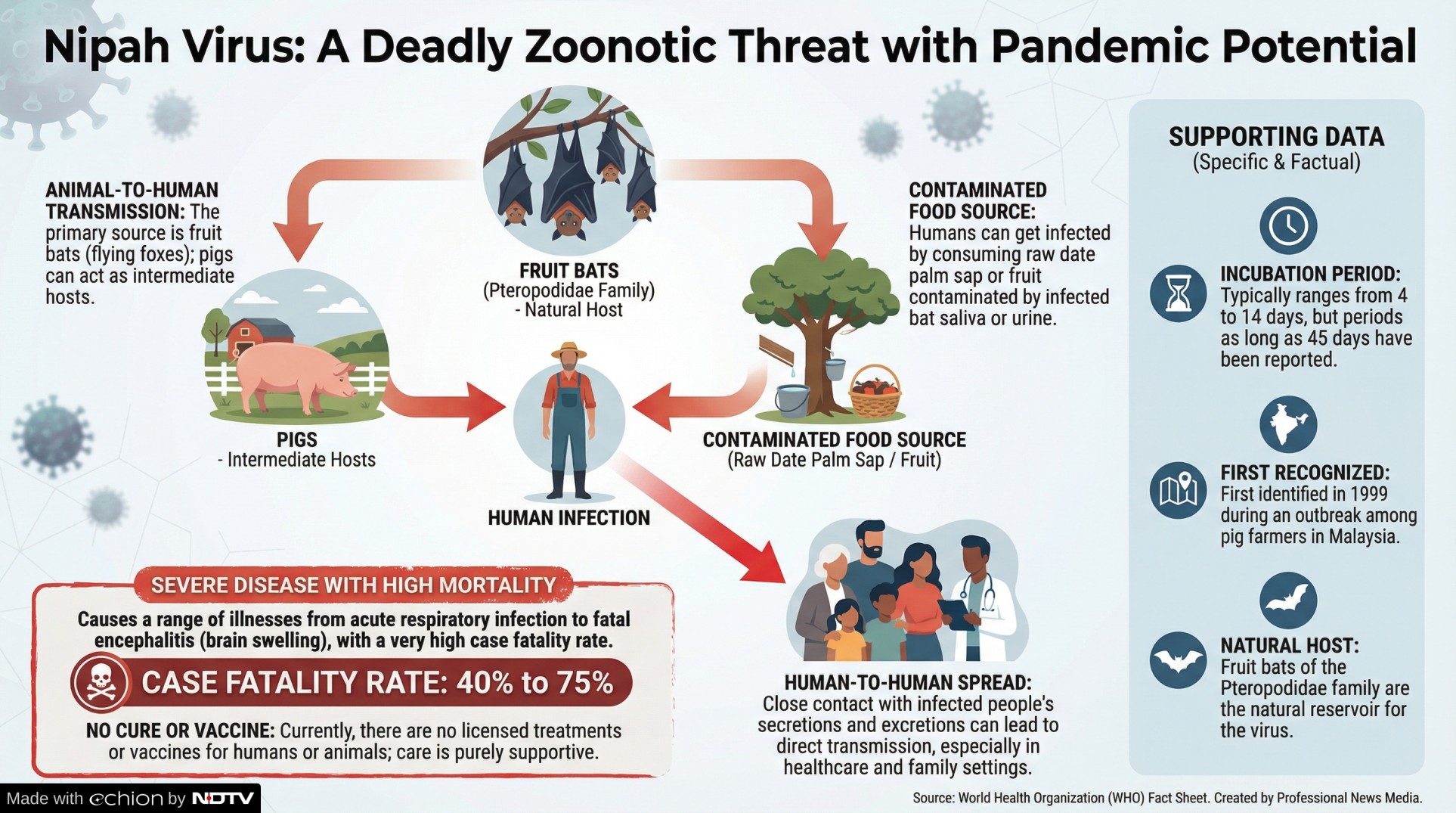
The Nipah virus (NiV) is a highly dangerous zoonotic infection that has repeatedly emerged in South and Southeast Asia. Currently, the outbreak in West Bengal is dominating the news. Nipah virus belongs to the Henipavirus genus and is primarily carried by fruit bats (Pteropus species), making spillover to humans through contaminated food or direct contact a persistent threat. In humans, Nipah infection ranges from mild or asymptomatic illness to severe respiratory distress and fatal encephalitis. With no approved vaccine or specific antiviral therapy, and fatality rates that have varied from 40% to 75% in past outbreaks, this virus presents a substantial public health concern wherever it appears.
"Once a human is infected, human-to-human transmission is also possible, most often occurring in close-contact settings," says Dr. Neha Mishra, Consultant in Infectious Diseases at Manipal Hospital, Old Airport Road. Early cases can be hard to spot, and this delayed detection contributes to transmission risk and poor outcomes. Understanding why Nipah demands early recognition, from its transmission pathways to its clinical severity, is key to preparing communities and healthcare systems alike.
What Is Nipah Virus and How It Spreads
Nipah virus is a zoonotic pathogen first identified in 1998 and since associated with outbreaks in Bangladesh, India, Malaysia, Singapore and the Philippines. Fruit bats are the primary reservoir, and humans typically become infected when they consume food contaminated with bat saliva, urine or faeces, especially raw date palm sap, a known cultural practice in parts of South Asia.
Dr. Mishra explains, "One of the challenges with Nipah virus infection is that the disease can sometimes have an asymptomatic phase. This makes early detection difficult and increases the risk of unnoticed transmission." Human-to-human spread is also documented, especially in close-contact caregiving environments where exposure to bodily fluids occurs.
Symptoms: From Mild to Severe
Early Nipah virus infection frequently begins with nonspecific symptoms, making it hard to differentiate from common viral illnesses. Patients often present with high fever, headache, muscle pain (myalgia) and sore throat. Some may develop respiratory symptoms, including cough and difficulty breathing, which increases the risk of human-to-human transmission through respiratory droplets.
In many cases, the virus progresses rapidly to severe neurological disease, especially encephalitis (brain inflammation), within days. Symptoms can include drowsiness, confusion, seizures and coma. This escalation underscores how critical early identification is before more severe manifestations develop.
Geographic Spread and India's Experience
Nipah outbreaks in India have occurred multiple times since 2001, including notable episodes in West Bengal recently and earlier in Kerala, where enhanced surveillance systems have been credited with more effective outbreak control. While the current outbreak in West Bengal is in the news, the 2018 outbreak in Kerala is often referenced for its strong public health response that integrated rapid case detection, contact tracing and isolation, a model now used elsewhere. Dr. Mishra reinforces this, noting that effective monitoring and timely care were central to limiting mortality during that event.
Outbreaks often coincide with seasonal behaviours of fruit bats and cultural food practices such as raw date palm sap consumption, especially in winter and spring. The fact that some infected individuals may not show symptoms early complicates surveillance efforts.
High Fatality and Limited Treatment Options
The Nipah virus's fatality rate is alarmingly high: historically, outbreaks have shown between 40% and 75% mortality, with some clusters reaching near-total fatality in poorly resourced settings. This stark statistic sets Nipah apart from many common viral infections and heightens urgency for early detection and care.
Dr. Mishra highlights the clinical severity: "The disease typically presents with high-grade fever, headache, myalgia, and respiratory distress. In many cases, it rapidly progresses to involve the brain, leading to encephalitis." She adds that patients may develop seizures, lapse into coma, and experience severe neurological complications.
There is currently no approved vaccine against Nipah virus, and treatment is limited to intensive supportive care. Antivirals such as remdesivir and ribavirin have been tried but remain investigational without established efficacy in routine use.
Prevention Is Key: Simple Measures Save Lives
Without specific therapies or vaccines, prevention remains the most effective strategy. Avoiding consumption of raw date palm sap and fruits exposed to bats, practising strict hand hygiene, and using protective gear when handling animals can significantly reduce infection risk.
Dr. Mishra emphasises, "Prevention remains the most effective strategy. Avoiding the consumption of raw date palm sap, using protective measures while handling animals, and practising good hand hygiene can significantly reduce the risk of infection." She notes that once infection occurs, the clinical trajectory can be rapid and unforgiving.
Also Read: What Is Nipah Virus? Is It Similar To Covid-19? Explained
Importance of Early Medical Attention
Because early symptoms can mimic those of common viral illnesses, prompt medical evaluation for fever and respiratory symptoms is critical, particularly in regions with known Nipah activity. A high index of suspicion is crucial when symptoms follow known exposure risks, such as raw date palm sap consumption or contact with symptomatic individuals.
Early diagnosis using PCR and antibody detection can enable supportive care to begin sooner and stimulate essential public health actions like isolation and contact tracing.
Nipah virus remains a highly fatal and unpredictable pathogen with no approved vaccine or targeted treatment. Early detection, awareness of transmission routes and immediate medical care are key to reducing mortality. Dr. Neha Mishra's insights remind us that recognising early symptoms and acting swiftly can make a critical difference in outcomes, not just for patients, but for wider public health.
Disclaimer: This content including advice provides generic information only. It is in no way a substitute for a qualified medical opinion. Always consult a specialist or your own doctor for more information. NDTV does not claim responsibility for this information.