

)
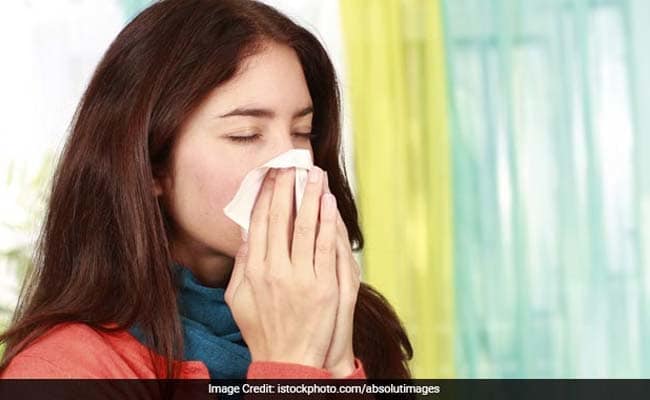
Temperatures are rising and there's seasonal change across the country. While the weather might be pleasing, there's also an increase in allergens like pollen, mold, and dust, which causes seasonal allergies. Also known as allergic rhinitis, or hay fever, this happens when airborne irritants, or allergens, enter the eyes, nose and throat, causing an allergic reaction. During this time of the year, pollen is present in the environment which causes the allergies. Hence, it is important to keep yourself protected during seasonal changes to prevent these allergies. Here are some tips that can be beneficial.
Tips To Prevent Allergies During Seasonal Changes
1. Monitor Pollen Count
Track pollen levels during the seasonal change is one the key ways to keep yourself protected. Tree pollen tends to increase exponentially when temperatures rise. Pollen levels peak in the mornings and are present till the afternoons before dipping in the evening. Make sure to stay indoors when the pollen levels are high and schedule your outdoor activities when pollen levels dip. This can help to reduce flare-ups.
2. Seal Windows and Use AC
Open windows allow allergens to get indoors. Make sure to keep them shut during high-pollen seasons. You can use fans and air conditioners to regulate indoor temperatures. Keeping your windows closed creates a barrier while also cooling your space. For cars, use cabin filters and keep vents closed during commutes.
3. Shower and Change After Outdoors
Pollen is sneaky as it sticks to your hair, skin, eyelashes, and clothes like invisible glitter. Take a shower right after you come home. Use lukewarm water and soap to rinse away particles without drying skin. Focus on the face and scalp, and use a saline spray in your nostrils to flush sinuses. Change clothes for fresh ones, and put dirties straight for washing.
4. Use HEPA Air Purifiers
High-efficiency particulate air purifiers are game-changers. They capture 99.97% of tiny pollen grains as small as 0.3 microns that evade noses. Keep it in your bedroom and living area for filtered air. Use them 24/7 during peak seasons, and combine it with dehumidifiers to hold moisture below 50%. These devices can be beneficial as health shields and prevent allergic reactions.
5. Deep-Clean Your Home
Dust and pollen settle on every surface. Vacuum carpets, rugs, and upholstery weekly with a HEPA-filtered machine, using a damp mop on floors. Wash your sheets, pillowcases, and blankets in hot water every few days as pollen tends to settle on fabrics, and skip drying them outdoors. These habits can keep your home allergen-free or low in allergens.
6. Precaution for Outdoor Tasks
If you have outdoor tasks and activities, wear N95 masks to block 95% of airborne particles. Also, wear wraparound sunglasses to protect your eyes, and wide-brim hats to shield your face. Wear lightweight scarves over noses during sudden windy and dry days to prevent exposure.
7. Hydrate Well
Make sure that you keep yourself well hydrated. You can infuse your drinking water with lemon or cucumber to increase your vitamin C intake which can help your immune system. Also, consume turmeric milk, ginger tea, and garlic curries. Flaxseeds or walnuts have Omega-3s which can help calm immune overreactions by lowering inflammation.
8. Medications
Don't wait for sneezes. Start antihistamines or nasal sprays two weeks before expected peaks, around late February. These help to build a buffer, reducing severity. Taking early action means fewer sick days, and you can focus more on other tasks.
Disclaimer: This content including advice provides generic information only. It is in no way a substitute for a qualified medical opinion. Always consult a specialist or your own doctor for more information. NDTV does not claim responsibility for this information.