



Pollen Allergies
-
{
- All
- News
-

Do You Know What Triggers Seasonal Allergies? Key Facts You Shouldn't Ignore
Seasonal allergies occur when the immune system reacts to airborne substances like pollen, causing symptoms such as sneezing and itchy eyes.
-
Do You Know What Triggers Seasonal Allergies? Key Facts You Shouldn't Ignore
Seasonal allergies occur when the immune system reacts to airborne substances like pollen, causing symptoms such as sneezing and itchy eyes.
-
Seasonal Allergies: 8 Tips To Keep Yourself Protected During Seasonal Changes
Seasonal allergies happens when airborne irritants, or allergens, enter the eyes, nose and throat, causing an allergic reaction. Read on to know some tips to keep yourself protected.
-
Seasonal Allergies: 8 Tips To Keep Yourself Protected During Seasonal Changes
Seasonal allergies happens when airborne irritants, or allergens, enter the eyes, nose and throat, causing an allergic reaction. Read on to know some tips to keep yourself protected.
-
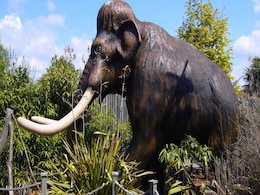
Did Pollen Allergies Cause Woolly Mammoths' Extinction? New Study Proposes a Surprising Theory
A new study proposes a surprising theory that pollen allergies may have contributed to the extinction of woolly mammoths. The researchers argue that an increase in pollen during the post-Ice Age period could have affected the animals' ability to communicate and reproduce. This inability to breed, combined with environmental changes and human activi...
-
Do You Know What Triggers Seasonal Allergies? Key Facts You Shouldn't Ignore
Seasonal allergies occur when the immune system reacts to airborne substances like pollen, causing symptoms such as sneezing and itchy eyes.
-
Do You Know What Triggers Seasonal Allergies? Key Facts You Shouldn't Ignore
Seasonal allergies occur when the immune system reacts to airborne substances like pollen, causing symptoms such as sneezing and itchy eyes.
-
Seasonal Allergies: 8 Tips To Keep Yourself Protected During Seasonal Changes
Seasonal allergies happens when airborne irritants, or allergens, enter the eyes, nose and throat, causing an allergic reaction. Read on to know some tips to keep yourself protected.
-
Seasonal Allergies: 8 Tips To Keep Yourself Protected During Seasonal Changes
Seasonal allergies happens when airborne irritants, or allergens, enter the eyes, nose and throat, causing an allergic reaction. Read on to know some tips to keep yourself protected.
-
Did Pollen Allergies Cause Woolly Mammoths' Extinction? New Study Proposes a Surprising Theory
A new study proposes a surprising theory that pollen allergies may have contributed to the extinction of woolly mammoths. The researchers argue that an increase in pollen during the post-Ice Age period could have affected the animals' ability to communicate and reproduce. This inability to breed, combined with environmental changes and human activi...

