

)
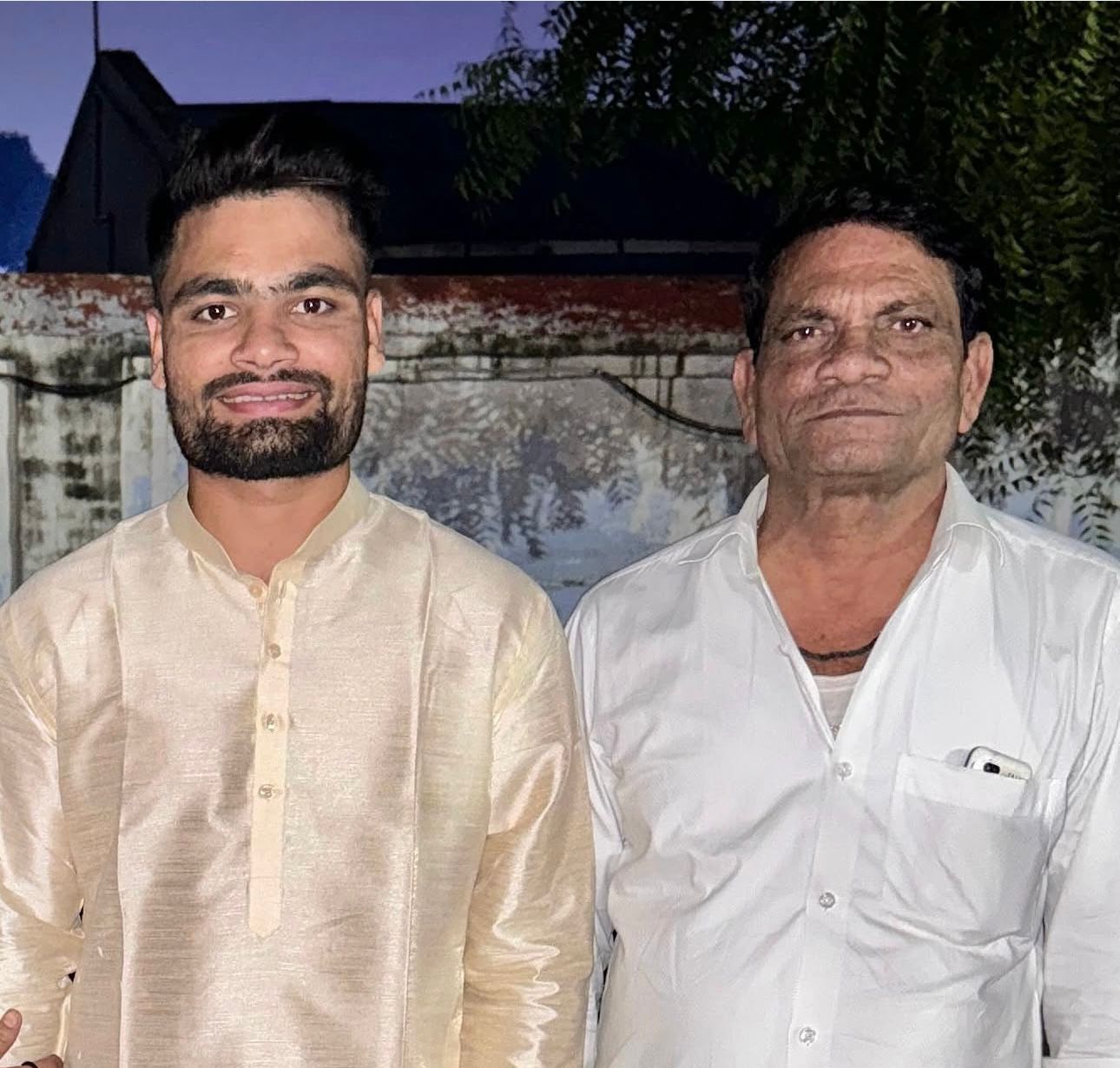
Indian cricketer Rinku Singh's father, Khanchand Singh, passed away at a hospital in Greater Noida on Friday morning after a prolonged battle with stage 4 liver cancer, reports news agency PTI. Dr. Sunil Kumar, spokesperson of Yatharth Hospital in Greater Noida, where the cricketer's father was admitted, said Khanchand Singh was battling liver cancer.
"His condition had deteriorated significantly in recent days, following which he had been admitted to the hospital on February 21. He was placed on ventilator support and breathed his last early this morning," Dr. Kumar said. Rinku Singh left the ICC Men's T20 World Cup camp and rushed back home on Tuesday evening after his father's health deteriorated.
Stage-4 liver cancer is a condition in which the cancer cells have spread from the liver to other parts of the body. At this stage, the cancer can't be cured, but treatments may help slow progression and manage symptoms.
All about stage-4 liver cancer
Stage 4 liver cancer, also known as metastatic liver cancer, is the most advanced stage of liver cancer where the cancer has spread beyond the liver to other parts of the body, such as the lungs, bones, or nearby lymph nodes. This stage indicates that the cancer is more aggressive and often harder to treat.
While your liver is a critical organ, it is also vulnerable to several serious conditions, including cancer. Liver cancer typically progresses through four stages:
1. Stage 1: The cancer is localised to the liver and usually does not spread to blood vessels or lymph nodes.
2. Stage 2: The tumor may be larger and might have spread to nearby blood vessels, but is still confined to the liver.
3. Stage 3: The cancer has invaded nearby lymph nodes or large blood vessels, indicating more extensive disease.
4. Stage 4: At this stage, the cancer has spread to distant organs and tissues.
Symptoms of stage-4 liver cancer
Just like most cancer types, liver cancers aren't diagnosed until they've reached a later stage. Symptoms in Stage 4 are often more severe than in the early stages and vary depending on where the cancer has spread:
- Jaundice
- Unexplained weight loss
- Loss of appetite
- Severe fatigue
- Abdominal pain or swelling
- Bloating
- Bone pain
- Fractures
- Shortness of breath
- Change in mental state due to hepatic encephalopathy
Treatment and cure
Stage 4 liver cancer is generally not considered curable. However, the treatment aims to control the disease, prolong life, and improve the quality of life.
1. Systemic therapies:
- Chemotherapy: It is often used in combination with other drugs, though sometimes less effective for liver cancer than other types.
- Targeted therapy: This uses drugs that target specific aspects of cancer cells.
- Immunotherapy involves treatments that help the immune system recognise and attack cancer cells.
2. Localised treatments:
- Radiofrequency ablation (RFA) is used to destroy cancer cells using heat.
- Transarterial Chemoembolisation (TACE) delivers chemotherapy directly to the tumor while cutting off its blood supply.
3. Supportive care
Palliative care to manage symptoms, improve quality of life, and reduce the stress of a serious illness.
4. Liver transplant
In select cases where there are no other major health issues, and if the cancer is limited to certain criteria, a transplant may be considered.
Survival rates
According to statistics, the chance of surviving for five years is around 14% if the cancer has spread locally and about 3% if it has spread farther.
Five-year survival rates are a measure of how many people with a certain type and stage of cancer are alive 5 years after they received the diagnosis, based on statistics. However, they don't consider new treatment options or individual factors, such as age and health.
Several things can affect the outlook for someone with stage 4 liver cancer, including how well the liver is working, how far the cancer has spread, how well the treatment works, and the person's age and overall health.
While stage 4 liver cancer is a serious condition, treatment advancements continue to evolve. Ongoing management and supportive care can help maintain quality of life, and every patient's treatment needs to be individualised based on specific circumstances.
Disclaimer: This content including advice provides generic information only. It is in no way a substitute for a qualified medical opinion. Always consult a specialist or your own doctor for more information. NDTV does not claim responsibility for this information.