

)
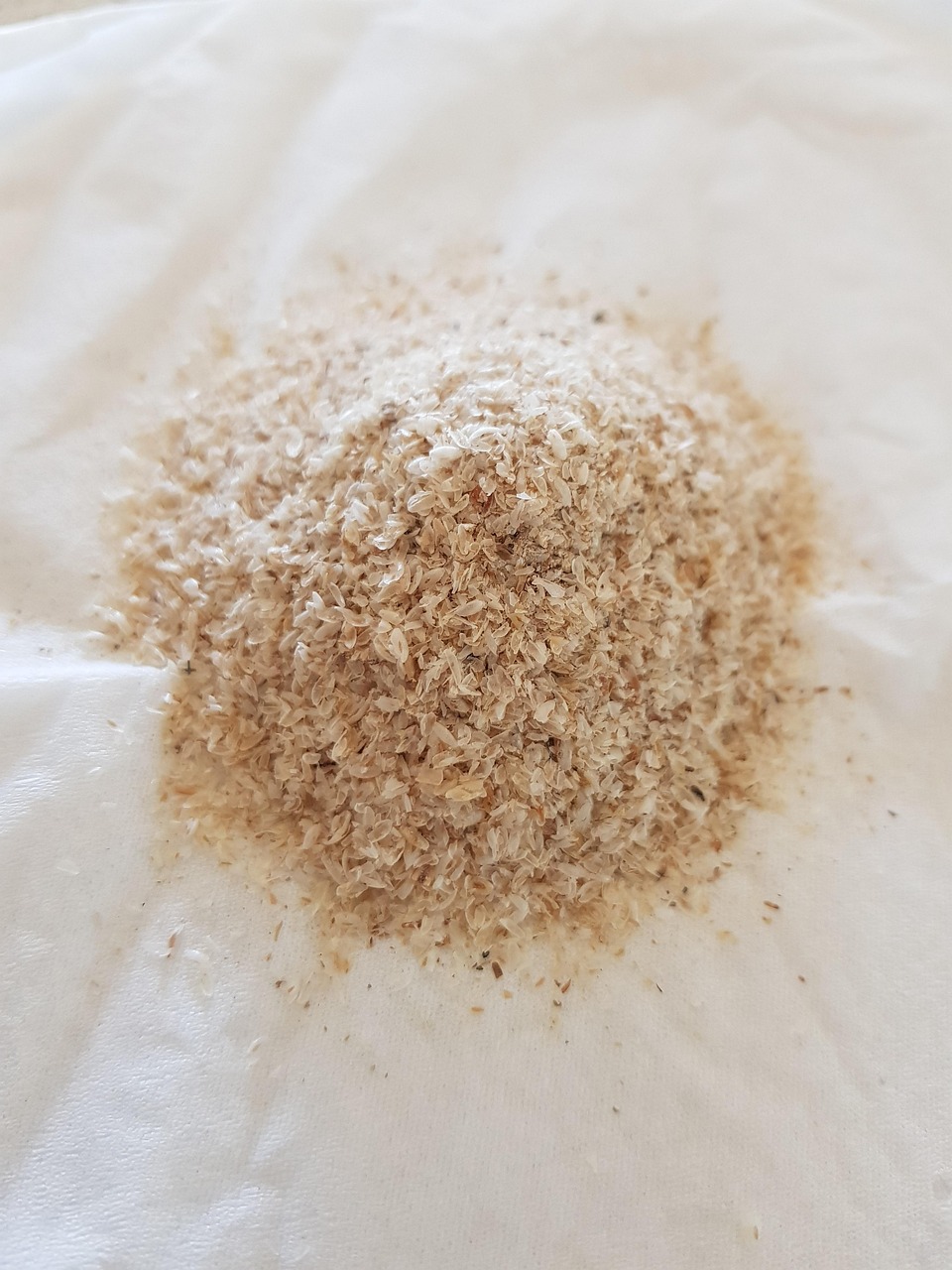
Psyllium husk, also known as Aesopgol, is generally acknowledged to be a natural remedy to deal with issues related to the digestive system and constipation. It is commonly used in many Indian homes, and medical experts also often advocate its consumption. However, health experts now are opining that it may not be suitable for consumption in every case, as it may lead to negative side effects if consumed incorrectly or in excess.
Nutritionist Deepshikha Jain explains in a recent social media video that people usually highlight Aesopgol's benefits while ignoring any potential hazards. The high fibre content of psyllium husk might occasionally worsen issues rather than resolve them.
Jain claims that because psyllium husk has a lot of fibre, it might not be suitable for everyone. She clarifies that it can worsen bloating and gas, particularly in those who already have digestive issues. “Psyllium husk can actually make you more gassy, especially if you have SIBO or you cannot digest fibre too much,” Jain explains.
A condition known as SIBO, or small intestinal bacterial overgrowth, occurs when there are too many bacteria in the small intestine, which can make it more difficult to digest fibre. In these situations, taking large doses of psyllium can cause discomfort, bloating, and stomach pain rather than alleviation.
Additionally, Jain cautions against long-term, frequent use of isabgol. She claims that relying on psyllium husk on a daily basis to eliminate faeces may reduce the natural activity of gut muscles.
“Long-term consumption of isabgol can actually make it tougher for you to poop without consuming it because your body starts depending on isabgol,” she says.
The normal motility of the intestine could be weakened over time by this dependency, which would exacerbate constipation after Isabgol consumption is withdrawn.
Improper water intake is another significant issue that Jain highlights. Psyllium husk, she explains, expands in the intestines after absorbing water. Not drinking enough water can cause stools to become harder rather than softer.
“This may worsen your constipation, especially if you are not drinking enough water with isabgol. It can form harder stools and give you more trouble,” she says.
According to Jain, psyllium husk and other fibre is not good for everyone. Take it sparingly unless it is absolutely necessary; otherwise, it cannot be used as a meal or as a substitute for meals. “Start with 1/2-1 Tsp only to see how it responds to stomach digestion,” Jain mentions in the caption.
"Natural" does not necessarily imply risk-free. Instead of using fibre supplements as a form of self-medication, it is recommended to prioritise healthy eating, drinking enough water, exercising, and seeking expert guidance.
Disclaimer: This content including advice provides generic information only. It is in no way a substitute for a qualified medical opinion. Always consult a specialist or your own doctor for more information. NDTV does not claim responsibility for this information.