

)
World Down Syndrome Day is observed every year on March 21. The day aims to raise public awareness, promote inclusion, and advocate for the rights and well-being of people with Down syndrome. March 21 was chosen to represent the biological cause of Down syndrome; Trisomy 21. Down syndrome is a genetic condition which happens when there's an unusual cell division which results in an extra full or partial copy of chromosome 21. People with Down syndrome have three copies of chromosome 21. The extra genetic material causes developmental changes and physical features of Down syndrome.
The condition can vary in severity among individuals. It causes lifelong intellectual disability and developmental delays. According to Mayo Clinic, it's the most common genetic chromosomal cause of intellectual disabilities in children. Early diagnosis and intervention can help to improve the quality of life for children and adults with this condition. Hence, prenatal screening is important. Speaking to NDTV, Dr. Suman Mehla, Director Obstetrics & Gynaecology at Fortis Greater Noida, said "As a Gynaecologist with over 21 years of experience, I would say that prenatal screening plays a very important role in helping expectant parents make informed decisions about their pregnancy."
When Is Prenatal Screening Done?
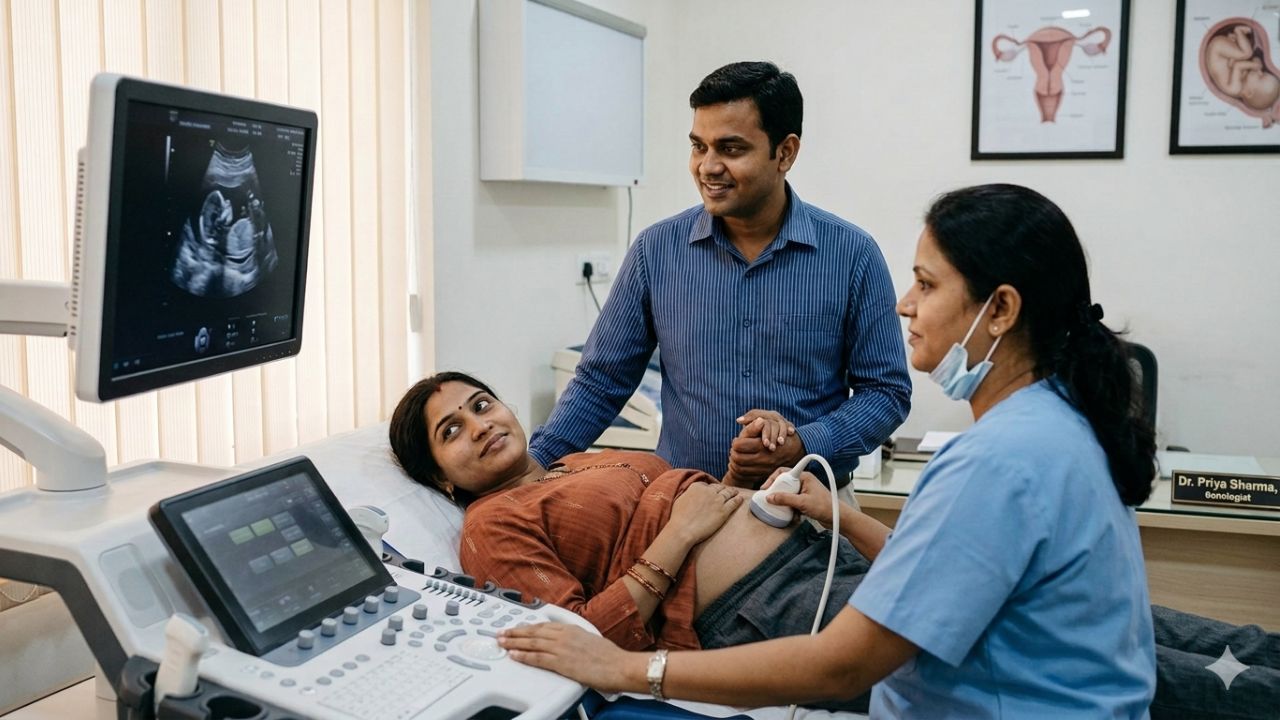
Dr. Mehla said that prenatal screening for Down Syndrome is usually done in the first and second trimester through tests such as the NT scan, Double Marker test, Triple/Quadruple marker test, and Non-Invasive Prenatal Testing (NIPT). These tests help assess the risk of chromosomal conditions like Down Syndrome in the developing baby.
It is important to understand that screening tests do not give a final diagnosis, but they indicate whether the pregnancy has a higher or lower risk. If the risk appears higher, confirmatory diagnostic tests such as Chorionic Villus Sampling (CVS) or Amniocentesis may be recommended.
Importance Of Prenatal Screening
Prenatal screening empowers expectant parents with vital knowledge that helps them make informed decisions during a delicate phase of life. Not just intellectual disabilities and distinctive physical features, Down Syndrome can also lead to potential health challenges like heart defects, thyroid issues, and hearing impairments. Early detection through screening allows families to prepare emotionally, medically, and logistically, transforming uncertainty into proactive planning.
The primary advantage of prenatal screening lies in its ability to provide reassurance or timely awareness. For a lot of people, a low-risk result alleviates anxiety, helping parents to focus on pregnancy milestones without the shadow of worry. When there are indications of higher risks, it opens doors to specialised counseling, where genetic experts explain implications. This enables couples to weigh options like continued pregnancy with enhanced support or other choices aligned with their values.
Also, prenatal screenings facilitate optimal fetal and maternal outcomes. High-risk identifications prompt closer monitoring, early interventions like nutritional adjustments or lifestyle modifications, and access to multidisciplinary teams including paediatric cardiologists or developmental specialists post-birth. Families have the time to assemble resources like connecting with support groups, securing educational plans under laws, or arranging for home adaptations. Financially, it helps to budget for lifelong therapies, special education, and healthcare, reducing long-term burdens.
The goal of prenatal screening is not to create fear but to empower parents with accurate medical information, so they can understand the health of the baby and discuss the best possible options with their doctor. "With proper counselling and timely screening, families can make thoughtful and well-informed choices during pregnancy," said Dr. Mehla.
Disclaimer: This content including advice provides generic information only. It is in no way a substitute for a qualified medical opinion. Always consult a specialist or your own doctor for more information. NDTV does not claim responsibility for this information.