

)
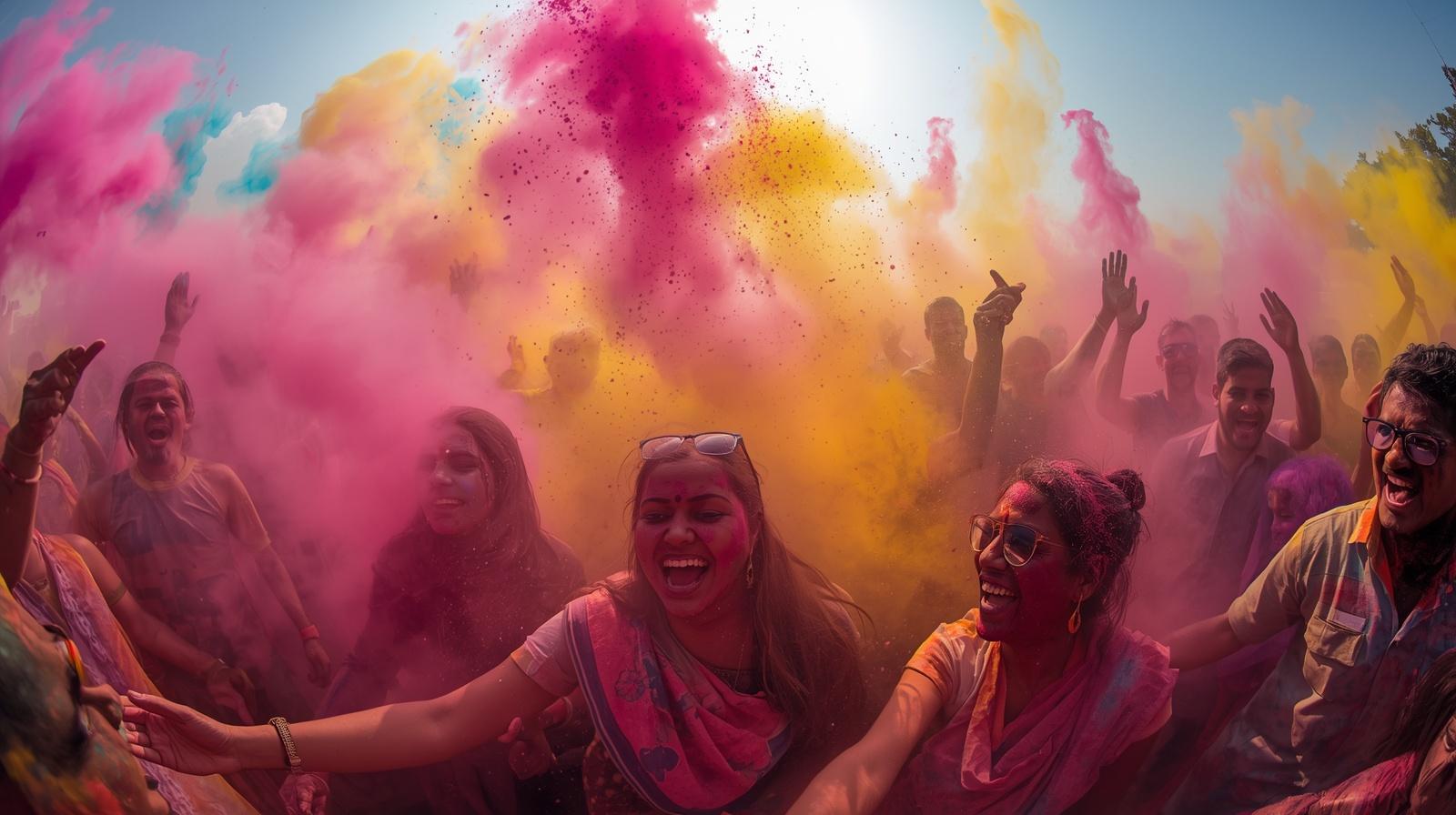
Holi is one of the most joyful festivals of the year. It brings families together in celebration, laughter, music, and vibrant colours. Children run around with gulal, elders join in the festivities, and communities gather outdoors for hours. However, while Holi is a celebration of happiness, it can also pose certain health risks if precautions are not taken. "Chemical colours, prolonged sun exposure, contaminated water, and festive indulgence in sweets or alcoholic drinks can sometimes lead to unexpected medical concerns. Being aware of warning signs and taking preventive steps can help ensure that Holi remains safe and enjoyable for everyone," says Dr. G. Krishna Mohan Reddy is a Senior Consultant Physician and Diabetologist, Yashoda Hospitals, Hyderabad.
1.Skin Safety : Recognising Irritation and Allergic Reactions
"Holi colours available in market contain synthetic dyes and chemicals such as lead, copper sulphate, or industrial pigments. These substances can irritate the skin and disrupt its natural protective barrier," states Dr Reddy. "After exposure, some people may experience itching, redness, or a burning sensation. People having sensitive skin, especially those with eczema, psoriasis, or a history of allergies, rashes may develop. These rashes can appear as raised red patches, small blisters, or swelling around the face and neck. Persistent itching may further damage the skin if scratched excessively," Dr Reddy says, adding, in rare but serious cases, people may develop severe allergic reactions marked by facial swelling, breathing difficulty, or dizziness. This requires immediate medical attention.
Also read: Holi 2026 Eye Injuries Are Preventable: What Doctors Wish People Knew Before Playing
Accordng to Dr Reddy, to reduce risk, we should use natural or herbal colours made from plant-based ingredients. Applying coconut oil or a thick moisturiser before playing holi gives a protective barrier that prevents colours from sticking deeply to the skin. Wearing full-sleeved clothing and avoiding harsh scrubbing while washing off colours also helps prevent irritation.
If a reaction occurs, gently rinse the area with clean water and apply soothing agents like aloe vera or calamine lotion. If symptoms persist beyond 24 hours, consult a dermatologist.
2. Eye Safety : Preventing Irritation and Injury
"The eyes are particularly vulnerable during Holi celebrations. Fine powder particles can easily enter the eyes, causing immediate discomfort. Common symptoms include redness, watering, burning sensation, and a gritty feeling as though something is stuck in the eye," Dr Reddy says. "More concerning symptoms include sharp pain while blinking, blurred vision, or sensitivity to light. These signs may indicate a corneal abrasion, which is a scratch on the surface of the eye. Chemical exposure can also lead to conjunctivitis or infection if not treated properly," he adds.
If colour enters the eyes, they should be rinsed immediately with clean running water for at least 10-15 minutes. Rubbing the eyes must be strictly avoided, as it can worsen injury. Random over-the-counter eye drops should not be used without medical advice. Preventive steps include wearing protective sunglasses and avoiding direct throwing of colours at someone's face. Contact lens users should switch to glasses for the day, as lenses can trap chemical particles and increase irritation risk. Any persistent pain, discharge, or vision disturbance should prompt a consultation with an ophthalmologist.
3. Respiratory Health: Watching for Breathing Difficulties
As per Dr Reddy, dry gulal powders can become airborne and may irritate the respiratory tract when inhaled. This is particularly concerning for people with asthma, allergic rhinitis, bronchitis, or chronic obstructive pulmonary disease (COPD). Symptoms of respiratory irritation include repeated coughing, throat irritation, wheezing, chest tightness, or shortness of breath. In people with asthma, exposure may trigger an asthma attack, which can escalate quickly if not managed. If someone experiences breathing difficulty, they should immediately move to a well-ventilated area. Prescribed inhalers should be used as directed. Severe symptoms such as difficulty speaking full sentences, rapid breathing, or bluish lips require urgent medical care. To reduce risk, play in open spaces with good airflow. Wearing a mask or covering the nose and mouth with a scarf can help limit inhalation of powder particles. Choosing wet colours over dry powders can also reduce airborne exposure.
4. Heat, Dehydration and Sun Exposure
Holi is often celebrated outdoors for extended periods, sometimes during warm weather. Continuous physical activity in the sun increases the risk of dehydration and heat exhaustion. Dr. Reddy highlights the early warning signs of dehydration. These include excessive thirst, dry lips, fatigue, headache, and muscle cramps. As dehydration worsens, symptoms may escalate to dizziness, rapid heartbeat, confusion, and fainting. At its most severe, dehydration can lead to heatstroke, which is a medical emergency that is potentially life-threatening.
Staying hydrated is essential. Drink water at regular intervals, even if you do not feel thirsty. Oral rehydration solutions or coconut water can help replenish lost electrolytes. Applying sunscreen and taking breaks in shaded areas also reduce sun-related risks. It is wise to avoid peak afternoon heat between 12 PM and 3 PM.
5. Food Safety and Festive Indulgence
Holi celebrations often involve sweets, fried snacks, and festive drinks such as bhang or alcohol. Overconsumption or intake of contaminated food can lead to digestive issues. Symptoms such as vomiting, diarrhoea, abdominal pain, fever, or dizziness may indicate food poisoning or gastrointestinal infection. Excessive alcohol or bhang intake can cause sudden drowsiness, confusion, palpitations, or even low blood pressure.
Also read: Playing With Water This Holi? Doctor Warns Of Water-Borne Diseases, Shares Safety Tips
Eating freshly prepared hygienic food, avoiding excessive consumption of intoxicating drinks, and drinking clean water can prevent such problems. Individuals with diabetes should monitor blood sugar levels, especially when consuming sweets.
Celebrate Responsibly
Holi is meant to spread joy, not illness. Most health concerns during Holi are preventable with awareness and simple precautions. Recognising early warning signs, such as persistent rashes, breathing difficulty, severe eye pain, dehydration, or confusion, can help prevent emergencies. Enjoy the vibrant colours of Holi while keeping health and well-being a top priority.
Disclaimer: This content, including advice, provides generic information only. It is in no way a substitute for a qualified medical opinion. Always consult a specialist or your own doctor for more information. NDTV does not claim responsibility for this information.