

)
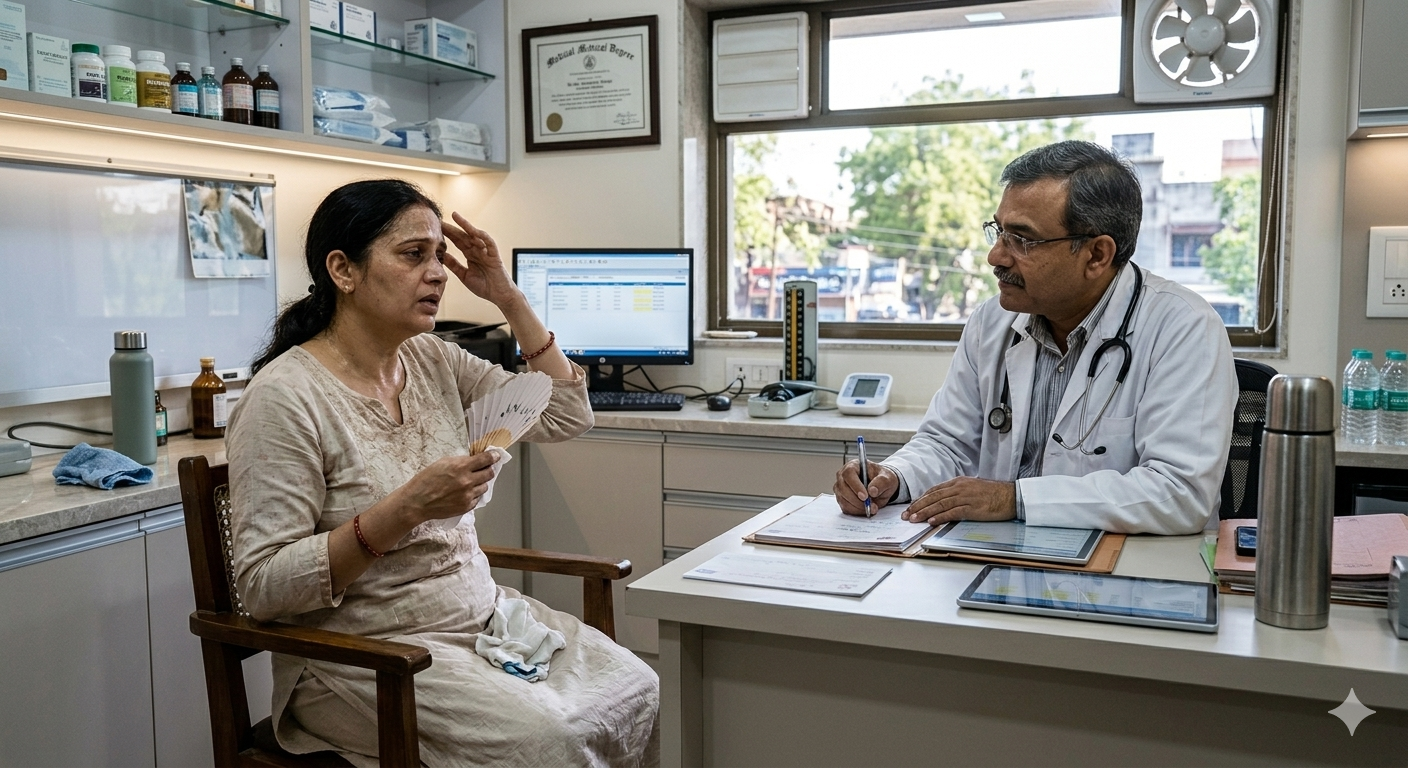
The India Meteorological Department (IMD) has issued a yellow alert for heatwave conditions today in Delhi. These conditions are expected to persist until tomorrow, with maximum temperatures ranging from 44 to 46 degrees Celsius. The rising temperatures can significantly impact both physical and mental health, making daily tasks more challenging. During a heatwave, the body struggles to regulate its internal temperature. This can lead to dehydration, heat exhaustion, or even heat stroke, particularly affecting vulnerable groups like the elderly, children, and individuals with existing health issues. High temperatures can also worsen respiratory conditions in some individuals. Dr. RS Mishra, Co-Chair of Academics, Principal Director and Head, Internal Medicine at Max Smart Super Speciality Hospital, Saket, has mentioned that hospitals have started witnessing a noticeable rise in heat-related illnesses as temperatures climb across the city.
"Over the past couple of weeks, outpatient departments and emergency units have seen more patients presenting with dehydration, heat exhaustion, and early signs of heat stroke. This trend aligns with the onset of seasonal heatwaves and is expected to escalate if high temperatures continue," stated Dr. Mishra.
Dr. Rommel Tickoo, Director - Internal Medicine, Max Super Speciality Hospital, Saket has also informed that there is definitely a noticeable increase in patients presenting to hospitals and emergency departments during the ongoing heatwave conditions. "We are seeing a rise in cases of heat exhaustion, dehydration, heat cramps, heat syncope especially among the elderly, children, outdoor workers, patients with chronic illnesses and those with poor fluid intake," he said.
Over 10 patients daily
"In a typical mid to large-sized hospital, we are currently seeing approximately 10 to 15 patients per day with heat-related complaints. This number tends to increase on particularly hot days or during peak heatwave periods, especially when daytime temperatures remain high for consecutive days," Dr. Mishra told NDTV.
Dr. Mishra also noted that a portion of these patients requires hospitalisation, particularly the elderly and those with existing conditions such as diabetes or cardiovascular disease. "Most admitted cases are moderate in severity, primarily due to heat exhaustion coupled with dehydration or electrolyte imbalance. However, occasional cases of severe heat stroke with altered mental status and systemic involvement are also being reported and require intensive monitoring and management."
Who are at a higher risk of heat-related illness?
Dr. Mishra highlighted that the most affected groups include elderly individuals over the age of 60, who have a diminished physiological ability to regulate body temperature, and outdoor workers aged 20 to 50 who are exposed to prolonged heat. Children are also at risk due to inadequate hydration and their reliance on caregivers. "Males seem to be slightly more affected, likely due to increased occupational exposure to outdoor environments," he added.
What are the common symptoms of heat-related illness?
The most frequently observed symptoms include dehydration, generalised weakness, dizziness, headache, nausea, and muscle cramps. In more severe cases, patients may present with confusion, disorientation, or altered consciousness, which are indicative of heat stroke and require urgent medical attention.
Skin-related issues
Dr. Mishra also pointed out that, in addition to systemic symptoms, many patients are presenting with skin-related problems such as heat rashes (miliaria), sunburn, and heat boils or furuncles. These conditions are particularly common among children, individuals with excessive sweating, and those working outdoors for extended periods.
Precautions and preventive measures
To safeguard against heatwaves and abrupt weather changes, individuals should ensure they stay adequately hydrated by drinking sufficient water and electrolyte-rich fluids. It is advisable to avoid outdoor exposure during peak heat hours, typically between noon and late afternoon, and to wear light, loose-fitting cotton clothing.
"Preventive measures are extremely important. People should avoid direct sun exposure during peak afternoon hours, stay well hydrated even if they are not thirsty, wear loose cotton clothing, use adequate ventilation or air-conditioning and avoid strenuous outdoor activity during peak heat hours. Elderly individuals and children require special attention as they may not recognise early symptoms of dehydration," advises Dr. Tickoo.
Protective measures such as using caps, umbrellas, and sunscreen are recommended. It is also important to limit alcohol and caffeine intake, ensure proper ventilation at home, and monitor vulnerable populations like the elderly, children, and those with chronic illnesses closely. During periods of variable weather, avoiding sudden temperature fluctuations, maintaining consistent hydration, and seeking early medical attention for symptoms can significantly reduce health risks.
Disclaimer: This content including advice provides generic information only. It is in no way a substitute for a qualified medical opinion. Always consult a specialist or your own doctor for more information. NDTV does not claim responsibility for this information.