Trump Pushes Middle East Reset, Pak Faces Saudi, Abraham Accords Dilemma
Pakistan faces a dilemma over the Abraham Accords, needing to recognise Israel for economic gains but opposing it without Palestinian statehood.
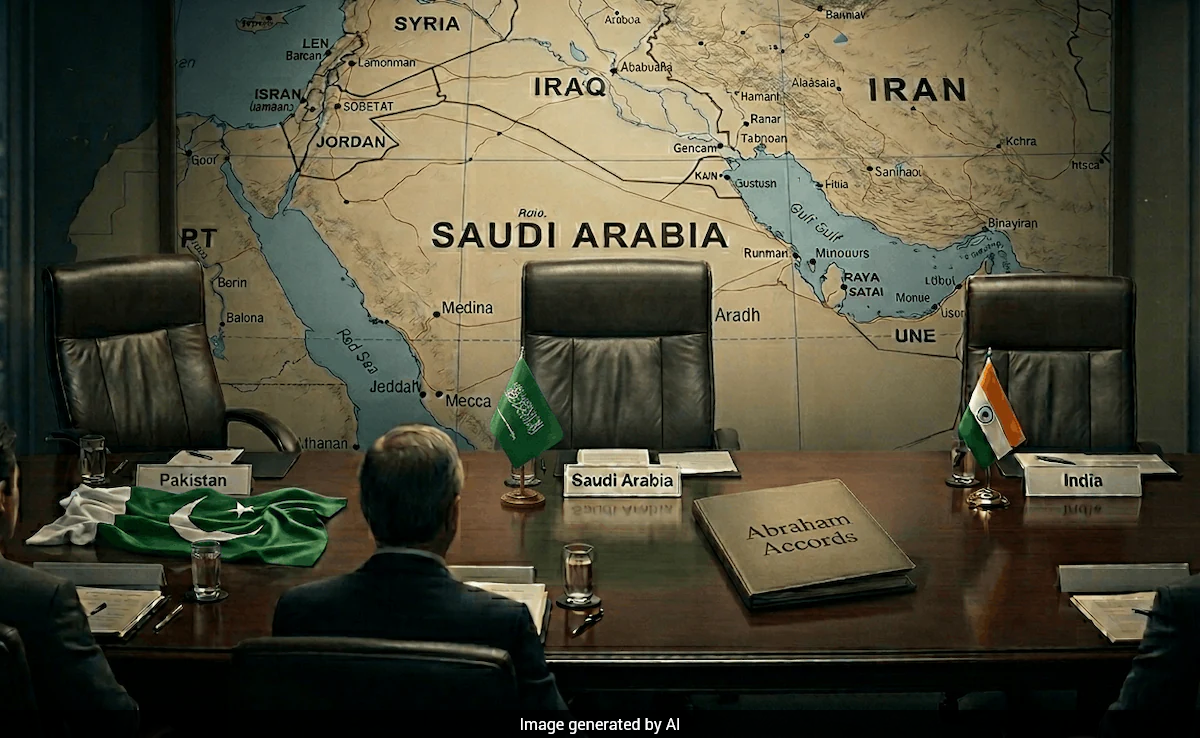
A rock and a hard place.
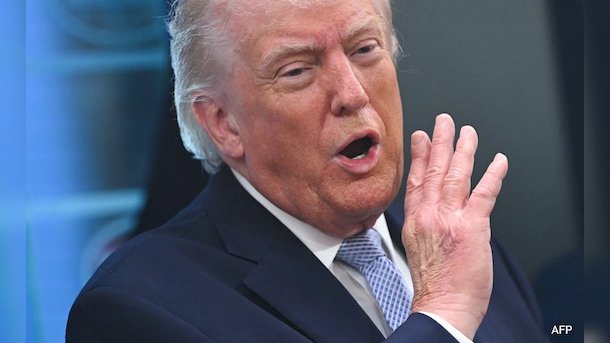
An uncomfortable position to be in, but that is where Pakistan found itself this week after Donald Trump pulled the Abraham Accords off the Oval Office high shelf and pitched them as the means to secure an Iran war exit ramp and execute a 'regional redesign'.
An end to the war would be good news for a world struggling with the energy crisis due to the Strait of Hormuz closure. It would also be good news for Pakistan, which sees itself as a 'key player' in the peace process and will claim partial credit for helping stop the fighting.
But the payoff is complicated.
Trump has chosen to push the Accords - authored in his first term - as the political and diplomatic cornerstone of regional peace. And that means Pakistan, if it wants a seat at that table, must recognise Israel without a 'just resolution' of the Palestine issue. Or it must forgo economic and strategic gains from the Accords to preserve political and ideological doctrines.
The old position
Pakistan's stance on the Accords has been consistent - it will not sign the agreement without concrete steps for the creation of a viable Palestinian state with East Jerusalem as its capital.
Pak Defence Minister Khwaja Asif underlined that point on May 26 when he said: "... I don't think we should join any accord that clashes with our fundamental ideologies... we have a very clear stance that it (failure to establish a Palestinian state with pre-1967 borders) is not acceptable."
That position reflects Pakistan's self-image as a 'champion of the Islamic world' and is fuelled by a domestic ecosystem that includes religious parties and sections of the military, both of whom have political clout and have been conditioned by decades of anti-Israel rhetoric.
That leaves the current Pakistan government - led by Prime Minister Shehbaz Sharif - with little, if any, room to pivot on the Israel and Accords question, or even a backdoor into the Accords.
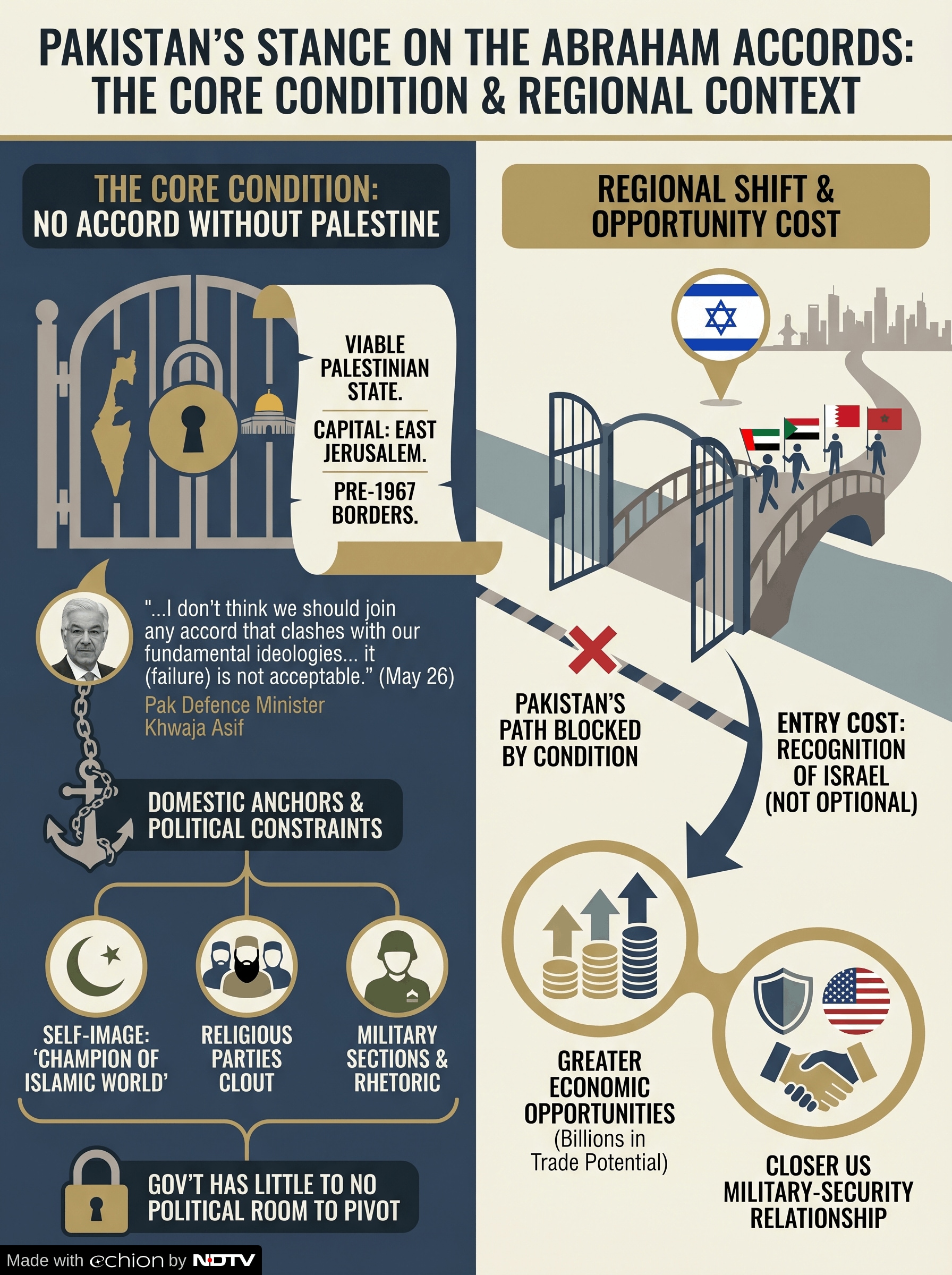
Even if there is room, or a backdoor, it is being eaten into as Sunni Arab states in the Middle East and beyond recalibrate positions on Israel, potentially lining up to join the United Arab Emirates, Bahrain, Sudan, and Morocco in recognising Tel Aviv and pocketing a host of benefits.
These include greater economic opportunities - the potential to jumpstart bilateral trade by billions of dollars - and a closer military-security relationship with the United States.
And the entry cost - recognition of Israel - is not optional.
Saudi Arabia, the 'swing factor'
Riyadh sits at the intersection of two significant political circles of power - Arab legitimacy as the custodian of Islam's holiest sites, and strategic weight from being the largest Gulf economy.
Like Islamabad, Riyadh has also said normalisation of ties with Israel can only begin after 'a clear path to a Palestinian state' is established. And so how it responds to Trump's call could not only reshape Middle East geopolitics, but also force Islamabad down a path it does not want to go.
If Saudi Arabia recognises Israel, then Pakistan, for all its ideological objections, will be hard-pressed to ignore the direction without risking diplomatic and economic isolation.
That means for Trump, Riyadh is the ace up his sleeve.
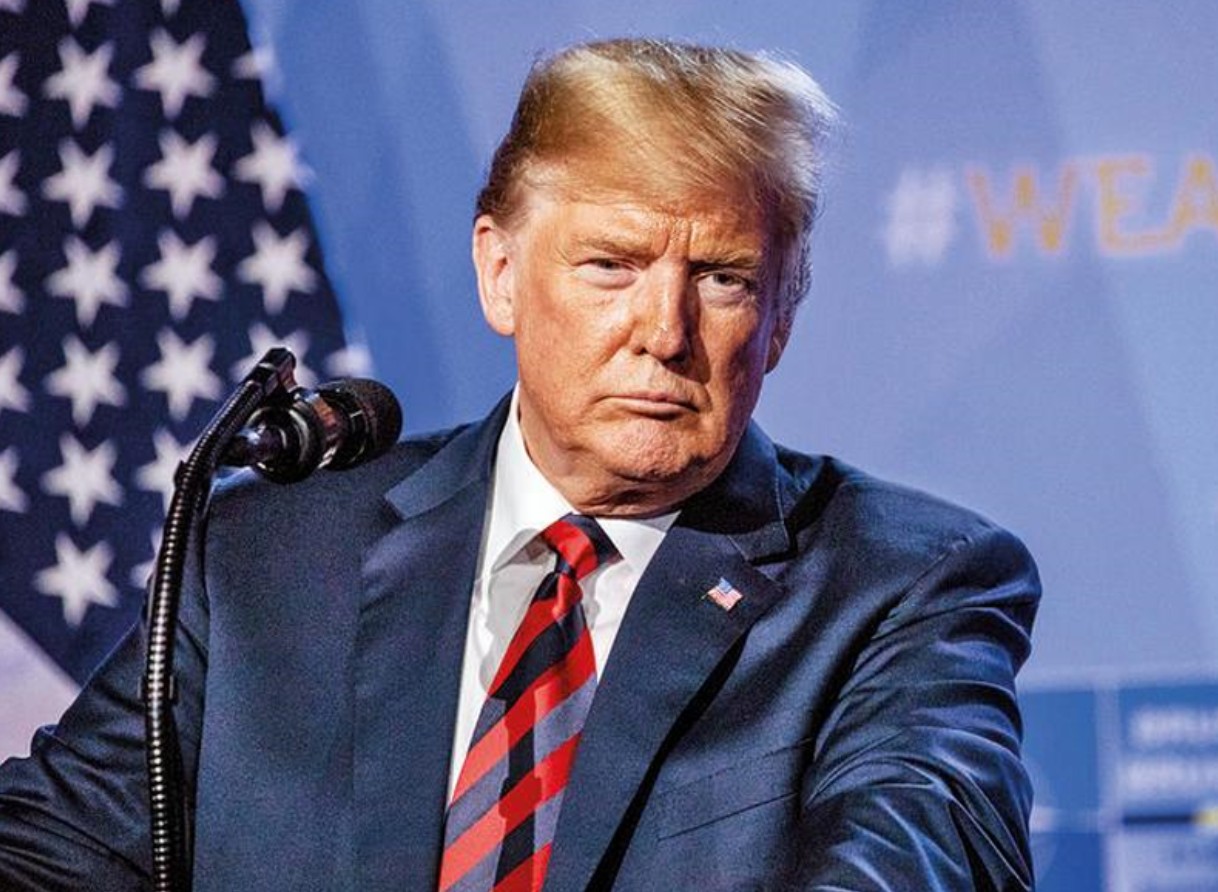
Trump has pushed Abraham Accords 2.0 as an Iran war solution (File)
That said, the mutual defence pact the two countries signed in September 2025 could influence how this plays out, since the deal potentially weakens Trump's 'join or be excluded' diktat.
The US has advertised joining the Accords as a 'precondition' to being part of a (not-yet agreed) peace deal with Iran and, indirectly, an American-Israeli security umbrella.
But the Saudi-Pak deal gives Riyadh access to an alternate arrangement - which includes China by extension - that could make it less reliant on US-Israel guarantees. Of course, this assumes Pak-China military cover can stand up to the US-Israeli option, which experts believe is unlikely.
The presence of an option, however, is enough to give Saudi Arabia some room to resist US pressure to join the Accords. And the longer Riyadh holds out, the more that pressure eases.
For Pakistan, this is golden because it weakens the idea of a united Sunni Arab bloc.
India inside the tent
Meanwhile, for India, it swings the other way. Delhi is already inside the tent, so to speak. It already has close ties with both Israel and key Gulf nations, such as the UAE, Qatar, Bahrain, and Jordan. So it is not being asked to choose.
But Delhi has invested heavily in its relationship with Riyadh and would obviously like that relationship to grow.
That means a Saudi-US-Israel bloc will alter the balance of power in a region that remains critical for India's oil, gas, and fertiliser needs, even though diversification is underway. The risks are not immediate but do represent a possible gradual attrition of a space the government has carefully built and cultivated, both for its energy and trade opportunities.
Ultimately, a Saudi Arabia that declines to join the Accords disrupts the US' plan for a Middle East political, security, and trade architecture that positions Israel at the centre and pushes back the prospect of normalisation without Palestinian statehood.
But a Saudi Arabia that does leaves Pakistan in a fix. Recognise Israel and potentially face domestic backlash, or don't recognise it and Islamabad drops into an 'exclusion zone'.
-
Opinion | Great 'Exceptions': How The Oil India Was Attacked For Is The Oil Trump Now Seeks

A law written to punish the buyers of Russian oil was suspended by the US to protect a purchase of Russian oil. India spent fourteen months being lectured for less.
-
Opinion | Louis Vuitton Loot, Torched Cars: France Protests Have An Unlikely Beneficiary
It's an unbelievable moment. Crowds looting the most exclusive stores in Paris, including the famed Luis Vuitton. But what's behind this meltdown?
-
Blog: Kolkata Didn't Learn From 2015. Eleven Years Later, It Proved To Be Fatal
The City of Joy isn't a stranger to crowd control. Be it during Pujo or Christmas at Park Street, Eden Gardens cricket matches, or Derbies between Mohun Bagan and East Bengal. But during Pujo, the entire city is on alert.
-
Opinion | Slurs, Threats, Now A Temple Attack Plot: When Did America Become So Hostile To Indians?
The rising tide of anti-India, anti-Hindu, and racist attacks serves as a stark reminder that economic prosperity does not automatically guarantee social immunity from bigotry.
-
A Step Behind Neha Bora: What Rahul Gandhi's Gesture Says About Congress' Gen-Z Pitch
At INDIA bloc's march to Supreme Court, Rahul Gandhi placed himself a step behind two women, hands resting on their shoulders. One was his sister Priyanka. The one on his right was Neha Bora. Here's what the image means for the protest wave now, and for Rahul's politics in general.
-
Opinion | Imran Khan, And The Perils Of Having An 'Opinion' In Bollywood
The reality of the industry is quite grimy. More often than not, its inhabitants have been fairweather friends, happy to sing the praises of whoever is in a position of authority.
-
Exclusive: India's Food Safety Problem Goes Beyond Just Dirty Kitchens - By Tukaram Mundhe
On World Food Day, Maharashtra's Commissioner of Food Safety explains why instead of taking stopgap measures, the entire supply chain in India needs to be held accountable and made transparent.
-
Opinion | India Has Enough Coal. So Why Are Power Plants Running Short? A 76 Million 'Crunch'
As of October 5, as many as 82 of the 191 thermal plants monitored by the Central Electricity Authority were in the 'critical' category
-
Opinion | Starlink, India, And Why Elon Musk Must Know His Billionaire Tantrums Won't Work
India should neither be intimidated by Musk's global influence nor distracted by his theatrics.
-
Blog | 'Baap Da Brat': Kerala Mini Cooper Crash, And Why 'Daddy' Can't Keep Saving You
There are three things you should never underestimate in India: the power of 'jugaad', the elasticity of the law, and the confidence of a 'Baap da Brat' who believes his Papa Posh can fix absolutely anything.