

)
The United States Food and Drug Administration (FDA) is set to reclassify around 14 previously restricted peptides following a 27th February 2026 announcement. These substances are short-chain amino acids that support the skin's natural processing systems. Peptides function as stimulants for collagen production, make the skin more elastic, reduce inflammation, act as antioxidants, and help maintain the skin barrier. The recategorisation of the once-restricted peptides has major implications for skincare, regenerative medicine, sports medicine, and therapies that focus on anti-ageing.
These peptides were restricted due to their potential health risks involved with their usage. The FDA moved 19 such peptides to Category 2, which were restricted for use between 2023 and 2024. The main concerns that drove this decision were the insufficient human safety data and possible impact on immune system functioning, toxicity, and the impure nature of the peptides. This gave rise to a grey market with unregulated peptide sales, which were dangerous as they had no oversight on their administration. This created an unsafe market practice with widespread implications that needed to be controlled and revised.
FDA's Categorisation Of Compounds
According to the Peptide Journal, the FDA maintains a set of lists that oversee which substances compounding pharmacies can and can't use. The relevant categories are as follows:
- Category 1: Eligible for compounding under Sections 503A and 503B of the Federal Food, Drug, and Cosmetic Act. Pharmacies can legally prepare these substances with a valid prescription.
- Category 2: Identified as posing "significant safety risks". Compounding is prohibited.
- Category 3: Insufficient data to evaluate. Under ongoing review.
What's Changing In 2026?
The FDA is working to reclassify about 14 peptides and restore their status to category 1, which includes BPC-157, GHK-Cu, Thymosin Alpha-1, AOD-9604, Selank, Semax, and MOTS-C.
While 5 peptides are likely to remain restricted are Melanotan II, GHRP-2, GHRP-6, LL-37, and PEG-MGF.
The main aspect that people need to understand is that the recategorisation of 14 peptides is not equivalent to FDA approval; the access is legal, but the approval needs to be taken for safe administration.
Implications For Skin Care
When it comes to peptide usage, safe skincare practices need to be kept in mind to avoid dealing with the possible side effects. Here are each of the peptides being restored and how each of them can be safely used in skincare products:
- GHK-Cu (Copper Peptide) is responsible for boosting collagen, tissue repair, and offering anti-ageing benefits.
- BPC-157 can be used to support wound healing and gut health and has anti-inflammatory effects.
- AOD-9604 supports fat metabolism and can be used as a potential skin-tightening agent.
These specific peptides can be safely used in skincare products and therapies, but their exact quantity and effect on individual skin types need to be scrutinised.
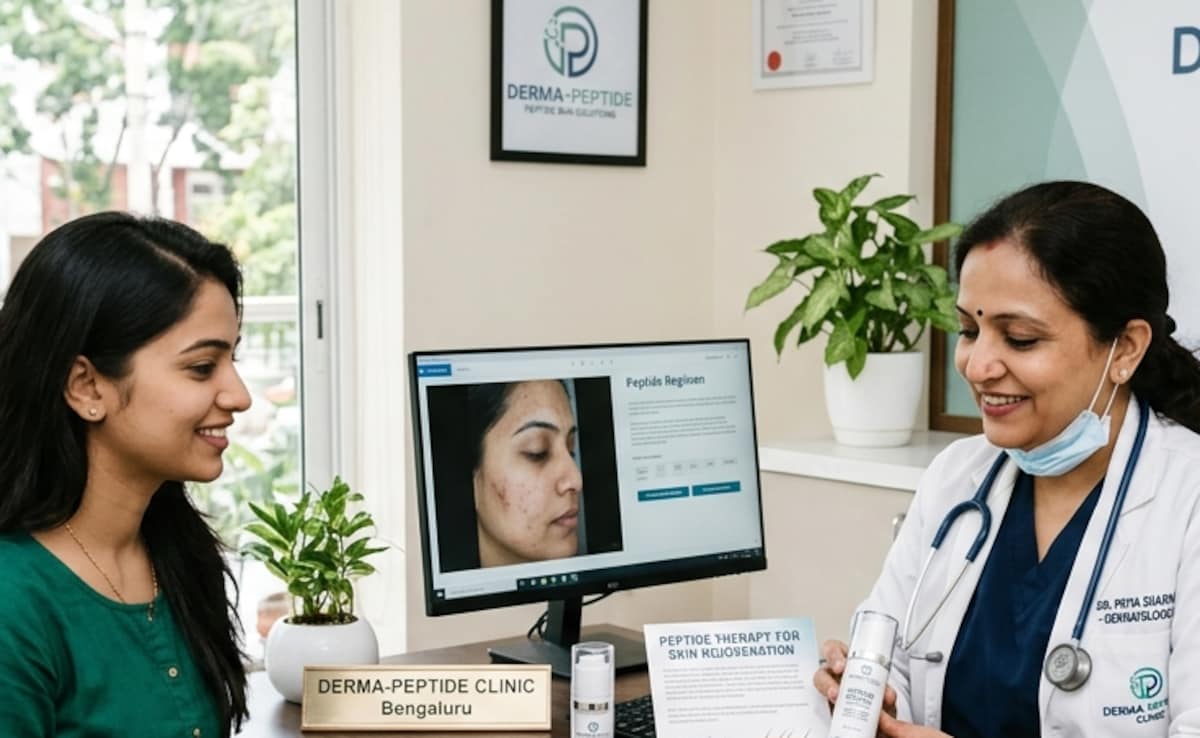
Indian dermatology clinic dispensing peptide treatment( image is for representation purposes only)
Photo Credit: A.I generated image
Risks Involved With Peptide Usage
Peptides should be sourced from a regulated and medically monitored facility to avoid grey market sources that pose a chance of inferior quality products.
- There are significant risks attached to grey market sourcing of peptides, such as possible contamination and mislabelling.
- You need to source them from licensed compounding pharmacies and need physician oversight to be safe.
- An FDA approval process that involves clinical trials is still required for mainstream drug use.
- Patients should monitor FDA compounding updates and consult physicians, specifically dermatologists, before starting therapy with these peptides.
Also Read: Statins Vs Ezetimibe: Which High Cholesterol Drug Lowers Cholesterol With Lesser Side Effects?
What This Means For India
In India, peptides like GHK-Cu (copper peptide) and BPC-157 are gaining traction in dermatology clinics. As these peptides play a role in stimulating collagen production that reduces with age, they facilitate wound healing and function in anti-ageing therapies.
- The reclassification could prompt Indian dermatology associations to revisit their established guidelines around compounded peptides and their use in clinical settings.
- India's Central Drugs Standard Control Organization may take cues from FDA decisions when evaluating peptides for safe use and their legality.
- India would need to establish proper dermatological oversight and compounding standards to prevent misuse or black-market sourcing of inferior quality peptides.
- People who are opting for these peptide-based procedures need to be aware of the risk attached to being safe.
The reclassification marks a turning point for peptide therapy in the skin care and wellness space. Even though the access has been expanded, there is a continued need for medical oversight to make sure safety standards and practices are followed.
Disclaimer: This content, including advice, provides generic information only. It is in no way a substitute for a qualified medical opinion. Always consult a specialist or your own doctor for more information. NDTV does not claim responsibility for this information.