

)
A new study has found encouraging evidence for people diagnosed with melanoma, which is the deadliest form of skin cancer. Researchers have found that a combination of a personalised cancer vaccine and an immunotherapy drug can significantly lower the chances of the disease returning after surgery. This treatment has shown benefits, even after five years of follow-up. The findings were presented by researchers from NYU Langone Health, and published in American Society of Clinical Oncology's Journal of Clinical Oncology.
Melanoma can often return even after the tumours are removed, making long-term protection a major challenge. The new study suggests that combining two immune-based treatments may offer stronger and longer-lasting defense against the disease than existing approaches alone.
Janice Mehnert, MD, study senior investigator, professor, Department of Medicine, NYU Grossman School of Medicine, said, "Our study offers strong evidence to melanoma patients that intismeran vaccine therapy, when used in combination with immunotherapy, can demonstrably reduce their risk of having their cancer return and improve clinical outcomes."
What Did The Study Find?
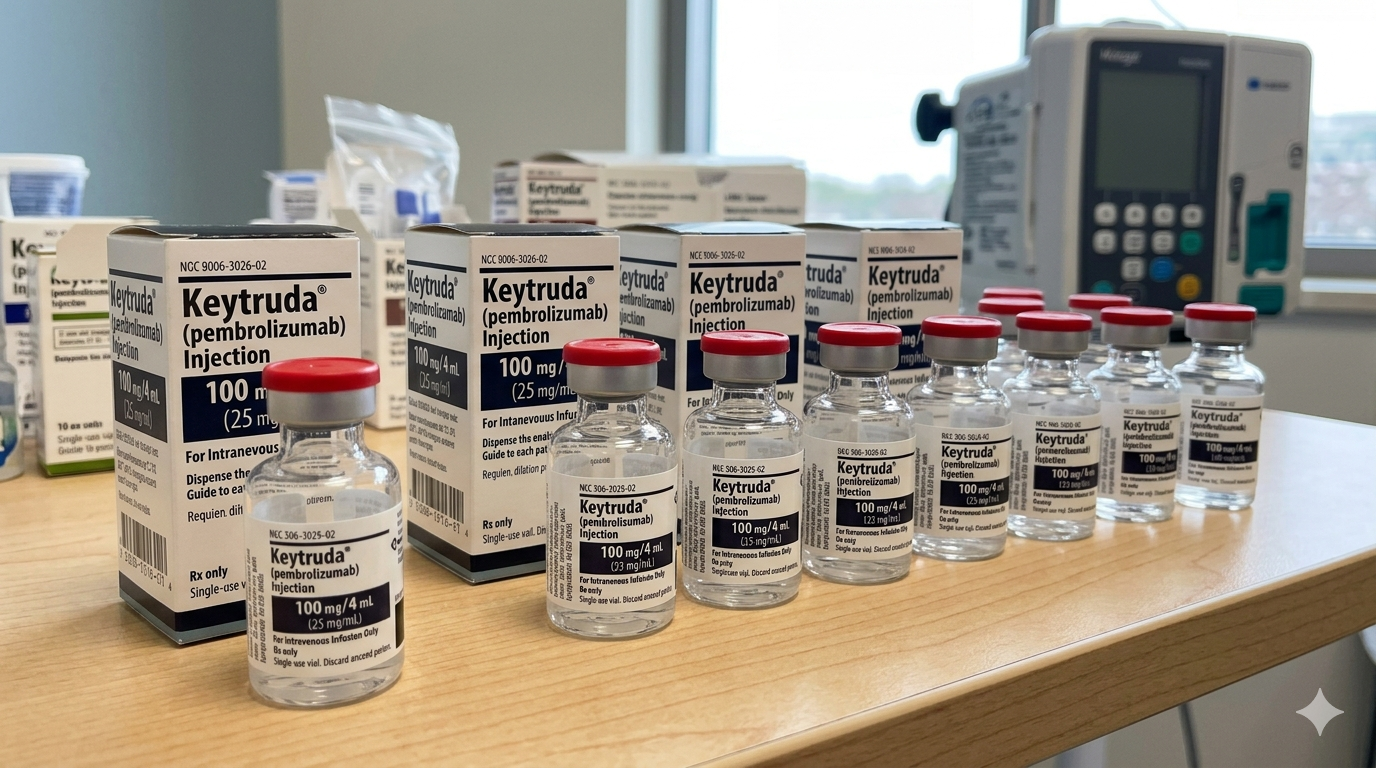
The study found that patients who received a personalised mRNA cancer vaccine along with the immunotherapy drug Keytruda (pembrolizumab) experienced a 49% lower risk of melanoma recurrence or death compared to those who received Keytruda alone. Researchers also found that this benefit remained consistent even after five years, showing that the treatment's effects are durable over time.
The study also found that the combination therapy reduced the risk of distant metastasis, which occurs when cancer spreads to other parts of the body. This reduction was around 59%, which is another promising sign that the treatment may help prevent the disease from becoming more dangerous.
How Does The Treatment Work?
The treatment combines two different approaches that help the immune system recognise and attack cancer cells.
The first is Keytruda, an immunotherapy drug already used to treat several cancers. It works by removing certain barriers that prevent the immune system from identifying cancer cells. Once these barriers are removed, immune cells can attack tumours more effectively.
The second part is a personalised mRNA vaccine known as intismeran vaccine. Unlike usual vaccines that protect against infectious diseases, this vaccine is designed specifically for each patient. Scientists analyse the genetic makeup of a patient's tumour and identify unique markers, known as neoantigens. The vaccine is then created to train the immune system to recognise and target cells carrying those markers.
By combining the vaccine with immunotherapy, researchers believe the immune system can create a stronger and more targeted response against melanoma cells.
The Clinical Trial
The findings come from the Phase 2b KEYNOTE-942 clinical trial, which involved patients with high-risk melanoma that had been surgically removed. The study compared patients who received both the vaccine and Keytruda with those who received Keytruda alone.
A total of 107 patients participated in the trial between 2019 and 2021. Researchers tracked their health outcomes over several years to evaluate how well the treatment prevented recurrence. The long follow-up period is particularly important because melanoma can return years after initial treatment.
After five years, nearly 69% of patients who received the combination therapy remained cancer-free. In comparison, about 49% of those who received only Keytruda showed no signs of cancer. These results highlight the advantage of adding the personalised vaccine to standard immunotherapy.
Why Are These Findings Important
The latest findings provide evidence that personalised mRNA vaccines can play an important role in cancer treatment. Experts believe the results could mark a significant step forward in the use of personalised medicine. Instead of offering the same treatment to every patient, therapies can be designed based on the unique genetic features of an individual's tumour. This approach may improve treatment effectiveness while helping patients avoid unnecessary therapies.
Dr. Mehnert, who also serves as director of the melanoma medical oncology program and associate director of clinical research at Perlmutter Cancer Center, said, "Our findings also serve as encouragement to cancer researchers globally that mRNA vaccines like intismeran could work well in combination with immunotherapy for other cancers whose high rates of mutations have proven difficult to target."
Disclaimer: This content including advice provides generic information only. It is in no way a substitute for a qualified medical opinion. Always consult a specialist or your own doctor for more information. NDTV does not claim responsibility for this information.