

)
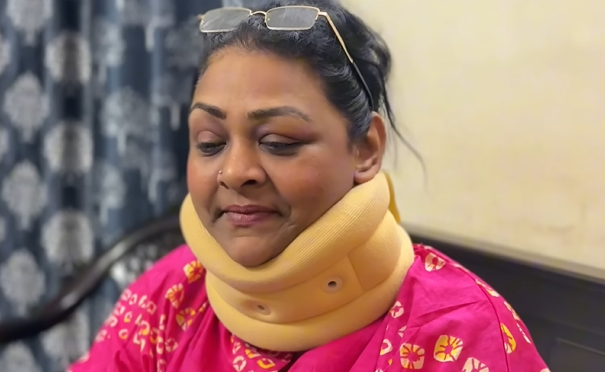
South Indian actor Shakeela recently underwent a neck surgery reportedly costing around Rs 3 lakh after experiencing serious cervical spine-related problems. The actor later opened about her health condition and recovery in a video shared on her YouTube channel after returning home from the hospital. Shakeela's experience has once again drawn attention to an increasingly common problem: spending long hours on smartphones while keeping the neck bent or maintaining the same posture for extended periods. While excessive phone use alone does not mean that a person will eventually require surgery, doctors warn that prolonged poor posture can place repeated stress on the neck, particularly when combined with existing cervical spine problems.
How Can Excessive Phone Use Affect The Neck?
Smartphones have become an integral part of everyday life. People use them for work, entertainment, social media, gaming and communication, often for several hours a day. The problem is not necessarily the phone itself but how it is used. According to Dr Vishal Lapshia, Consultant Orthopedic and Joint Replacement Surgeon, AIMS Hospital, Dombivli, prolonged phone use can contribute to neck-related problems when people keep their head bent forward or maintain an awkward posture for long periods. "When a mobile phone is used for extended hours, particularly while lying on one side or keeping the neck bent for several hours, it can put pressure on the cervical spine and the surrounding muscles," he explains. The head naturally weighs several kilograms. When it is repeatedly tilted forward, the muscles and structures supporting the cervical spine have to work harder to maintain the position.
Doing this occasionally is unlikely to cause major problems. However, maintaining the same posture for hours every day can contribute to muscle fatigue, stiffness and discomfort.
What Is 'Tech Neck'?
The term "tech neck" is commonly used to describe neck pain and stiffness associated with prolonged use of smartphones, tablets, laptops and other devices. When people look down at a phone, the neck remains in a forward-flexed position. This can increase the mechanical load on the muscles and supporting structures of the cervical spine. Over time, some people may experience:
- Neck pain
- Stiffness
- Shoulder discomfort
- Muscle fatigue
- Headaches
- Reduced neck mobility
These symptoms may initially appear mild and disappear after rest. But repeatedly ignoring them can allow an underlying problem to persist or worsen.
Can Phone Use Damage The Cervical Spine?
Excessive smartphone use should not automatically be described as the direct cause of serious cervical spine disease. A person's risk depends on several factors, including age, existing spinal conditions, previous injuries, posture, physical activity and the amount of time spent in an awkward position. Dr Lapshia says people who already have underlying cervical problems may be particularly vulnerable to worsening symptoms when they spend long periods with their neck bent. "In people who already have underlying cervical problems, prolonged poor posture can worsen symptoms such as pain radiating into the shoulder or arm, numbness or weakness," he says. This distinction is important because not everyone who uses a phone for several hours will develop a condition severe enough to require surgery.
When Can A Neck Problem Become Serious?
Neck pain caused by muscle strain can often improve with rest, posture correction, physical therapy and other conservative measures recommended by a doctor. However, persistent or worsening symptoms may sometimes indicate involvement of the nerves or other structures of the cervical spine. Pain that travels from the neck into the shoulder or arm, persistent numbness, tingling or weakness should not simply be dismissed as routine smartphone-related discomfort. Difficulty moving the neck or symptoms that continue despite rest should also be evaluated by a medical professional. Doctors may recommend a physical examination and, depending on the symptoms, imaging tests to identify whether there is an underlying cervical spine problem.
Does Excessive Phone Use Mean You Will Need Surgery?
This is one of the most important points to understand from cases such as Shakeela's. A person may develop neck pain or aggravate an existing cervical spine condition because of poor posture, but surgery is generally considered only in specific situations after medical evaluation. The treatment depends on the underlying diagnosis, severity of symptoms, nerve involvement, and response to conservative treatment. Therefore, it would be misleading to conclude that spending several hours on a smartphone directly leads to a Rs 3 lakh neck operation in everyone. Instead, such cases highlight the importance of recognising prolonged poor posture as one potentially modifiable factor affecting neck health.
How To Use Your Phone Without Straining Your Neck
The good news is that several simple changes can reduce the amount of stress placed on the neck during smartphone use.
Keep The Screen At Eye Level
Instead of constantly looking down, try to bring the phone closer to eye level. This can help reduce prolonged forward bending of the neck.
Avoid Using The Phone For Hours In One Position
Sitting or lying in the same position for several hours can increase muscle fatigue. Change your position regularly and avoid prolonged awkward postures.
Take Frequent Breaks
If you need to use your phone for a long period, take regular breaks. Dr Lapshia recommends avoiding continuous phone use for four to five hours at a stretch and taking breaks after about two hours. Shorter, more frequent breaks may be even better if your work or daily routine requires prolonged screen use.
Avoid Lying On One Side While Using Your Phone
Using a smartphone while lying on one side can place the neck in an uneven position. Try to use the phone while sitting in a comfortable posture with adequate back and neck support.
Pay Attention To Early Symptoms
Do not wait for severe pain before making changes. Neck stiffness, recurring pain or shoulder discomfort after long periods of phone use can be a signal to reassess your posture and screen habits.
When Should You See A Doctor?
Occasional neck discomfort after prolonged screen use may improve with rest and posture correction. However, certain symptoms require medical evaluation. Seek expert advice if you experience persistent neck pain, weakness, numbness, tingling, pain spreading into the shoulder or arm, or difficulty moving your neck. These symptoms can have several causes and should not automatically be attributed to smartphone use. Shakeela's reported neck surgery has brought renewed attention to the health consequences of prolonged smartphone use, particularly the impact of poor posture on the cervical spine. However, excessive phone use should not be presented as a guaranteed cause of cervical spine damage or surgery. The bigger concern is spending long periods with the neck bent, particularly in people who already have underlying spinal problems. Keeping the phone closer to eye level, changing positions regularly, taking breaks and staying physically active can help reduce unnecessary strain. As smartphones become increasingly difficult to avoid, the goal is not necessarily to stop using them it is to use them in a way that protects your neck over the long term.
Disclaimer: This content including advice provides generic information only. It is in no way a substitute for a qualified medical opinion. Always consult a specialist or your own doctor for more information. NDTV does not claim responsibility for this information.