

)
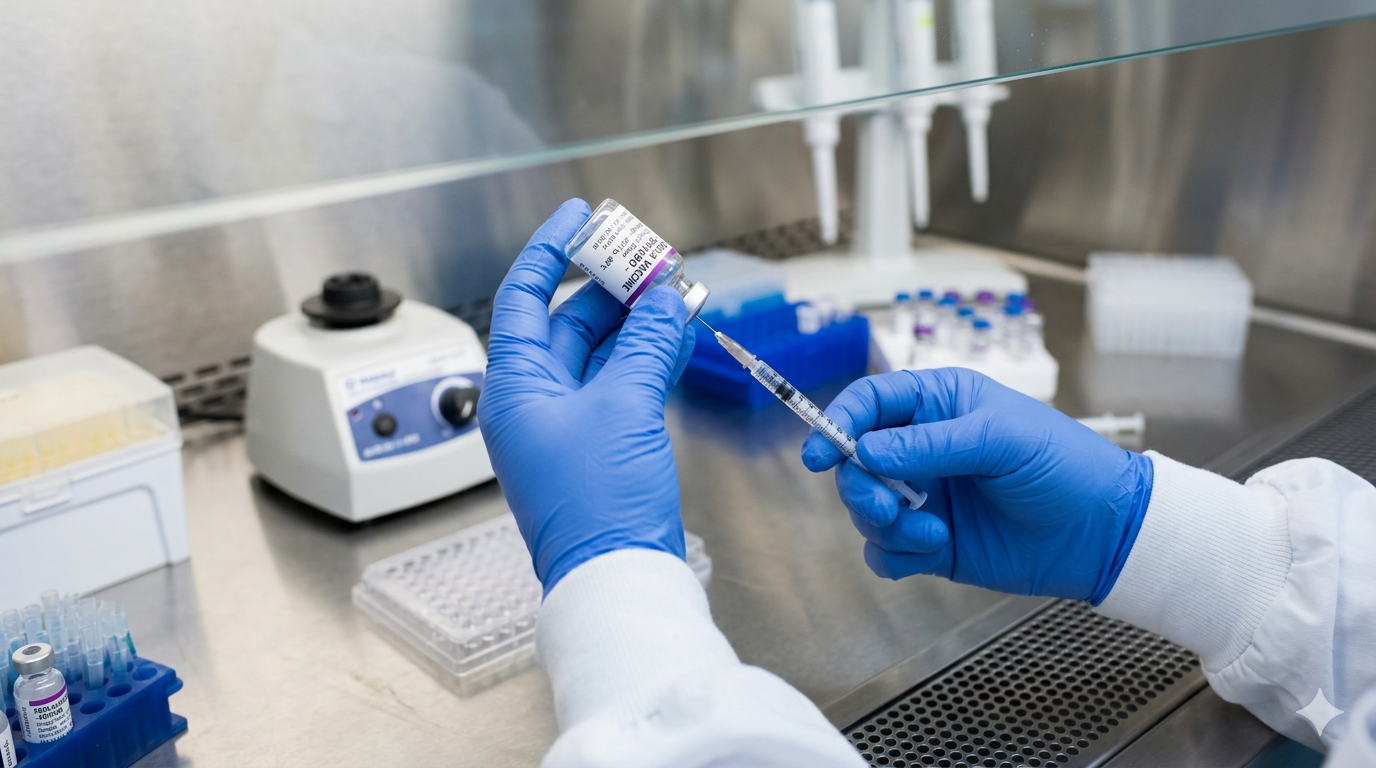
The race to develop a vaccine against the Bundibugyo strain of Ebola has gained fresh momentum as governments, health organisations, and vaccine makers increase funding and research efforts. The urgency comes as outbreaks linked to this rare strain continue to affect Democratic Republic of Congo and Uganda. Unlike the more common Zaire strain of Ebola, Bundibugyo currently has no approved vaccine or specific treatment, making the search for protection a major public health priority.
There have been recent funding announcements which have created optimism among scientists and health officials. Several vaccine candidates are now moving through different stages of development. International organisations, on the other hand, are working to speed up testing and production. However, doctors and infectious disease experts also warn that vaccine development takes time, and early success in laboratories does not always guarantee success in real-world use.
Major Funding Boost
A significant breakthrough came when the Coalition for Epidemic Preparedness Innovations (CEPI) announced around $60 million in support for vaccine development efforts. The funding is being shared among several groups, including Moderna, the University of Oxford, the Serum Institute of India, and the International AIDS Vaccine Initiative (IAVI). Moderna alone could receive up to $50 million for early development and clinical testing of its vaccine candidate.
The financial support is expected to speed up laboratory studies, clinical trials, and manufacturing preparations. Health experts believe that faster funding decisions are crucial during outbreaks because delays can allow the disease to spread further. Additional commitments from organisations such as Gavi and the World Bank's Pandemic Fund are also helping strengthen the global response.
Speaking to Reuters, Stephane Bancel, Moderna Chief Executive in a telephone interview, said, "We have worked on Ebola in preclinical models showing great results. Our goal is to move as fast as we can without compromising safety, and to be as helpful as we can."
Multiple Vaccine Candidates Enter The Race
Several research teams are now moving forward with different approaches. Moderna is developing an mRNA-based vaccine, using technology that became widely known during the COVID-19 pandemic. Early studies have shown promising results in preclinical testing.
Meanwhile, scientists at the University of Oxford are developing a vaccine based on the same technology used for COVID-19 vaccines. The project is being supported by CEPI, while the Serum Institute of India is expected to help manufacture doses. Researchers hope this partnership can speed up production if the vaccine proves effective.
Russia has also announced that its scientists have developed a vaccine targeting the new Ebola strain. While the announcement has attracted attention, independent scientific data and peer-reviewed results are still awaited before experts can fully evaluate its effectiveness.
WHO Pushes For Faster Action
The World Health Organization (WHO) has moved to evaluate possible vaccines and treatments. It recently brought together international experts to review available scientific evidence and identify the most promising options. Since there's no approved medical product for this strain, the organisation wants promising candidates to move into clinical testing as soon as possible. The goal is to shorten the time needed to launch clinical studies while maintaining safety standards.
Health officials say the need is urgent because the current outbreak has grown rapidly. Hundreds of confirmed and suspected cases have been reported, and the disease remains difficult to track in conflict-affected regions. Challenges such as population movement, limited healthcare access, and security concerns continue to complicate containment efforts.
Why Doctors Urge Caution
Despite the encouraging developments in vaccines and treatment options, doctors stress that vaccine development is rarely straightforward. A vaccine that performs well in animals or early human studies may still face challenges during larger trials. Safety, effectiveness, dosage requirements, and manufacturing quality all need to be carefully evaluated before approval.
Experts also note that no approved vaccine currently exists for the Bundibugyo strain. Even with accelerated research programs, some candidates may require several more months of testing before they can be widely used. WHO officials have indicated that the most promising vaccines could still take time to reach outbreak areas.
Disclaimer: This content including advice provides generic information only. It is in no way a substitute for a qualified medical opinion. Always consult a specialist or your own doctor for more information. NDTV does not claim responsibility for this information.