

)
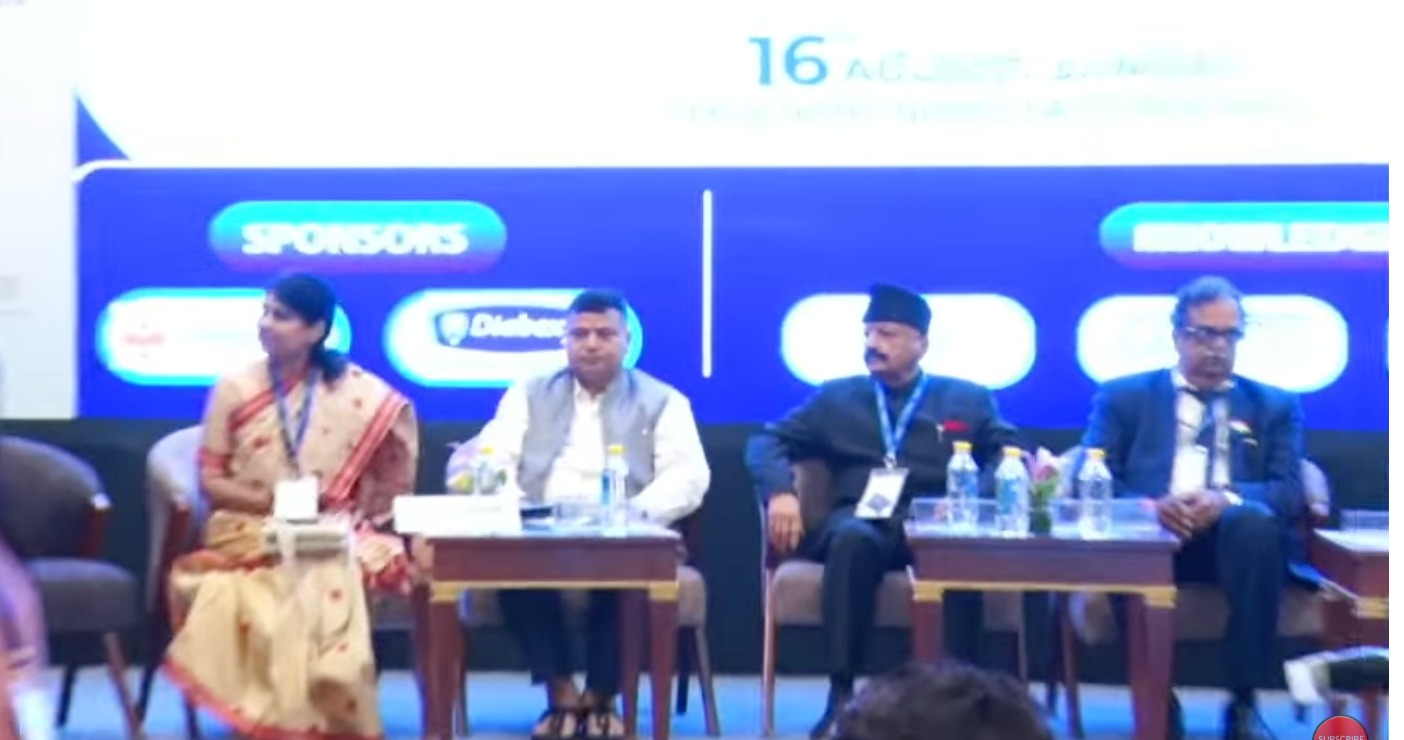
Artificial intelligence is rapidly moving from research labs into hospitals, medical classrooms and healthcare systems. But as India prepares for wider adoption, healthcare leaders say one principle must remain non-negotiable: AI can assist doctors, but responsibility for patient care must remain human. At a National Consultation on AI Readiness for Healthcare, Education & Research in New Delhi on August 16, experts discussed how India can prepare medical institutions, students and faculty for responsible AI adoption. The consultation, organised under the National Medical AI Mission (NMAIM), concluded with the Delhi Declaration on AI Readiness in Healthcare, Medical Education & Research.
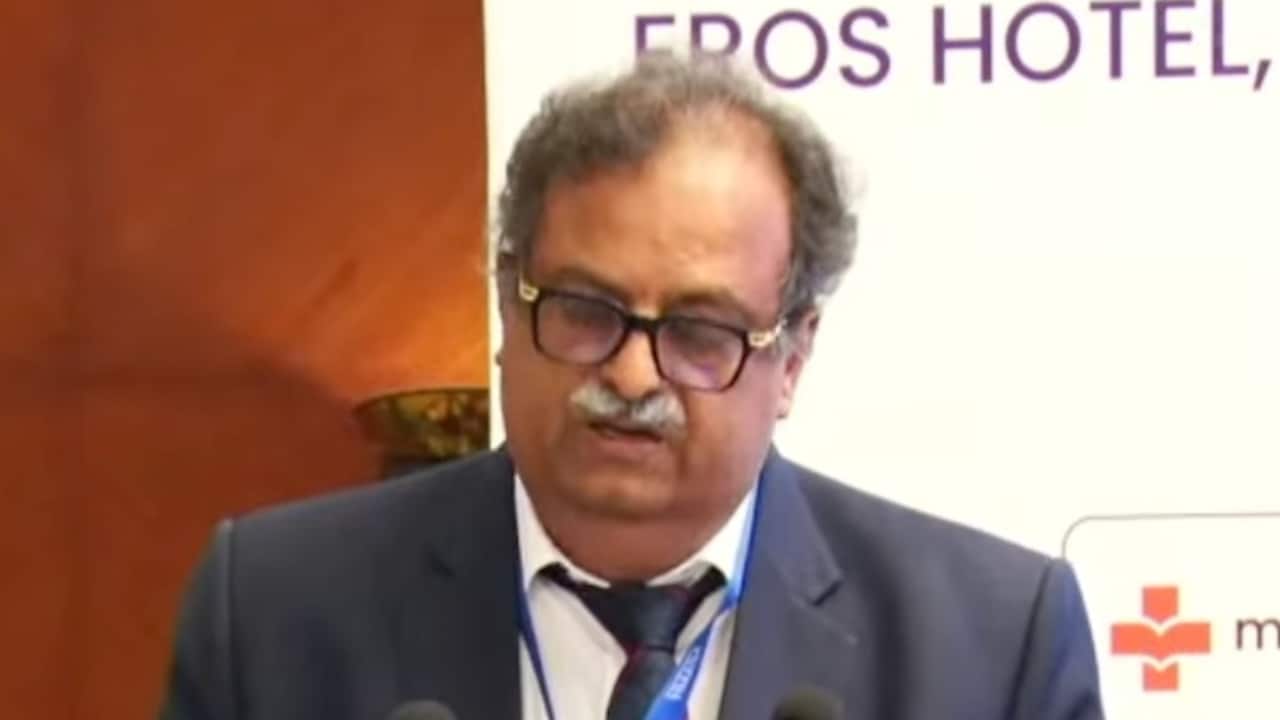
Dr Abhijat Sheth, President, National Board of Examinations in Medical Sciences (NBEMS), said, "AI should augment the doctor, not replace the doctor." He stressed that medical professionals must understand AI's limitations, including bias, errors and the risk of over-relying on algorithmic outputs.
India needs AI built for Indian healthcare
Dr Sheth said India's AI systems must be supported by Indian datasets, validation and evidence, so that tools reflect the country's diverse population and healthcare realities.
The consultation also called for AI education to become part of medical training. At the undergraduate level, this could include AI-assisted clinical reasoning, medical imaging, evidence synthesis, research methodology and clinical decision support. Postgraduate training could focus on specialty-specific applications.
Faculty training will be equally important, with medical teachers needing skills to use AI in teaching, assessment, research and critical appraisal.
AI must prove clinical value
Dr Sheth also cautioned against judging healthcare AI by technological sophistication alone. Tools must demonstrate scientific and clinical value before widespread adoption.
Dr Raj Bhushan Choudhary, Union Minister of State for Jal Shakti, said AI should be viewed as an enabler rather than a replacement for doctors. "AI will not replace doctors, but doctors who know how to use AI may be better equipped than those who do not," he said. He also highlighted India's opportunity to develop AI suited to its disease burden, languages and rural-urban diversity.
Research and ethics at the centre
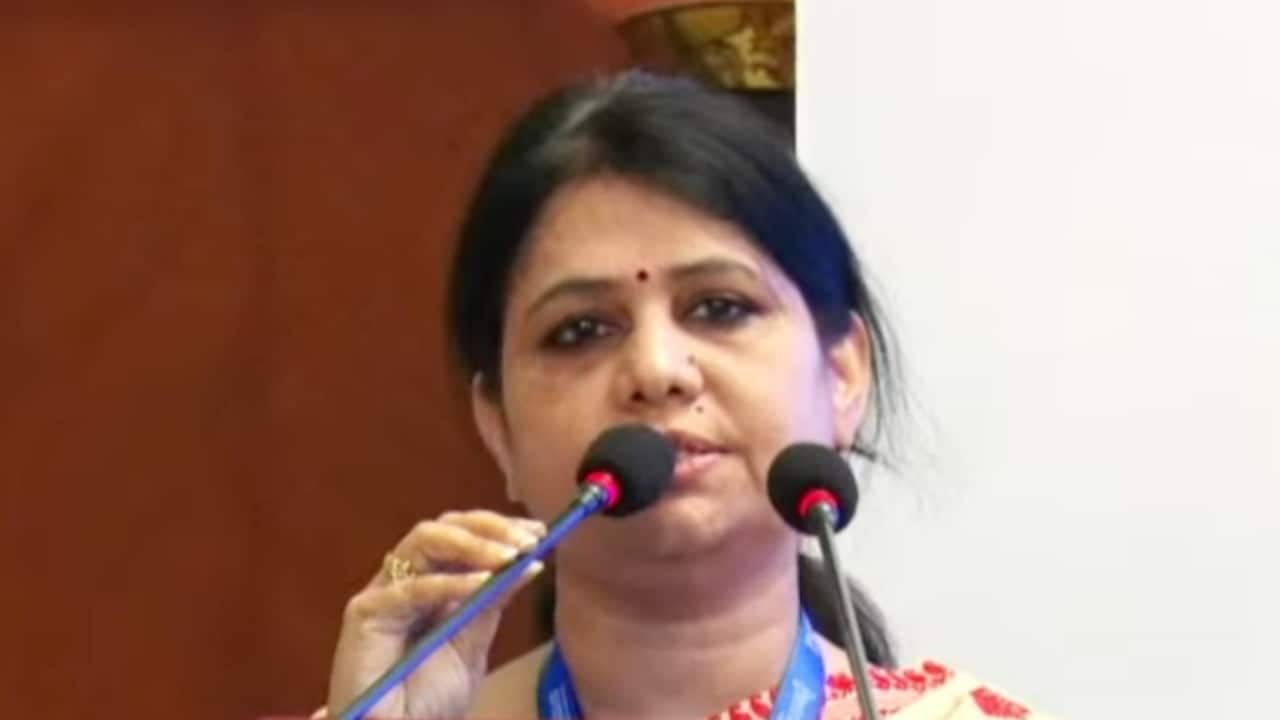
Dr Sanghamitra Pati, Additional Director General, ICMR, highlighted infrastructure, skilled human resources and ethical governance as essential for an AI-ready healthcare ecosystem. "Whatever purpose we are using AI for, there will be two outputs: better physicians for tomorrow and better healthcare for our people," she said.
AI could support areas including big-data analysis, genomic research, drug discovery and personalised medicine, but experts stressed that these applications require robust evidence, governance and patient-centric safeguards. The consultation's central message was clear: India's healthcare AI journey must combine innovation with clinical judgement, accountability, ethics and human empathy.
Disclaimer: This content including advice provides generic information only. It is in no way a substitute for a qualified medical opinion. Always consult a specialist or your own doctor for more information. NDTV does not claim responsibility for this information.