

)
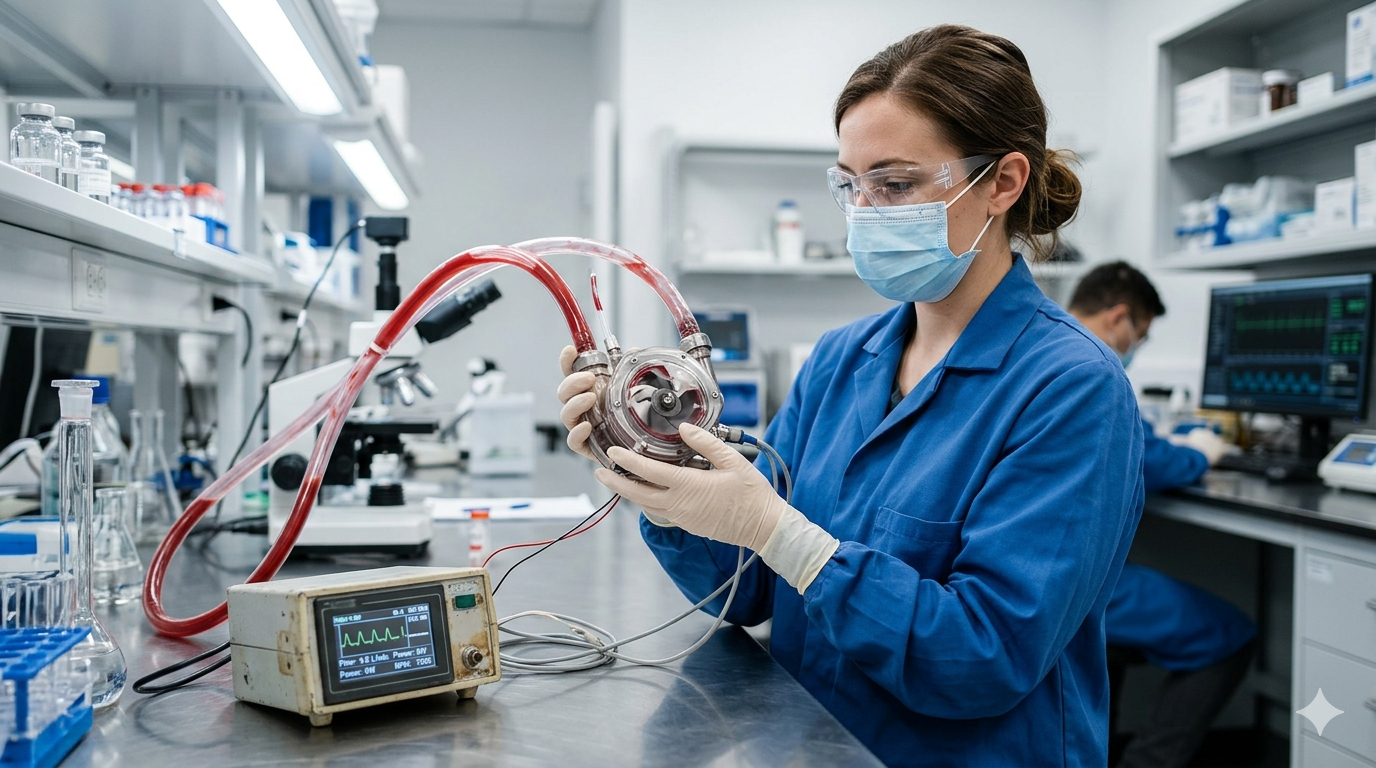
A pioneering wearable treatment for heart failure could soon change how millions of patients around the world receive care. Researchers from the University of Glasgow have found that a small wearable mini-pump delivering medication under the skin allows many heart failure patients to leave hospital earlier and safely continue treatment at home. The breakthrough comes from the landmark SUBCUT HF II clinical trial, presented at the European Society of Cardiology Heart Failure Congress 2026 in Barcelona and simultaneously published in the European Journal of Heart Failure.
The study showed that patients using the wearable device were discharged almost five days earlier than those receiving conventional hospital-based treatment. The findings may be especially relevant for India, where cardiovascular disease remains the leading cause of death and overcrowded hospitals face rising numbers of heart failure admissions. According to the World Health Organization (WHO), cardiovascular diseases account for nearly 28% of all deaths in India.
Experts believe home-based heart failure care could ease pressure on healthcare systems while improving patients' quality of life.
What Is The New Wearable Heart Failure Pump?
The new treatment combines a wearable mini-pump with a skin-friendly formulation of furosemide, a commonly used diuretic medication that helps remove excess fluid from the body. The device works similarly to wearable insulin pumps used in diabetes management. It slowly administers medication under the skin through a small portable pump attached to the body.
Heart failure patients often develop fluid overload, causing breathlessness, swelling and fatigue. Traditionally, these patients require intravenous diuretics delivered in hospital over 9-10 days. The new approach allows patients to begin treatment in hospital and then continue therapy safely at home after initial monitoring and training.
Researchers say the innovation represents a major shift from prolonged inpatient care toward remote and home-based cardiac treatment.
Also Read: A Simple Blood Test May Detect Hidden Heart Failure In Diabetes Patients Early
What Did The Study Find?
The SUBCUT HF II trial recruited 172 patients across 20 hospitals in the United Kingdom. Participants admitted with worsening heart failure due to fluid overload were randomly assigned to:
- standard hospital-based intravenous treatment, or
- treatment using the wearable subcutaneous mini-pump.
The results showed:
- Patients using the wearable device were discharged approximately five days earlier
- Recovery outcomes were similar to standard treatment
- Patients were not more likely to become unwell after discharge
- Most participants found the device easy to use at home
Researchers also noted high patient satisfaction and strong treatment adherence. Lead investigator Dr Ross Campbell, Clinical Senior Lecturer at the University of Glasgow, said the findings demonstrated that patients could safely manage heart failure therapy at home with appropriate support.
Why This Matters For India
India faces a growing burden of heart failure linked to hypertension, diabetes, obesity and coronary artery disease. The Indian Heart Journal estimates that nearly 8-10 million Indians may be living with heart failure, though precise national data remains limited.
Hospital admissions related to heart failure are also increasing steadily, particularly in urban centres with ageing populations. Experts say innovations like wearable diuretic pumps could offer several advantages in India:
- Reduced hospital overcrowding
- Lower inpatient healthcare costs
- Improved patient comfort
- Better access for rural patients
- Reduced risk of hospital-acquired infections
The technology may be particularly useful in tertiary care centres that frequently operate under bed shortages during peak cardiovascular admission periods. The Indian Council of Medical Research (ICMR) has repeatedly highlighted the rising burden of non-communicable diseases, especially cardiovascular illnesses, across the country.
How Does Home-Based Heart Failure Care Work?
Patients selected for the therapy first undergo stabilisation in hospital. Doctors and nurses then train patients or caregivers to:
- operate the wearable pump,
- monitor symptoms,
- recognise warning signs,
- manage medication safely at home.
The pump continuously delivers furosemide under the skin, helping remove excess fluid without requiring intravenous hospital treatment. Researchers say careful patient selection remains important. The treatment is intended for clinically stable patients who no longer require intensive inpatient monitoring. The growing use of telemedicine and remote monitoring technologies may further support such home-based cardiac care models in the future.
Experts Say The Shift Could Transform Heart Failure Care
Heart failure is among the leading causes of repeated hospital admissions globally. According to the European Society of Cardiology, the condition affects more than 64 million people worldwide. Researchers believe wearable drug-delivery systems may fundamentally change how hospitals manage chronic cardiac disease.
Professor Mark Petrie of the University of Glasgow, co-lead author of the study, said the trial demonstrated how safe and practical the device was for home use. Patients involved in the study also reported feeling more comfortable recovering at home with family support instead of spending prolonged periods in hospital.
Also Read: High Blood Sugar Levels? Here's What You Should Do To Maintain Your Heart Health
Could This Become Common In Future?
While the findings are promising, experts caution that larger international studies and long-term follow-up data are still needed before widespread adoption.
Healthcare systems would also require:
- training programmes,
- remote monitoring infrastructure,
- patient education systems,
- emergency support protocols.
However, cardiologists say the trial signals an important move toward decentralised cardiac care, especially as healthcare systems globally face rising chronic disease burdens. For countries like India, where cardiovascular disease rates continue to climb rapidly, home-based innovations may become increasingly important in reducing hospital strain while improving patient outcomes.
The SUBCUT HF II trial marks a potentially transformative moment in heart failure care. By allowing suitable patients to continue treatment safely at home using a wearable mini-pump, researchers believe healthcare systems can reduce hospital stays without compromising recovery.
As India confronts rising cardiovascular disease and mounting pressure on hospitals, wearable home-based therapies may offer a glimpse into the future of cardiac care, one that is more patient-friendly, cost-effective and accessible.
Disclaimer: This content including advice provides generic information only. It is in no way a substitute for a qualified medical opinion. Always consult a specialist or your own doctor for more information. NDTV does not claim responsibility for this information.