

)
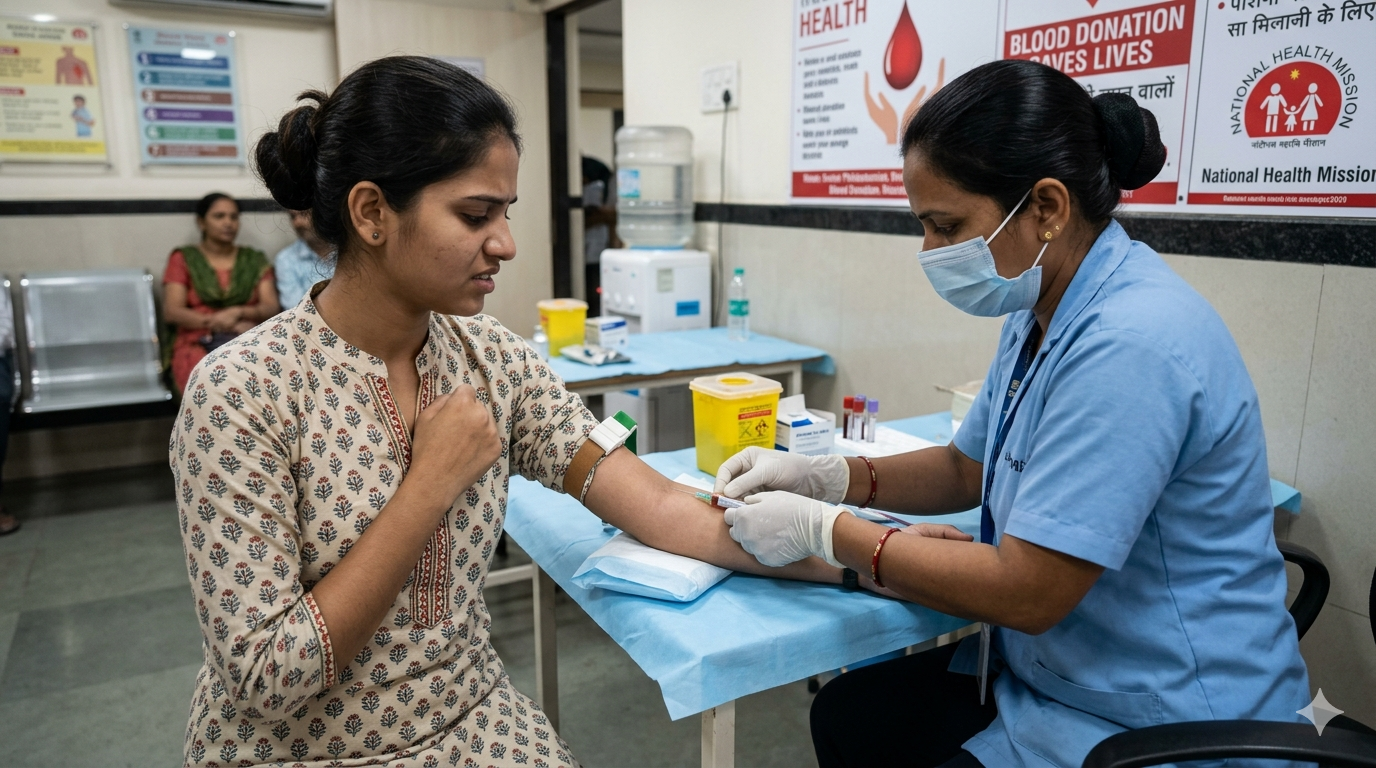
A simple blood test could transform how heart failure is detected in people living with diabetes, according to new research by the University of Glasgow, presented at the American College of Cardiology (ACC) Conference. The findings from the TARTAN-HF trial suggest that a targeted screening strategy using a widely available biomarker test could uncover a large number of undiagnosed cases, many of which would otherwise go unnoticed until complications arise.
Heart failure is a common yet often underdiagnosed complication of diabetes. According to the World Health Organization (WHO), cardiovascular diseases are the leading cause of death worldwide, and people with diabetes face a significantly higher risk of developing heart-related conditions. What makes heart failure particularly challenging is that its symptoms, such as fatigue, breathlessness, and swelling, are often non-specific and can be mistaken for other health issues. As a result, diagnosis is frequently delayed, limiting opportunities for early intervention.
The TARTAN-HF trial offers promising evidence that routine screening using a simple blood test could change this narrative, enabling earlier diagnosis, timely treatment, and better long-term outcomes for high-risk patients.
The TARTAN-HF Trial: A Breakthrough In Early Detection
The TARTAN-HF trial, a large multi-centre randomised controlled study listed on ClinicalTrials.gov, evaluated whether screening for heart failure in people with diabetes could improve diagnosis and outcomes.
The study involved more than 700 participants with diabetes who also had at least one additional risk factor for heart failure, such as a history of heart attack or kidney disease. Participants were randomly assigned to either undergo screening or continue with usual care.
The results were striking:
- Nearly one in four (24.9%) participants in the screening group were diagnosed with heart failure within six months
- In contrast, only 1% of those receiving usual care were diagnosed
These findings highlight the large burden of undetected heart failure among people with diabetes.
How The Screening Works
The screening strategy used in the trial combines a blood test with imaging. The first step involves measuring levels of NT-proBNP, a biomarker that indicates how much strain the heart is under. Patients with elevated levels are then referred for echocardiography (heart ultrasound) to confirm diagnosis.
Experts explain that this approach is both simple and practical because NT-proBNP testing is already widely available in clinical settings. Dr Kieran Docherty, Clinical Senior Lecturer at the University of Glasgow, said: "Our results from the landmark TARTAN-HF trial show that we identified heart failure in a large proportion of people living with diabetes, emphasising the need for a heart failure screening strategy in this group of patients."
Why Heart Failure Often Goes Undiagnosed
Heart failure symptoms can be subtle and easily overlooked, especially in people already managing chronic conditions like diabetes. Dr Docherty noted: "We know that many of the symptoms and signs of heart failure are non-specific and may go unrecognised as potentially being due to heart failure for a long time."
According to the National Heart, Lung, and Blood Institute, early symptoms such as fatigue, mild breathlessness, or reduced exercise tolerance are often mistaken for ageing or lifestyle-related issues. This delay in diagnosis can prevent patients from receiving timely treatment, increasing the risk of complications.
Improved Outcomes With Early Detection
One of the most important findings of the TARTAN-HF trial is that early detection leads to better outcomes. Participants in the screening group were:
- More likely to receive appropriate treatment, including SGLT2 inhibitors
- Less likely to be hospitalised or die from heart failure
Specifically, the study found:
- A 55% reduction in risk of hospitalisation or death in the screening group compared to usual care (3.1% vs 6.8%)
SGLT2 inhibitors, a class of drugs initially developed for diabetes, are now recommended by global guidelines for heart failure management.
Dr Docherty added: "The strategy used in our trial is simple and easy to implement in clinical practice and will aid in the early identification of heart failure in people with diabetes and facilitate the initiation of medications that we know improve outcomes."
A Hidden Form Of Heart Failure
Interestingly, most of the heart failure cases detected in the study had preserved ejection fraction (HFpEF), a type that is particularly difficult to diagnose without specialised testing.
The European Society of Cardiology notes that HFpEF accounts for nearly half of all heart failure cases and is commonly associated with diabetes, obesity, and ageing. Because it often lacks obvious structural changes in the heart, it is frequently missed in routine clinical evaluations.
Implications For Diabetes Care
The findings suggest that routine screening for heart failure could become a key component of diabetes management. Prof Mark Petrie, co-lead of the study, said: "The results of TARTAN-HF demonstrate that screening for heart failure could significantly benefit people living with diabetes. Identifying heart failure early also allows clinicians to effectively treat patients with the proper drugs."
The study also opens the door to detecting other cardiovascular conditions early, including atrial fibrillation and aortic stenosis.
The Role Of Early Diagnostics
Experts highlight that accessible diagnostic tools like NT-proBNP testing can play a transformative role in improving patient outcomes. Dr Christian Simon, Head of Global Medical Affairs at Roche Diagnostics, said: "These findings demonstrate the transformative power of early, accessible diagnostics like the NT-proBNP blood test. By identifying unrecognised heart failure in people with diabetes, we enable clinicians to initiate appropriate treatments sooner."
The TARTAN-HF trial underscores the critical importance of early detection in managing heart failure among people with diabetes. A simple blood test, combined with targeted screening, has the potential to identify hidden cases, enable timely treatment, and significantly reduce the risk of hospitalisation and death. As diabetes continues to rise globally, integrating such screening strategies into routine care could mark a major step forward in preventing cardiovascular complications and improving patient outcomes.
Disclaimer: This content, including advice, provides generic information only. It is in no way a substitute for a qualified medical opinion. Always consult a specialist or your own doctor for more information. NDTV does not claim responsibility for this information.