

)
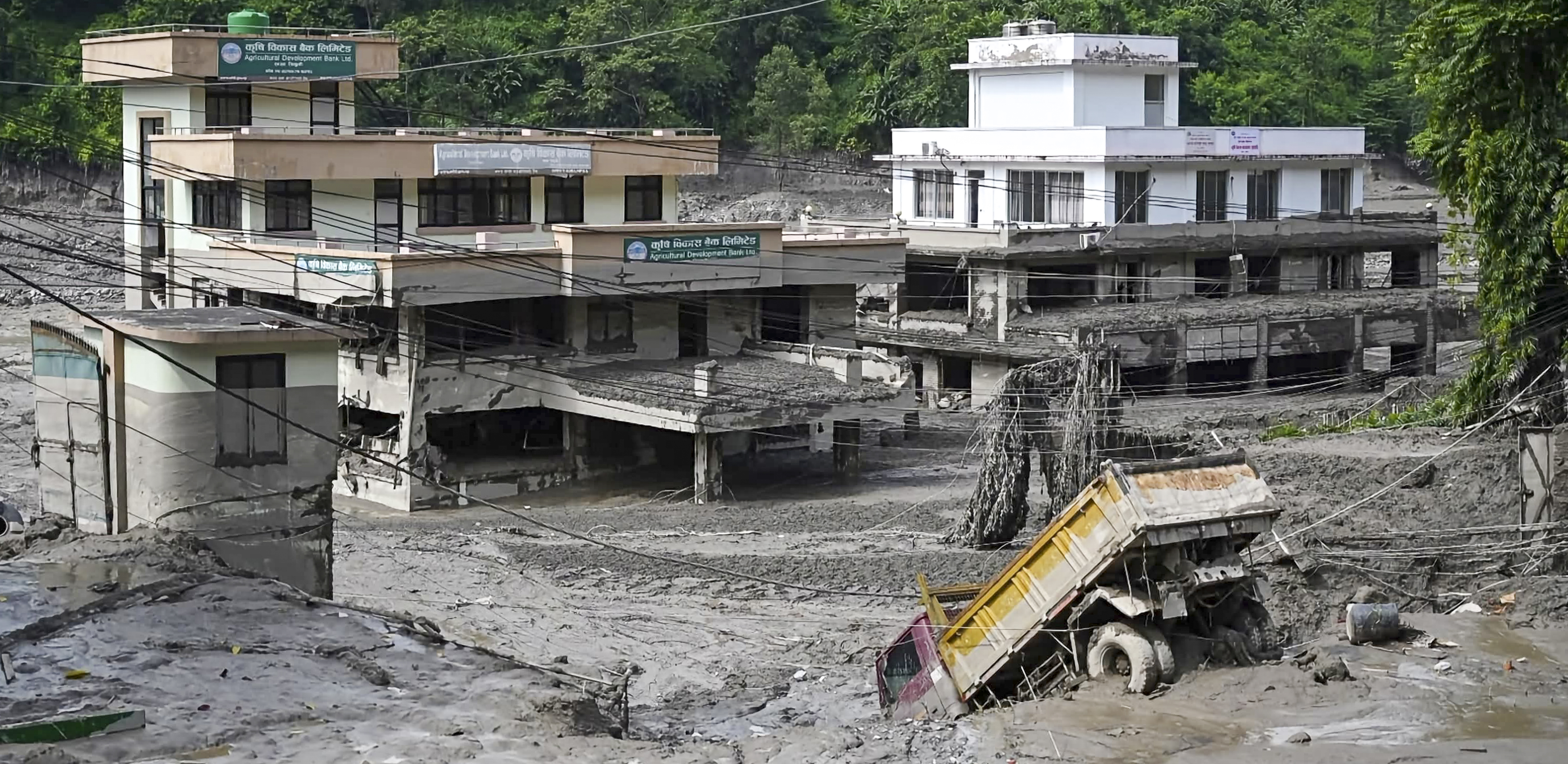
Nepal is facing a devastating flash flood emergency after a sudden disaster struck the Nepal-Tibet border on August 26. The floods swept through parts of Nepal, destroying homes, roads and bridges and leaving a large number of people dead or missing. The disaster was reportedly triggered by the collapse of part of a Himalayan glacier. This led to a powerful flow of water, ice, rocks and debris into downstream areas. Rescue teams are continuing to search for survivors.
While the immediate concern is rescuing people and treating the injured, the health risks of floods can continue much after recede. Floodwater can have sewage, animal waste, chemicals, dirt and other harmful substances. Contaminated water and poor sanitation can increase the risk of infections, particularly when clean drinking water, toilets and healthcare services are disrupted. People living in or travelling through affected areas therefore need to take precautions.
Why Can Floodwater Spread Infections?
Floodwater is not necessarily clean rainwater. As it moves through streets, homes and fields, it can pick up sewage, human and animal waste, chemicals and other contaminants. It may also contain sharp objects or other debris that can cause injuries.
Flooding can also damage water-supply systems and sanitation facilities. This can make it difficult for people to access safe drinking water and maintain hygiene. When people are forced to stay in crowded shelters, infections can also spread more easily.
There are several types of infections that can become a concern after major flooding:
- Diarrhoeal infections: Drinking contaminated water or eating contaminated food can cause diarrhoea, vomiting and stomach cramps.
- Typhoid and other bacterial infections: Poor sanitation and contaminated food or water can allow bacteria to spread.
- Hepatitis A: This infection can spread when food or drinking water becomes contaminated with infected faecal matter.
- Skin infections: Repeated contact with dirty floodwater can cause skin irritation and infections, particularly through cuts and wounds.
- Leptospirosis: Contact with water or soil contaminated by infected animal urine can expose people to this bacterial infection.
- Tetanus: Flood-related injuries, especially deep or dirty wounds, can increase the risk of tetanus if vaccination is not up to date.
Not everyone exposed to floodwater will get sick, but the risk increases when exposure is prolonged or when hygiene and sanitation are poor.
How To Stay Safe During Floods?
1. Avoid Contact With Floodwater
The safest approach is to stay away from floodwater whenever possible. Do not walk, swim or drive through flooded areas unless emergency authorities instruct you to do so. Floodwater may hide electrical hazards, unstable surfaces, sharp objects, sewage and dangerous debris.
If you can't avoid contact, wear protective clothing and waterproof footwear when available. Keep children away from floodwater because they are more likely to touch their face or put contaminated objects in their mouths.
2. Drink Only Safe Water
After flooding, do not assume that tap or well water is safe to drink. Follow instructions from local authorities about whether the water supply has been contaminated. Use bottled, boiled or appropriately treated water for drinking, preparing food, brushing teeth and making baby formula. Avoid using floodwater for these purposes. Food that has come into contact with floodwater should also be discarded. Flooding can contaminate food with bacteria, sewage and chemicals.
3. Take Care Of Cuts And Wounds
Even a small cut can become infected after exposure to contaminated water. Wash wounds thoroughly with clean water and soap and cover them with a clean dressing. Seek medical attention if a wound becomes painful, red, swollen or starts producing pus. People with deep wounds or injuries involving dirty objects should also seek medical advice about tetanus vaccination.
4. Maintain Hand Hygiene
Regular handwashing is particularly important during flood recovery. Wash your hands with soap and safe water after contact with floodwater, before preparing or eating food, and after using the toilet. If soap and water are unavailable, an alcohol-based hand sanitiser can be used when hands are not visibly dirty. However, clean water and soap remain important whenever possible.
5. Watch For Warning Signs
People in flood-affected areas should check for symptoms such as diarrhoea, vomiting, fever, severe stomach pain, skin infections or unusual weakness. Anyone who develops symptoms after exposure to contaminated water should contact a healthcare professional, especially if symptoms are severe or persistent. Young children, older adults and people with weakened immune systems may need attention.
Disclaimer: This content including advice provides generic information only. It is in no way a substitute for a qualified medical opinion. Always consult a specialist or your own doctor for more information. NDTV does not claim responsibility for this information.