

)
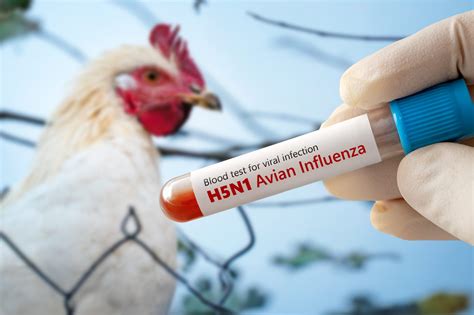
The global health concern around H5N1 bird flu is gaining steam as infected birds have been found in Australia. While the crossover of H5N1 bird flu from infected animals to humans is uncommon, when it happens, it can turn serious. Previously, H5N1 bird flu has been detected in clusters in the United States and other countries and has been spreading since 2021. The risk of multiple species of birds going extinct is imminent, but when it comes to humans and the possibility of transmission, the symptoms and risk factors need to be known. In order to reduce the risk of human-to-human infection, you need to know how it can spread, who is most at risk, and how to keep yourself safe.
What Is H5N1 Bird Flu?
H5N1 bird flu is a type of avian influenza that spreads from infected birds and poultry. In rare cases, it can infect humans and other animals as well. The path of transmission is mostly due to close contact with infected birds or contaminated environments. The symptoms of bird flu tend to mimic those of a common cold, which means that the exact early symptoms of H5N1 bird flu need to be understood.
H5N1 Bird Flu Checklist: Early Symptoms To Watch For
H5N1 bird flu symptoms can start showing up in the host body after close contact with infected birds and need timely medical treatment to stop their progression. The bird flu symptoms in humans when they are early are as follows:
- Fever
- Cough
- Sore throat
- Runny nose
- Fatigue
- Headache
- Muscle aches
More Serious Symptoms
When the virus tends to replicate itself, the symptoms turn into more serious symptoms such as:
- Shortness of breath
- Difficulty breathing
- Chest pain
- Pneumonia
- Severe respiratory illness
When To Seek Medical Help Immediately
The symptoms of H5N1 bird flu can progress fast if they are ignored, like the common cold, and can turn into serious symptoms that need immediate medical attention:
- Breathing difficulties
- Persistent high fever
- Worsening respiratory symptoms
How Does H5N1 Bird Flu Spread?
H5N1 infection can spread after close contact with infected birds, their droppings, or saliva. Other possible modes of transmission can be contaminated environments such as poultry farms and live bird markets. But human-to-human transmission is rare and generally closely tracked when it is detected in birds or poultry to contain the possible risk.
Who Is Most At Risk Of H5N1 Bird Flu?
The people at most at risk from H5N1 bird flu are those who spend most of their time in close contact with birds due to their occupation. Those who are:
- Poultry workers
- Farm workers
- Veterinarians
- Live bird market workers
- Animal rescue staff
- People handling sick or dead birds
- Immunocompromised individuals
What To Do If You Find A Sick Or Dead Bird
If you come into close contact with a sick or dead bird, then you need to follow bird flu safety tips such as:
- Do not touch birds with bare hands, as infection can spread.
- Inform local authorities to make them aware of the possibility of infection.
- Keep pets away, as they can transfer infection to their caretakers.
- Follow public health guidance to be safe.
H5N1 Bird Flu Safety Checklist
Bird flu prevention needs to be rooted in awareness, and you need to follow this safety checklist to minimise your risk of possible infection:
- Avoid direct contact with sick birds to be proactive and inform the authorities who can deal with them.
- Wash hands thoroughly after animal contact to eliminate your risk of H1N9 infection.
- Wear protective equipment if handling birds to avoid getting the viral infection.
- Cook poultry and eggs properly to reduce your risk of a bird flu infection.
- Avoid raw or undercooked poultry products, as they can spread bird flu.
- Clean contaminated surfaces carefully to eliminate further risk of infection.
- Monitor health after exposure to track the progression of any infection.
Can You Eat Chicken And Eggs During A Bird Flu Outbreak?
Yes, you can, but you need to cook them thoroughly and make sure that the health authorities have cleared the chicken and eggs for human consumption. It is always beneficial for people to be extra careful during a bird flu outbreak and practise the necessary safety precautions for bird flu prevention.
Quality and safety standards need to be followed while handling poultry to avoid any chance of infection happening from consumption. By cooking the chicken and eggs completely, the possibility of H5N1 bird flu significantly reduces.
Note: Avoid eating any raw or uncooked poultry or animal products to reduce your H5N1 bird flu risk.
Can Bird Flu Spread From Person To Person?
The Lancet journal documents that bird flu can spread from person to person, even though it is rare. According to the Centre for Disease Control and Prevention (CDC), bird flu can spread via droplets when the viral strain mutates and breaches the natural confines of the ecosystem it circulates in.
Bird flu infection is tracked in real time by health authorities that map each case to track how the virus is behaving in the natural environment. And they take measures to control and protect the species accordingly.
Note: If you suspect a possible bird flu infection in birds, then you need to focus on reporting any cases for tracking.
How Is H5N1 Bird Flu Diagnosed And Treated?
The diagnosis and treatment for the H5N1 virus depend on clinical assessment and exposure history. The early symptoms, such as fever, cough, sore throat, shortness of breath, and pneumonia, need to be considered to diagnose the viral infection.
The current diagnostic testing of H5N1 bird flu is based on RT-PCR testing of respiratory samples. A combination of antivirals is prescribed by a medical professional along with supportive medical care and early intervention methods to timely address medical concerns.
H5N1 bird flu can be avoided if you know the early symptoms and take the necessary precautions to minimise your risk factors.
Also Read: Tai Chi Walking For Weight Loss: The Gentle Exercise Burning Calories Without Stressing Joints
Disclaimer: This content including advice provides generic information only. It is in no way a substitute for a qualified medical opinion. Always consult a specialist or your own doctor for more information. NDTV does not claim responsibility for this information.