

)
The UK Health Security Agency (UKHSA) has reported 207 cases of Salmonella infection, including 199 in England, six in Scotland, one in Wales and one in Northern Ireland. The UK is investigating the outbreak and has been linked to imported eggs. One person has died, while at least 34 people have required hospital treatment. Two patients developed bloodstream infections, which shows that the illness can sometimes become serious.
Investigations suggest that eggs imported from outside the UK and mainly used by restaurants, cafes and other catering businesses could be a potential source. UKHSA said the evidence currently points towards imported eggs, while the Food Standards Agency (FSA) has said there is no evidence that UK-produced eggs are affected. According to a report in The Guardian, Dr Safi Rehman, a research associate at King's College London, said, "This isn't an isolated incident. This outbreak is closely related to one from 2025 that was also linked to imported eggs, with the identified strain genetically similar between the two years."
Health officials have identified five food businesses associated with 24 cases, although these businesses have not been publicly named. The investigation is continuing, including efforts to trace the food supply chain and understand how contamination may have occurred.
What Is Salmonella?
Salmonella is a type of bacteria that can cause an infection called salmonellosis. It commonly affects the digestive system and is usually spread by eating or drinking something contaminated with the bacteria. Contaminated food may look, smell and taste normal, which makes good food hygiene especially important.
Salmonella can be found in foods such as eggs, poultry, meat, unpasteurised milk and some fruits and vegetables. The bacteria can also spread through contaminated water, contact with infected animals or contact with an infected person.
Symptoms Of Salmonella Infection
Symptoms generally develop within several hours to a few days after infection. Common symptoms include:
- Diarrhoea, which can sometimes be bloody
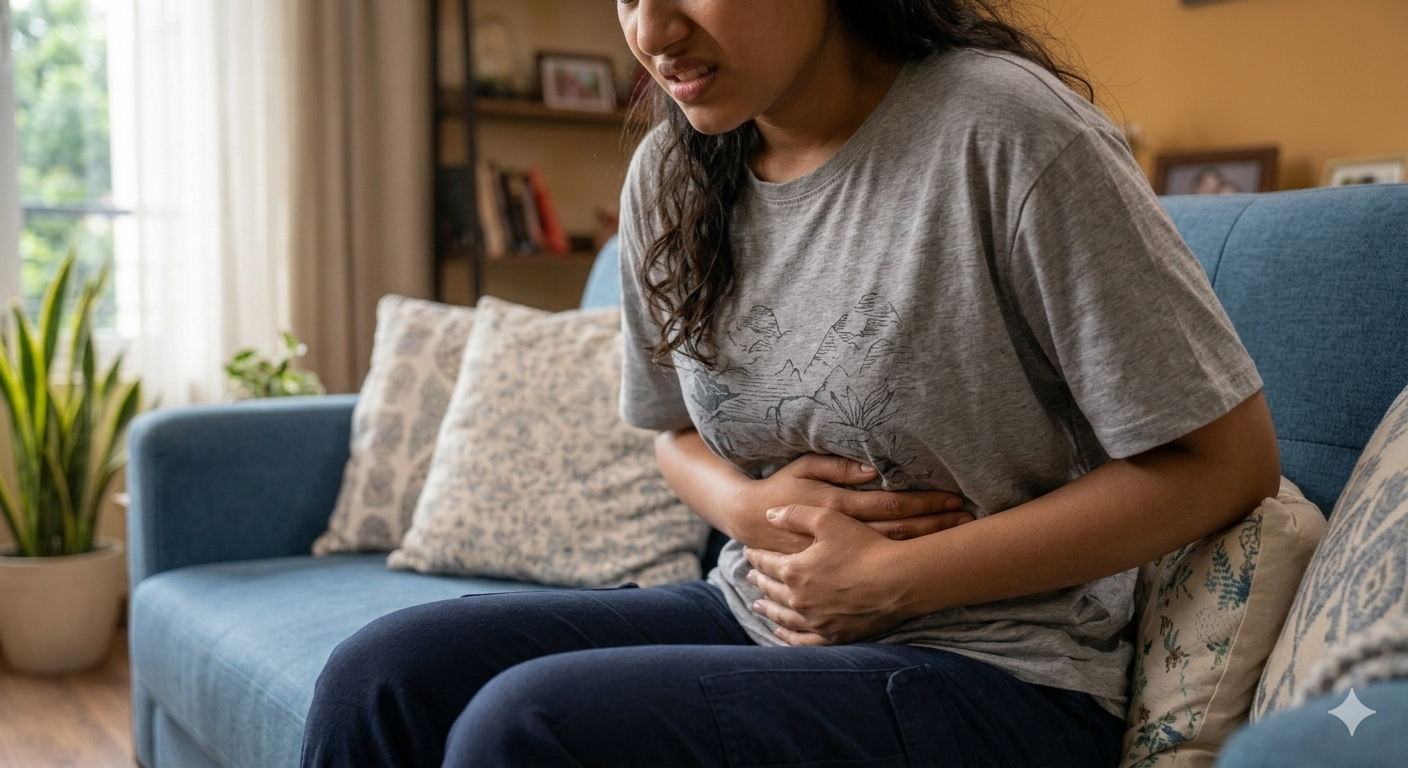
- Stomach cramps or abdominal pain
- Fever
- Nausea
- Vomiting
- Headache or general weakness
According to the CDC, diarrhoea, fever and abdominal cramps are among the most common symptoms, and illness usually lasts around four to seven days. Most people recover without specific treatment. However, diarrhoea and vomiting can cause dehydration. People who are unable to keep fluids down, have severe symptoms, bloody diarrhoea or signs of dehydration should seek medical advice.
What Causes Salmonella Infection?
Salmonella infection usually occurs when a person consumes food or water contaminated with the bacteria. Undercooked eggs and poultry are well-known sources, but other meats, unpasteurised dairy products, fruits and vegetables can also become contaminated.
Cross-contamination is another important cause. For example, bacteria from raw chicken or eggs can spread to cooked food through hands, chopping boards, knives or kitchen surfaces. Salmonella can also spread through contact with animals and their environments.
Who Is At Higher Risk?
Anyone can develop Salmonella infection, but some people have a greater risk of becoming seriously ill. These include:
- Children under five years of age
- Adults aged 65 and older
- People with weakened immune systems
- People with certain long-term medical conditions
- Pregnant people
Young children and older adults may get dehydrated more quickly, while people with weakened immunity are more likely to develop complications.
Possible Complications Of Salmonella Infection
Most Salmonella infections remain limited to the digestive system and improve on their own. In some cases, however, the infection can spread beyond the intestines into the bloodstream or other parts of the body. This can lead to serious, potentially life-threatening illness.
How Can Salmonella Be Prevented?
Simple food-safety measures can reduce the risk of infection:
- Wash hands thoroughly with soap and water before preparing food and after handling raw meat or eggs
- Keep raw and cooked foods separate
- Cook eggs, poultry and meat thoroughly
- Store perishable foods at the correct temperature
- Clean chopping boards, utensils and kitchen surfaces after preparing raw foods
- Avoid unpasteurised milk and dairy products when appropriate
- Wash hands after contact with animals or their surroundings
People with diarrhoea or vomiting should also avoid preparing food for others because infections can spread from person to person.
Disclaimer: This content including advice provides generic information only. It is in no way a substitute for a qualified medical opinion. Always consult a specialist or your own doctor for more information. NDTV does not claim responsibility for this information.