

)
National Bone and Joint Day is observed in India on August 4 every year. The day aims to raise awareness about bone, joint, and spine health. It was started by the Indian Orthopaedic Association (IOA) to encourage people to take better care of their musculoskeletal health and reduce the burden of bone and joint diseases. Healthy bones can help you stay active, maintain balance and also perform everyday activities without pain. While most people focus on heart health or weight management, bone health often gets ignored. It is important to build strong bones early in life and maintain them with healthy habits.
Bone density refers to the amount of minerals, mainly calcium and phosphorus, present in your bones. High bone density makes bones stronger and less likely to break, while low bone density increases the risk of fractures and osteoporosis. Bone density naturally starts declining with age, especially after the age of 30. Women are at a higher risk after menopause due to a sharp drop in oestrogen levels, but men can also develop weak bones. However, healthy lifestyle choices, regular exercise, and a balanced diet can help improve bone strength and slow bone loss. Here are some ways to improve your bone density and prevent osteoporosis.
Ways To Improve Bone Density, Prevent Osteoporosis
1. Eat Enough Calcium Every Day
Calcium is the primary building block of bones. Adults should include calcium-rich foods in their daily diet to maintain bone strength. Milk, curd, cheese, paneer, ragi, sesame seeds, almonds, tofu, and green leafy vegetables are good sources of calcium. If dietary intake is inadequate, your doctor might recommend calcium supplements. However, supplements should only be taken under medical advice.
2. Get Vitamin D
Your body cannot absorb calcium efficiently without vitamin D. Spending about 15 to 20 minutes in the morning sunlight several times a week can help maintain healthy vitamin D levels. Foods like egg yolks, fatty fish, fortified milk, and mushrooms also provide some vitamin D. If you have a deficiency, your doctor may suggest vitamin D supplements.
3. Weight-Bearing And Strength Exercises
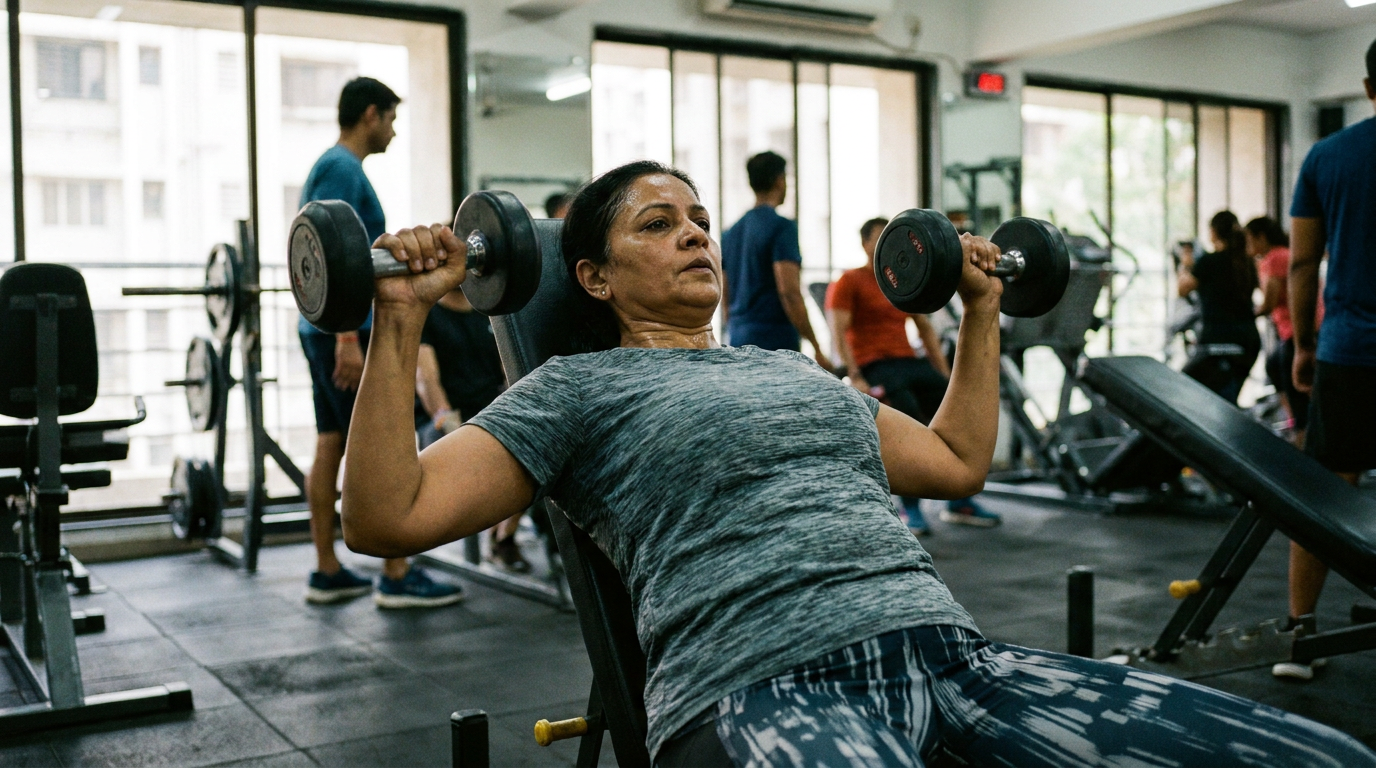
Physical activity is one of the best ways to increase or maintain bone density. Weight-bearing exercises such as brisk walking, jogging, climbing stairs, dancing, and tennis help your bones become stronger. Strength training with resistance bands or weights also helps to improve bone and muscle health. Aim for at least 30 minutes of exercise on most days of the week.
4. Eat Enough Protein
Protein is not just important for muscles, it also supports bone health. A diet that has adequate protein helps maintain bone structure and reduces muscle loss, which eventually helps to lower the risk of falls. Good sources include pulses, lentils, beans, dairy products, eggs, fish, chicken, soy products, and nuts. Pairing protein with calcium-rich foods offers additional benefits.
5. Avoid Smoking And Limit Alcohol
Smoking weakens bones by reducing blood supply and interfering with the body's ability to absorb calcium. Excessive alcohol consumption also affects bone formation and increases the risk of falls and fractures. Quitting smoking and limiting alcohol intake are among the most effective changes to protect bone health.
6. Healthy Body Weight
Being underweight can reduce bone density and increase the risk of osteoporosis, while excessive body weight may add extra stress on joints such as the knees and hips. Maintaining a healthy weight through balanced nutrition and regular physical activity helps protect both bones and joints. Crash diets should be avoided because they may deprive the body of important nutrients.
7. Prevent Falls At Home
A lot of fractures occur because of simple falls, especially among older adults. Keeping floors free of clutter, using non-slip mats in bathrooms, ensuring good lighting, and wearing supportive footwear can reduce the risk of falling. Regular balance exercises, such as tai chi or simple balance training, can also improve stability and coordination.
8. Get Bone Density Checked
A bone mineral density (BMD) test can help detect osteoporosis before a fracture occurs. Women after menopause, men over 70, people with a family history of osteoporosis, those taking long-term steroid medications, and people with previous fractures should speak to their doctor about whether they need screening.
Disclaimer: This content including advice provides generic information only. It is in no way a substitute for a qualified medical opinion. Always consult a specialist or your own doctor for more information. NDTV does not claim responsibility for this information.