

)
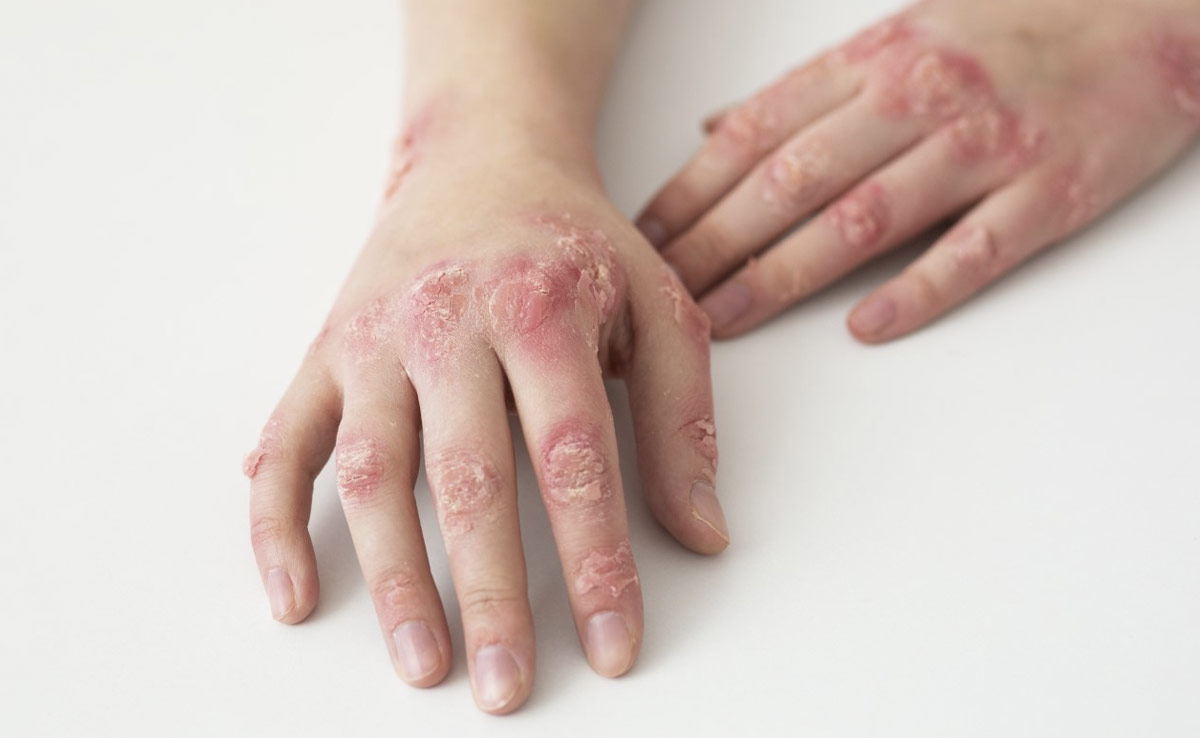
The monsoon season creates the perfect environment for fungal skin infections to thrive. Many people notice itchy rashes, redness, peeling skin, or circular patches during this time of the year. Conditions such as ringworm, athlete's foot, and jock itch become much more common because the combination of rain, sweat, and humidity keeps the skin damp for long periods. This moisture weakens the skin's natural barrier and makes it easier for fungi to multiply.
According to Dr Suma K R, Specialist - Dermatology, Venereology, Leprosy, Aster Whitefield Hospitals, Bangalore, the fungi responsible for these infections are often already present on our skin. However, humid weather, wet clothes, poor ventilation, and excessive sweating allow them to grow rapidly. This leads to itching, irritation, inflammation, and the spread of infection if it is not treated properly. The good thing is simple hygiene measures and early treatment can significantly reduce the risk.
Why Do Fungal Skin Infections Increase During Monsoon?
Humidity is one of the biggest reasons fungal infections become more common during the rainy season. Dr Suma explains that when people get drenched in the rain or sweat excessively, their clothes remain wet for longer. The skin also stays moist and is not properly exposed to air. This constant dampness changes the skin's natural microbiome, making it easier for fungi to multiply. As the fungal growth increases, it causes redness, itching, irritation, and inflammation. Areas where skin folds trap moisture are especially vulnerable.
What Are Ringworm, Athlete's Foot And Jock Itch?
Although they have different names, these conditions are all caused by fungal infections.
- Ringworm appears as a circular, itchy rash with a raised border and can affect almost any part of the body
- Athlete's foot usually affects the feet, especially between the toes, causing itching, peeling, cracking, and burning
- Jock itch develops around the groin and inner thighs, leading to redness, itching, and discomfort
These infections are not caused by worms. They are simply different forms of fungal infections that affect different parts of the body.
Who Is At Greater Risk?
Certain people are more likely to develop fungal infections during the monsoon. These include:
- People who sweat excessively
- Individuals who remain in wet clothes after getting caught in the rain
- Athletes and sports enthusiasts who wear synthetic sportswear for long hours
- People who wear shoes continuously throughout the day
- Those with poor personal hygiene
- People with weaker immunity
Dr Suma says that factors such as sweating, humidity, skin occlusion, hygiene, and immunity determine how easily a person develops an infection and how severe it becomes.
Why Shoes And Synthetic Clothing Make Things Worse
The feet are among the most common places for fungal infections because they often remain covered throughout the day. According to Dr Suma, wearing shoes continuously from morning until evening traps sweat inside. Even waterproof shoes cannot prevent moisture from collecting around the feet. The warm and damp environment encourages fungal growth.
She recommends removing shoes whenever possible during the day to allow the feet to air out. This not only lowers the risk of fungal infections but may also reduce the chances of certain other skin infections.
Similarly, synthetic clothing traps sweat against the skin. Athletes and people who exercise frequently are especially vulnerable because their clothing absorbs sweat but may not dry quickly. Cotton clothing is a better choice as it allows better airflow and keeps the skin cooler.
Simple Ways To Prevent Monsoon Fungal Infections
Good daily habits can go a long way in preventing these infections. Some important precautions include:
- Change out of wet or sweaty clothes as soon as possible, ideally within 10 to 30 minutes and preferably within one hour
- Wear clean, loose-fitting cotton clothes instead of tight synthetic fabrics
- Dry the skin thoroughly after bathing, especially between the toes and in skin folds
- Keep the skin moisturised but avoid leaving water on the skin. A moisturiser is generally preferred, although coconut oil may also help prevent excessive dryness
- Avoid wearing the same innerwear or clothes again without washing them
- Remove shoes occasionally during the day to let the feet breathe
- Wear clean, dry socks every day
Why You Should Never Ignore Itching
Many people dismiss mild itching as a temporary problem. However, scratching can make fungal infections worse. Dr Suma warns that scratching spreads fungi from one part of the body to another through the fingers. This can enlarge the infected area or create new patches elsewhere. Since fungal infections are contagious, they can also spread among family members or even in workplaces through shared clothing, towels, or close contact.
If itching, redness, or a rash develops, avoid self-medicating with over-the-counter creams without medical advice. Some creams containing steroids may temporarily reduce redness while allowing the fungus to spread further.
If symptoms do not improve within a few days, become painful, spread rapidly, or keep returning, consult a dermatologist. Most fungal skin infections respond well to antifungal creams, while more severe or widespread infections may require oral medication.
Disclaimer: This content including advice provides generic information only. It is in no way a substitute for a qualified medical opinion. Always consult a specialist or your own doctor for more information. NDTV does not claim responsibility for this information.