

)
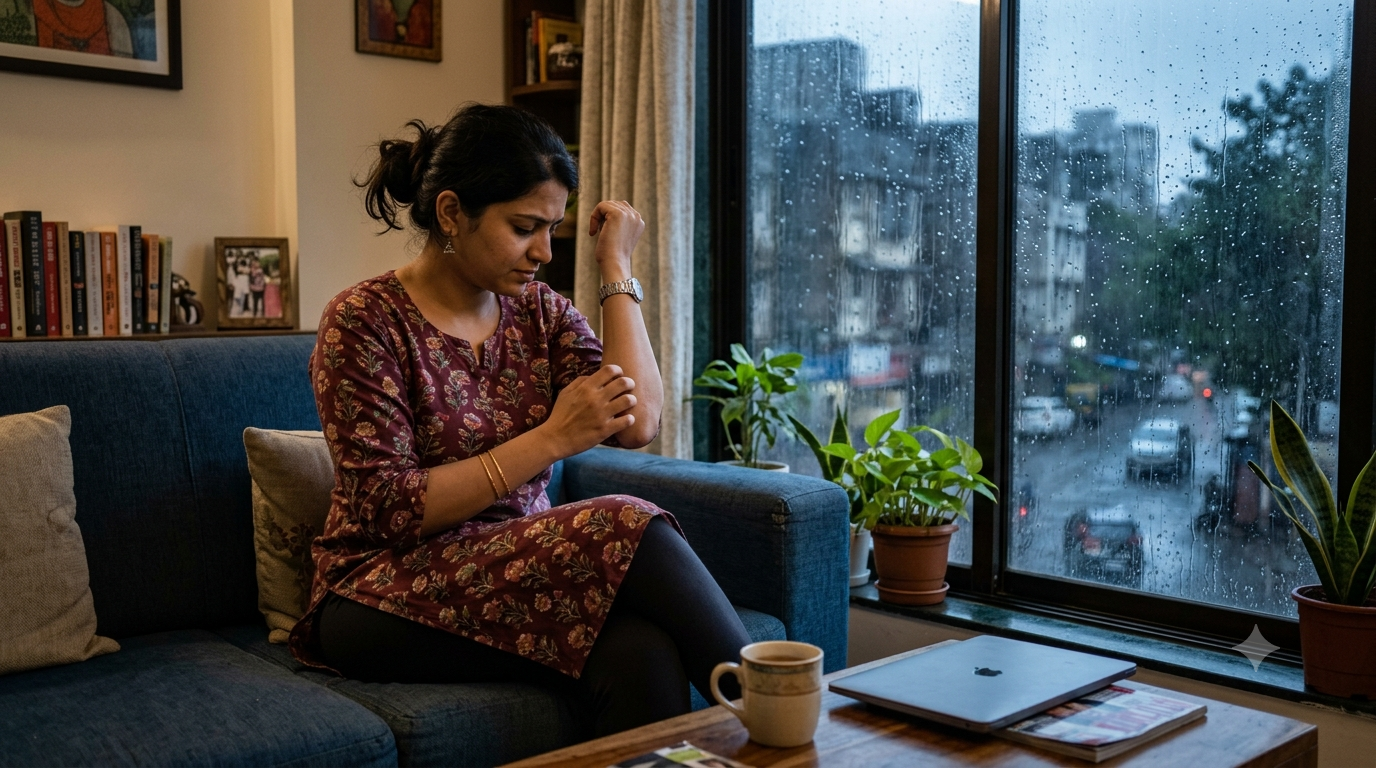
The monsoon may bring welcome relief from the summer heat, but it also creates the perfect conditions for skin problems. Constant humidity, damp clothing, excessive sweating and prolonged exposure to rainwater can irritate the skin and encourage the growth of fungi, bacteria and other microbes. As a result, many people notice itchy red patches, fungal infections, heat rashes and eczema flare-ups during the rainy season.
In India, dermatologists often see a spike in fungal infections such as ringworm (tinea), athlete's foot, intertrigo (rashes in skin folds) and yeast infections during the monsoon. While most of these conditions can be treated effectively, everyday habits, often done with the intention of getting relief, can actually make symptoms worse or delay healing.
The good news is that many monsoon skin rashes are preventable. Knowing what not to do is just as important as choosing the right treatment. Here are six common mistakes that may be worsening your skin rash this monsoon and what experts recommend instead.
Why Are Skin Rashes More Common During The Monsoon?
Warm temperatures combined with high humidity create an ideal environment for microorganisms to multiply. Sweat remains trapped against the skin for longer, while damp shoes, socks and clothing allow fungi to thrive.
According to the Indian Association of Dermatologists, Venereologists and Leprologists (IADVL) and the American Academy of Dermatology (AAD), fungal infections, bacterial skin infections, eczema and contact dermatitis tend to increase in hot and humid weather.
People at higher risk include:
- Those who sweat excessively
- Individuals with diabetes
- People who spend long hours outdoors
- Athletes
- Children
- People with obesity, where skin folds trap moisture
Mistake 1: Staying In Wet Clothes For Too Long
Getting drenched in the rain and remaining in wet clothes for hours is one of the quickest ways to irritate the skin. Moisture trapped against the body softens the skin and creates favourable conditions for fungal and bacterial growth, particularly around the groin, under the breasts, between the toes and in the armpits.
What to do instead:
- Change into dry clothes as soon as possible
- Dry skin folds thoroughly after bathing
- Wear breathable cotton fabrics whenever possible
Mistake 2: Scratching Every Itch
Itchy skin is one of the hallmark symptoms of fungal infections and heat rashes.
However, scratching may:
- Break the skin
- Introduce bacteria
- Spread fungal spores to nearby skin
- Increase inflammation
The AAD advises avoiding scratching and using appropriate treatment recommended by a healthcare professional instead.
What to do instead:
- Keep nails trimmed, apply prescribed creams and use cool compresses to reduce itching.
Mistake 3: Self-Medicating With Steroid Creams
Many people buy combination creams containing steroids, antifungals and antibiotics without medical advice. According to the IADVL, indiscriminate use of topical steroid creams can temporarily reduce redness and itching while allowing fungal infections to spread deeper and become more difficult to treat, a condition often referred to as tinea incognito.
What to do instead:
- Use medicines only after proper diagnosis. A fungal infection requires antifungal treatment, not just symptom relief.
Mistake 4: Wearing Tight Or Non-Breathable Clothing
Synthetic fabrics and tight clothing trap sweat and reduce air circulation. This creates friction and moisture, two factors that encourage fungal infections and worsen heat rashes.
What to do instead:
Choose:
- Loose-fitting cotton clothes
- Moisture-wicking sportswear during exercise
- Well-ventilated footwear
Avoid wearing the same sweaty clothes after a workout.
Mistake 5: Ignoring Your Feet
During the monsoon, shoes and socks often remain damp for hours.
This increases the risk of:
- Athlete's foot
- Nail fungal infections
- Skin cracking between the toes
According to the US Centers for Disease Control and Prevention (CDC), fungi thrive in warm, moist environments such as sweaty footwear.
What to do instead:
- Dry feet thoroughly after washing
- Change socks daily, or more often if they become wet
- Alternate shoes to allow them to dry completely
Mistake 6: Waiting Too Long To See A Doctor
Many people assume all rashes will disappear on their own. However, fungal infections usually require treatment, while some rashes may actually be caused by eczema, allergies, bacterial infections or even viral illnesses.
Seek medical advice if:
- The rash spreads rapidly
- Symptoms persist beyond one to two weeks
- There is pus, severe pain or fever
- The rash affects the face, eyes or genitals
- You have diabetes or a weakened immune system
Early diagnosis can help prevent complications and reduce the risk of spreading infections to family members.
How To Protect Your Skin During The Monsoon
Simple daily habits can significantly reduce your risk of developing skin problems during the rainy season.
- Dermatologist-approved monsoon skincare tips
- Bathe after getting soaked in the rain
- Dry your skin thoroughly, especially skin folds
- Wear clean, dry cotton clothing
- Keep your feet dry
- Avoid sharing towels, socks and footwear
- Wash gym clothes after every use
- Use moisturiser if you have eczema-prone skin, as excessive washing can damage the skin barrier
- Seek medical advice before using medicated creams
When Is A Skin Rash An Emergency?
Although most monsoon rashes are mild, seek immediate medical care if you experience:
- Rapidly spreading redness
- High fever with a rash
- Blisters over large areas of skin
- Difficulty breathing
- Swelling of the face or lips
- Severe pain or skin turning black
These symptoms could indicate a serious infection or allergic reaction requiring urgent treatment.
The monsoon creates ideal conditions for fungal infections and other skin rashes, but many cases become worse because of avoidable everyday mistakes. Staying in wet clothes, scratching itchy skin, using steroid creams without medical advice and neglecting foot hygiene can all delay healing. By keeping the skin clean and dry, wearing breathable clothing and seeking timely medical advice when symptoms persist, you can protect your skin and reduce the risk of infections throughout the rainy season.
Disclaimer: This content including advice provides generic information only. It is in no way a substitute for a qualified medical opinion. Always consult a specialist or your own doctor for more information. NDTV does not claim responsibility for this information.