

)
Protein has become a focal point for many people because it is linked to boosting energy levels. Everyone wants to boost their productivity, and that is why protein is everywhere, from protein coffee to protein-rich snacks. While people have become hooked on increasing their dose of daily protein in any way they can, there is research that backs the protein craze. The Lancet Journal suggests that protein is needed to preserve your muscle mass, maintain physical health and support healthy ageing.
But does increasing your protein intake actually translate to a long life? But uncontrolled and excessive intake, particularly of animal protein (red meat), contains methionine, which is known to accelerate ageing. But when there is too little protein, then people face a risk of muscle loss, fragility, and malnutrition. Older adults need to prioritise their protein intake if they want longevity and healthy ageing.
Why Is Protein Important As People Age?
The Lancet Journal pinpoints that protein intake is essential as people age, as it is necessary to maintain muscle mass, support immune function, and even help with tissue repair. Protein is also crucial for supporting hormone and enzyme production. The presence of branched-chain amino acids (BCAAs) plays a complex role in increasing the chances of obesity, insulin resistance, and type 2 diabetes. Restricting their consumption is necessary to improve metabolic health, but only in experimental research models. While this may be true, leucine, which is a type of BCAA, is important for muscle maintenance. If you can age healthily, then protein intake matters in ensuring it.
What Is the Link Between Protein and Longevity?
Research published in the Nutrients Journal warns that muscle loss is common with age and can benefit from adequate protein intake. Due to age-related muscle loss, older adults can suffer from reduced muscle strength that is associated with frailty and disability.
Adequate protein may help preserve functional capacity and make sure you are independent in advanced years. Living a healthy life matters as much as your total lifespan, and protein could become a supporter of it.
What Is Sarcopenia And Why Should You Care?
A review published in the Biochemistry and Pharmacology journal pinpoints that muscle loss as you age, or sarcopenia, is common in people as you age. Loss of muscle mass and strength is a major ageing concern that protein intake can help with.
The risks associated with low protein intake are as follows:
- Falls
- Fractures
- Reduced mobility
- Loss of independence
- Higher hospitalisation risk
Sarcopenia prevention should involve preserving muscle mass and ageing by increasing your protein intake as per your body weight, age, and daily physical activity level.
Are Most People Eating Enough Protein?
In India, according to the Indian Council of Medical Research (ICMR) and National Institute of Nutrition (NIN) dietary guidelines, most people are deficient in their daily protein intake. A healthy adult needs 0.83 g of protein per kg of body weight, but most people tend to consume cereals and assume their protein intake is complete. But complete protein needs a holistic approach and different sources, such as plant-based protein-rich foods as well as animal protein, for optimal balance.
Older adults need to adjust their protein intake as per their body's needs and daily physical activity levels, as they need to actively preserve muscle mass.
Is More Protein Always Better?
An excess amount of protein is not always better; it is necessary, but in balance. Too much protein can pose side effects, while adequate protein can benefit you with the following:
- Better muscle maintenance
- Improved recovery
- Greater satiety
- Metabolic support
Potential Concerns
Excessive amounts of protein can be consumed if you consume the following:
- Excessive amount of protein supplements
- Highly processed protein products
- Existing kidney disease requiring medical supervision
A high-protein diet needs to fulfil your body's protein requirements if you want longevity and healthy ageing.
Animal Protein vs Plant Protein For Longevity
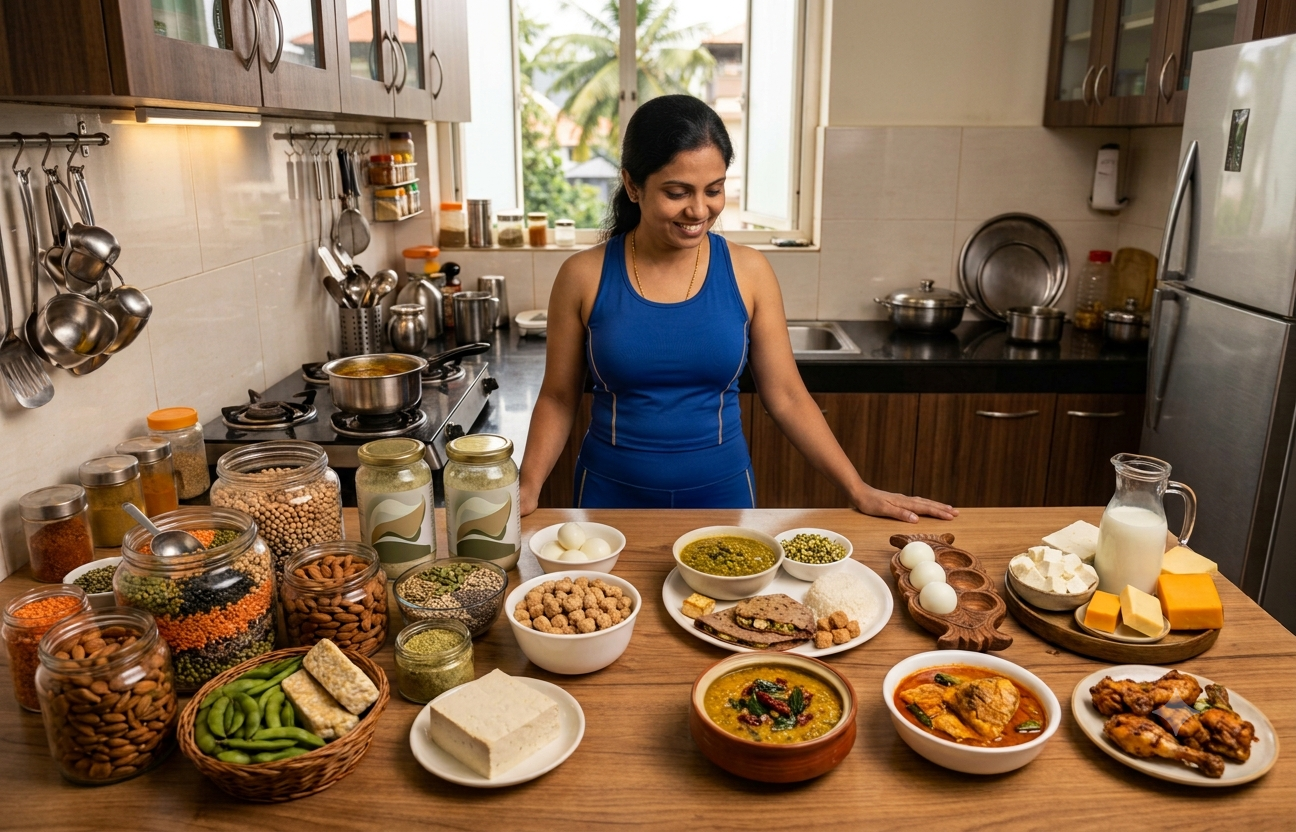
Research published in the JAMA Internal Medicine Journal suggests that consuming animal protein from eggs, fish, dairy, and chicken can lower the risk of death. The strongest health benefits can be availed when you swap processed meat, red meat, and excess egg protein with plant protein. Longevity requires a balance of both; how you choose to do so depends on availability and how varied the food sources are that you can consume.
Plant Sources Of Protein
Healthy plant-based protein sources present in soy, lentils, beans, chickpeas, tofu, nuts, and seeds can lower mortality risk. The quality of the protein matters as well as the exact composition of amino acids in it.
How Much Protein Do You Need After 40?
Research published in the Journal of the American Medical Directors Association recommends that healthy older adults need 1.0-12.3 g for each kg of weight. Older adults who have any illnesses need 1.2-1.5 g of protein per kg every day. Those with severe illness or malnutrition need higher levels of protein, but only under medical supervision.
For instance, your breakfast needs a balance of animal and plant-based protein that can be present in eggs, Greek yoghurt, and paneer. During lunch, high-protein options can include dal, rajma, chicken, or fish. For dinner, easily digestible and light protein-rich foods such as tofu, soy chunks, and lentils can be alternated.
Adequate protein intake can ensure longevity, but the quality of your protein intake as well as how much of it you consume daily matters.
Also Read: How To Add More Protein To Indian Diet: 6 Tips To Follow
Disclaimer: This content including advice provides generic information only. It is in no way a substitute for a qualified medical opinion. Always consult a specialist or your own doctor for more information. NDTV does not claim responsibility for this information.