

)
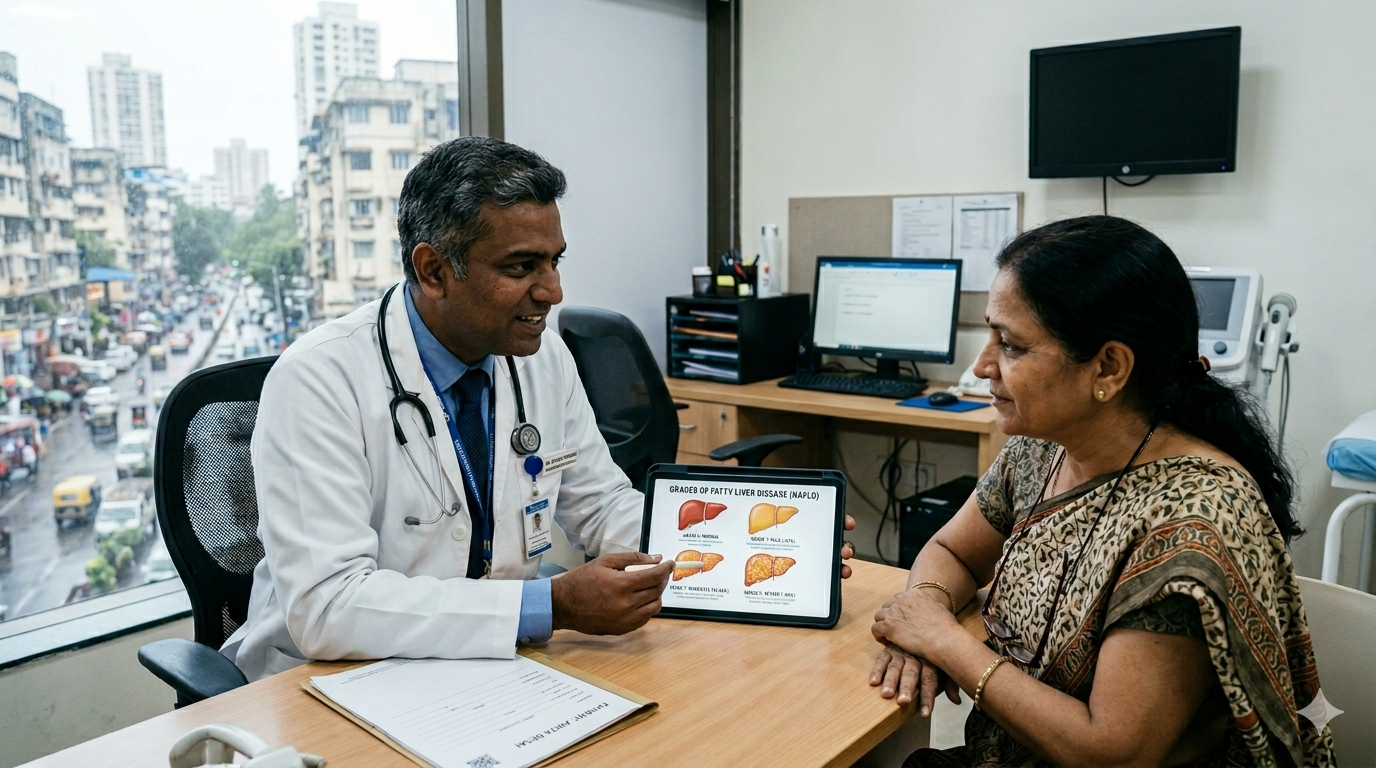
Liver diseases are rising rapidly due to a combination of several factors. Major contributors include increasing incidents of obesity, metabolic syndrome, and consumption of unhealthy diets, alongside traditional risks like alcohol consumption and viral infections. Fatty liver disease and hepatitis are two common conditions that affect the liver. Fatty liver, now commonly referred to as metabolic dysfunction-associated steatotic liver disease (MASLD), occurs when excess fat accumulates in the liver. It is frequently associated with obesity, diabetes, insulin resistance, high cholesterol, unhealthy dietary habits and physical inactivity. Viral hepatitis, on the other hand, is caused by hepatitis viruses, particularly hepatitis B and C, which can lead to chronic liver inflammation and progressive liver damage.
Fatty liver disease and viral hepatitis both affect the liver, but their causes, modes of transmission and treatment are very different. However, one of the biggest concerns with both conditions is that they may remain silent for years. A person with fatty liver may have no symptoms or may experience fatigue or mild discomfort in the upper right abdomen. Similarly, chronic hepatitis B and C can remain asymptomatic until significant liver damage has occurred. If the disease progresses, patients may develop jaundice, abdominal swelling, loss of appetite, unexplained weight loss or other signs of advanced liver disease.
Fatty liver symptoms
Fatty liver is famously a silent condition. In its early and moderate stages, it rarely presents obvious signs including:
- Persistent, low-grade tiredness
- A dull ache or heavy, fullness sensation in the upper right side of the stomach
- Loss of appetite, leading to unintentional weight loss
Hepatitis Symptoms
Hepatitis symptoms can significantly interfere with everyday activities. As the liver becomes inflamed, its ability to filter and metabolise decreases rapidly, leading to symptoms like:
- Jaundice
- Dark urine and pale stools
- Flu-like symptoms
- Severe gastrointestinal distress
- Intense itching
The major difference is that fatty liver is not contagious, whereas viral hepatitis can spread depending on the virus. Hepatitis B can be transmitted through infected blood and body fluids and from mother to child during childbirth. Hepatitis C spreads primarily through exposure to infected blood.
Both conditions can eventually result in fibrosis, cirrhosis and liver cancer if left untreated. Diagnosis may involve liver function tests, ultrasound or other imaging, assessment of liver fibrosis and, in suspected viral hepatitis, specific blood tests for hepatitis viruses.
Fatty liver can often be improved through weight management, regular physical activity, a balanced diet and control of diabetes, cholesterol and other metabolic risk factors.
Hepatitis B is vaccine-preventable and can be effectively controlled with treatment when required, while modern antiviral medicines can cure more than 95% of people with hepatitis C.
The key message this World Hepatitis Day is not to wait for symptoms. People with metabolic risk factors or risk of viral exposure should discuss appropriate liver screening and hepatitis testing with their doctor. Early detection can prevent irreversible liver damage.
(Dr Anubhav Jain, Senior Consultant & Unit Head, Gastroenterology, Max Hospital, Gurugram)
Disclaimer: The opinions expressed within this article are the personal opinions of the author. NDTV is not responsible for the accuracy, completeness, suitability, or validity of any information on this article. All information is provided on an as-is basis. The information, facts or opinions appearing in the article do not reflect the views of NDTV and NDTV does not assume any responsibility or liability for the same.