

)
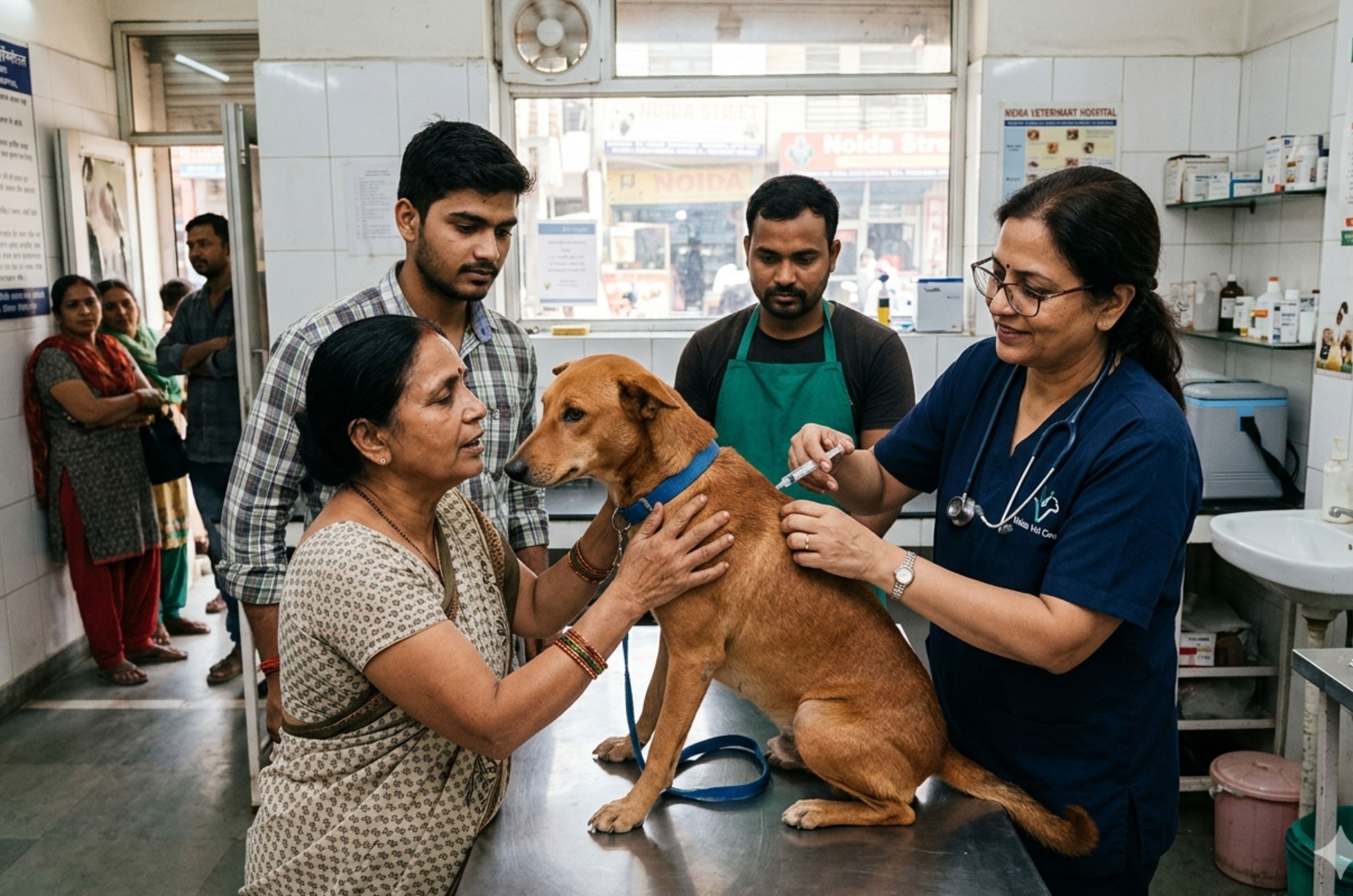
Dogs, or a human's best friend, need consistent efforts to keep them healthy throughout their lifetime. From when they are a puppy to their elder years, dogs need periodic and seasonal vaccinations to keep them healthy and safe right by your side. With the temperatures and seasonal changes becoming more erratic, the toll on your pet's health can also be visible. From Malassezia, Candida, and Dermatophytes, which cause ringworm that is common during rains, to the rise in kennel cough or respiratory issues during winter months with extremely cold temperatures. The endless list of diseases that can crop up every season is the main reason behind skipping any vaccination due to the difference between a healthy canine and a potentially long and tedious diseased dog who has to be constantly taken care of with medications, medical screenings, and tests.
Even though certain pet vaccinations are subject to availability, and access to quality veterinary care is a challenge, the exploding population of dogs and multiple breeds is all the more reason to get them vaccinated when they need it.
For the 31 million dogs and counting, Indian pet parents are presented with modern pet health challenges that need a proactive approach to seek timely vaccinations for major diseases. To make it easy, keeping a track record of pet vaccinations in the form of a calendar is important to make sure your dog is healthy and well taken care of for the entire year.
Why Vaccinations Matter
There are many deadly diseases in dogs that can be prevented by vaccinations, from the yearly rabies vaccination to parvovirus, distemper, kennel cough, dermatitis, tick-borne illnesses and many more. These vaccinations not only prevent dogs from falling ill but also protect pet parents and their families, as accidental bites during playtime are common and become a source of harmful bacteria entering the bloodstream and leading to serious health issues.
The risk lies with zoonotic diseases from viruses, bacteria, or fungi that can easily transfer from pets to humans, so being vaccinated is the shield that can provide protection to humans and pets alike.
Puppy Vaccination Schedule (0 to 6 months)
When you get a puppy, the first thing that you should do is to take it to a trustworthy and experienced veterinary doctor who can assess your puppy's health and advise the best course of action regarding their nutrition. The vaccination needs for a puppy are as follows:
- First shots at 6 to 8 weeks, and the vaccines need to be given in instalments to avoid overwhelming their fragile immune system.
- The core vaccines that are needed for a puppy are distemper, parvovirus, and adenovirus.
- The rabies vaccine timing also needs to be planned, and pet parents need to make sure that their puppies do not play in public spaces until their vaccinations are up to date to prevent them from getting sick.
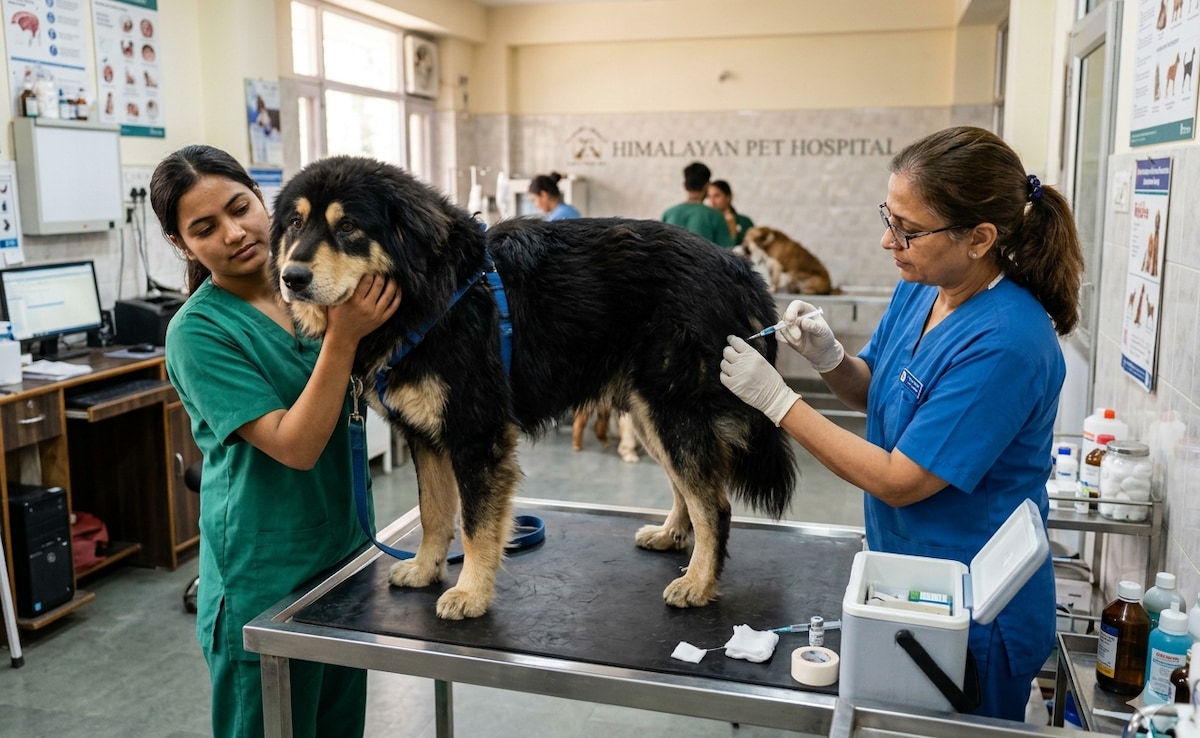
Mountain dog getting vaccinated (image is for representation purposes only)
Photo Credit: A.I generated image
Adult Dog Vaccination Calendar (1 year and beyond)
There are 7-in-1 boosters with individual vaccinations like dermatitis that need to be administered to dogs who are vulnerable to developing fungal or bacterial infections, especially every 3 or 6 months, according to their prognosis and medical history.
- Annual boosters need to be administered, and their availability is nationwide.
- While vaccines are optional for kennel cough and leptospirosis, the modern health state requires them to avoid the fallout on your pet's health.
- Regional considerations are needed for India's climate and disease prevalence, as the temperatures are erratic and rains can occur suddenly, leaving your pet vulnerable.
Note: You need to follow a strict hygiene schedule that involves skin-type-specific care for your dogs to keep their paws clean. Accidental licking can expose them to harmful pathogens, leading to serious infections, prolonged treatment, and suffering.
Cost And Accessibility In India
The average cost of vaccines can differ depending on where you are getting your dog vaccinated, but it is approximately as follows:
- Rabies vaccine (two doses plus one booster every year) is at Rs. 350 per dose.
- Parvovirus (3 doses with a yearly booster) is at Rs. 800 per dose.
- Leptospirosis (2 doses and one booster every year) is at Rs. 150 per dose.
- Adenovirus (Hepatitis) (normally two doses orally with an annual booster) is at Rs. 150 per dose.
- Kennel Cough (Bordetella) (1 dose annually) is at Rs. 600 per dose.
- Canine Influenza (Dog Flu) and Canine Coronavirus (2 doses with the follow-up of boosters) are at 22 per dose.
- Lyme disease (Borrelia burgdorferi) (2 prime doses with annual boosters) is at Rs. 700 per dose.
Note: You can't get sick or malnourished puppies vaccinated, so be sure to consult a veterinary professional for the right age to start the vaccination schedule.
Important: The actual cost of treatment if your dog develops a disease can put a dent in your wallet. Investing in their timely vaccinations is key to avoiding paying financially and in the dog suffering when they fall ill.
There are reasonably priced government clinics that vaccinate dogs against diseases, while private veterinary clinics have their visitation and consultation fees built into their vaccination administration.
You need to careful of private veterinary clinics that can over-charge pet parents for the treatment or required vaccinations, so always taking a second opinion from another veterinary professional can spare your pet from getting unncessary treatment.
Tips For Pet Parents
- You need to keep a vaccination record to be sure to keep up with the timely vaccination schedule for pets and keep them healthy.
- Combine vaccines with periodic deworming and regular health checkups.
- Watch out for mild side effects like fever, lethargy, or sudden changes in their eating habits.
Vaccination is the simplest way to ensure a long, healthy life for dogs, and you need to consult an experienced veterinary professional who holds a master's in veterinary sciences who can guide you properly on dog care. You need to maintain your own breed-specific pet vaccination calendar.
Disclaimer: This content, including advice, provides generic information only. It is in no way a substitute for a qualified medical opinion. Always consult a specialist or your own doctor for more information. NDTV does not claim responsibility for this information.