

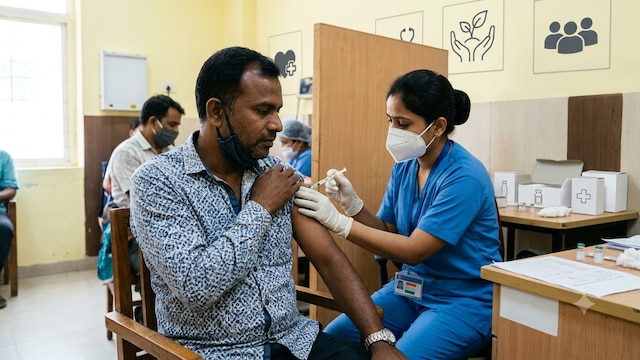
Childhood vaccination is very important for protecting you from infectious diseases.. There might be a possibility that you miss the childhood vaccination scheduled on time. Some children miss doses because of illness, lack of awareness, financial constraints or limited access to healthcare. Others may not have proper records of the vaccines they received growing up.Does missing a vaccine during childhood mean that you have permanently lost the chance to protect yourself from that infection? Not necessarily. Many childhood vaccines can still be given to people when they are adults by means of catch-up vaccination. Depending on the vaccine, your age, the immunisation history that you have before and your medical conditions, doctors may advise doses to fill in missing protection. Vaccination is not a childhood duty. Adults also need immunisation, against preventable infections especially as they get older or when they develop health conditions. Explaining why adults should review their vaccination history, Dr P.S. Narang, Principal Director and HOD, Paediatrics, Max Hospital, Shalimar Bagh, says, "Missing a childhood vaccine doesn't mean you've lost the opportunity to get protected. Adults are equally prone, or rather more vulnerable, to many infections because of reduced immunity with age and chronic medical conditions. Once infected, they can also spread infections to household members, especially young children and older people."
Which Childhood Vaccines Can You Take In Adulthood?
In many cases, you can. Catch-up vaccination refers to administering missed vaccine doses after the recommended age or schedule. It helps individuals receive protection against infections for which they were not adequately immunised during childhood. However, the vaccine, the number of doses and the recommended intervals depend on individual circumstances. Some vaccines can be administered well into adulthood, while others have specific age limits or are recommended only for particular risk groups.
Dr Rahul Nagpal, Principal Director and HOD, Neonatology and Paediatrics, Fortis Hospital, Vasant Kunj, explains, "Missing a childhood vaccine does not necessarily mean a child has lost the opportunity for protection. In many cases, missed vaccines can be administered later through a catch-up immunisation schedule, depending on the child's age and the specific vaccine. "Parents should maintain vaccination records and consult a paediatrician to identify pending doses rather than restarting or skipping the schedule on their own. However, certain vaccines have specific age limits, making timely vaccination particularly important. Immunisation is one of the most effective ways to protect children against serious preventable infections."
Importantly, missing a dose does not automatically mean that the entire vaccination series has to be restarted. A doctor can assess the previous doses and recommend the remaining ones according to the appropriate schedule.
Which Childhood Vaccines Can You Take In Adulthood?
Several vaccines administered during childhood may also be relevant during adulthood. Here are some important ones that doctors may consider when reviewing an individual's vaccination history.
1. Hepatitis B vaccine
Hepatitis B is a viral infection that affects the liver and can cause both acute and chronic disease. Chronic infection can increase the risk of liver cirrhosis and liver cancer. Adults who were not vaccinated during childhood or have incomplete vaccination may be advised to receive the hepatitis B vaccine. The number of doses depends on the vaccine formulation and the individual's medical history.
2. Hepatitis A vaccine
Hepatitis A is a viral infection that affects the liver and can spread through contaminated food and water. Adults who have not previously been vaccinated or lack immunity may be considered for vaccination, particularly if they have certain medical conditions or other risk factors.
3. MMR vaccine
The measles, mumps and rubella (MMR) vaccine protects against three viral infections. Adults who have not received the recommended doses or do not have evidence of immunity may need vaccination. This is particularly relevant for healthcare workers and individuals who may be exposed to these infections.
4. Varicella vaccine
Varicella, commonly known as chickenpox, is a contagious viral infection. Adults who have never had chickenpox and have not been vaccinated may be considered for the varicella vaccine. This is particularly important because chickenpox can sometimes cause more serious complications in adults than in children.
READ | Immunisation Day: What To Do Immediately If You Missed Your Baby's Vaccine Appointment
5. Tdap vaccine
The Tdap vaccine protects against tetanus, diphtheria and pertussis (whooping cough). Adults who missed their adolescent Tdap dose may need one dose, followed by recommended tetanus and diphtheria boosters. Pregnant women are also advised to receive Tdap during each pregnancy to help protect newborns against pertussis.
6. HPV vaccine
The human papillomavirus (HPV) vaccine protects against certain HPV infections associated with cervical cancer and other cancers. Although vaccination is ideally administered during adolescence, some adults may still be eligible, depending on their age, previous vaccination history and applicable recommendations.
7. Influenza vaccine
Influenza can cause seasonal respiratory infections and may lead to serious complications, particularly among older adults and people with underlying health conditions. Annual influenza vaccination is recommended for several adult groups, depending on their age and medical history.
8. Pneumococcal vaccine
Pneumococcal infections can cause pneumonia, meningitis and bloodstream infections. Pneumococcal vaccination may be recommended for older adults and people with certain chronic medical conditions or weakened immunity.
9. Herpes zoster vaccine
Herpes zoster, commonly known as shingles, occurs when the varicella-zoster virus responsible for chickenpox reactivates in the body. The risk of shingles increases with age and declining immune function. The shingles vaccine may be recommended for eligible older adults and certain individuals with weakened immunity.
Do Adults With Chronic Conditions Need Additional Vaccines?
People living with chronic illnesses or weakened immunity may require additional protection against certain infections. Conditions affecting the immune system can increase the likelihood of developing severe infections and complications. Similarly, people with certain liver, kidney, heart or lung conditions may be more vulnerable to complications from vaccine-preventable diseases.
Occupational exposure is another factor. Healthcare workers, for instance, may have a higher risk of encountering certain infectious diseases. Dr Manoj Sharma, Director, Internal Medicine, Fortis Hospital, Vasant Kunj, explains, "Vaccination is not just for children; it remains an important part of preventive healthcare throughout adulthood. Adults who missed certain childhood vaccines may still be eligible for catch-up vaccination, depending on their age, medical history, previous immunisation and risk factors.
"Vaccines such as hepatitis B, MMR, varicella and others may be considered where appropriate. Adults with chronic illnesses, weakened immunity or occupational exposure should particularly review their vaccination status with a physician. It is never too late to assess your protection, although not every childhood vaccine can be administered in adulthood," says Dr Sharma.
What Should You Do If You Do Not Have Your Childhood Vaccination Records?
Not having your childhood vaccination records does not mean you cannot assess your protection. Here are a few steps you can take:
- Consult a physician: Discuss your vaccination history, age and existing medical conditions.
- Check available records: Look for childhood vaccination cards, hospital records or previous medical documents.
- Discuss missing doses: Ask your doctor which vaccines may be appropriate based on your history and risk factors.
- Follow the recommended schedule: Complete the required doses and intervals rather than taking vaccines randomly.
- Keep updated records: Maintain a vaccination record to avoid missing future doses or taking unnecessary repeat doses.
Remember that vaccination requirements differ from person to person. Some vaccines are not routinely recommended for every adult, and certain live vaccines may be unsuitable for people with specific immune conditions or during pregnancy. Missing a childhood vaccine does not necessarily mean you have lost your chance to protect yourself. Several vaccines can be administered later in life, provided you meet the relevant age and medical eligibility criteria. However, catch-up vaccination should always be guided by a qualified doctor. Review your vaccination history, understand your individual risks and discuss the appropriate immunisation schedule with your doctor.
As Dr P.S. Narang emphasises, the message to remember on World Immunisation Day is simple: "Get yourself vaccinated. Bridge that gap to protect yourself and your dear ones." Because immunisation is not just about protecting yourself; it is also about protecting the people around you.
Disclaimer: This content including advice provides generic information only. It is in no way a substitute for a qualified medical opinion. Always consult a specialist or your own doctor for more information. NDTV does not claim responsibility for this information.