

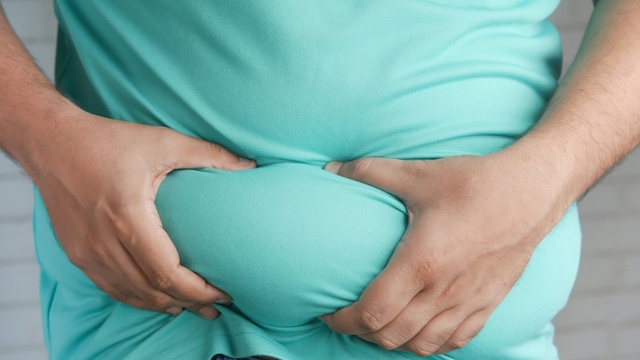
Losing weight can feel rewarding, especially when the numbers on the weighing scale gradually go down. However, for many people, the excitement fades when they notice that their belly fat does not seem to be reducing at the same pace. Clothes may fit better around the shoulders and legs, but the waistline can appear stubbornly unchanged. This can be frustrating for people who are following a calorie deficit, exercising regularly and trying to improve their body composition. However, a shrinking number on the weighing scale does not always translate into a visibly smaller waist. Weight loss can involve changes in body fat, muscle mass, water retention and digestive contents, all of which can influence how the body looks. Another important factor is that the body does not lose fat uniformly. Genetics, hormones, age, sleep and lifestyle habits can influence where fat is stored and how quickly it is lost from different areas. So, why might you be losing weight without noticing much change in your belly? Here are seven possible reasons and what you can do about them.
1. You Cannot Choose Where Your Body Loses Fat
One of the most common misconceptions about weight loss is that exercising a particular body part will burn fat specifically from that area. However, doing hundreds of crunches or sit-ups does not selectively reduce abdominal fat. When the body uses stored fat for energy, the process occurs throughout the body. The areas where fat decreases first or last vary from person to person, depending partly on genetics, hormones and overall body-fat distribution. For some people, the face, arms and legs become noticeably leaner before the waistline changes. Others may notice abdominal fat reducing earlier. Focus on overall fat loss through a sustainable calorie deficit, regular resistance training and aerobic activity. Core exercises can strengthen the abdominal muscles and improve stability, but they cannot specifically target the fat covering them.
2. You May Be Losing Water Weight Or Muscle Along With Fat
Weight loss does not always mean fat loss. Changes on the weighing scale can reflect reductions in body water, glycogen stores, muscle mass and digestive contents, in addition to body fat. This is particularly relevant when someone begins a restrictive diet or loses weight rapidly. A sudden reduction in carbohydrate intake, for example, can reduce glycogen stores and the water associated with them, leading to an early drop in body weight. If muscle mass also decreases during weight loss, the body may become lighter without achieving the desired change in shape or body composition. Aim for gradual weight loss, consume adequate protein and include resistance training in your routine. Avoid excessively restrictive diets. Tracking waist measurements alongside body weight can help you understand whether your progress extends beyond the weighing scale.
3. Your Calorie Deficit May Not Be Consistent
You may be exercising regularly and eating what seems like a healthy diet, but your overall calorie intake still matters. Cooking oils, dressings, sugary drinks, snacks, restaurant meals and large portions can contribute more calories than expected. A person may also eat less on weekdays but consume enough additional calories over the weekend to reduce or eliminate the weekly calorie deficit. This does not mean that every meal needs to be weighed or that occasional indulgences will prevent fat loss. Rather, the overall pattern of eating determines whether the body continues to use stored energy.
What you can do: Review your food intake over several days, including drinks, snacks and cooking oils, if tracking is appropriate for you. Prioritise protein-rich foods, vegetables, fruits, whole grains and other sources of fibre. Choose a calorie deficit that you can maintain without excessive hunger or fatigue.
4. You May Be Experiencing Bloating Rather Than Belly Fat
A protruding abdomen does not always indicate excess body fat. Bloating, constipation, gas and changes in digestive contents can temporarily make the stomach appear larger, even when body weight is decreasing. Some people experience bloating after consuming particular foods, eating large meals, drinking carbonated beverages or increasing their fibre intake too quickly. Constipation can also contribute to abdominal fullness.
It is useful to distinguish between changes in abdominal fat and changes in abdominal volume. Belly fat generally changes over weeks or months, while bloating can fluctuate over hours or days. What you can do: Eat slowly, stay adequately hydrated, increase fibre gradually and maintain regular physical activity. Pay attention to whether abdominal fullness occurs after particular meals or at certain times of the day.
Persistent bloating, severe abdominal pain, vomiting, blood in the stool or unexplained weight loss warrants medical assessment rather than being attributed to diet alone.
5. Stress And Poor Sleep May Be Affecting Your Progress
Stress and inadequate sleep can make weight management more difficult. They may influence appetite, food choices, energy levels and the ability to maintain a consistent exercise routine. Sleep deprivation can affect hormones involved in hunger and satiety, while prolonged stress may influence eating behaviour and recovery. Cortisol, a hormone involved in the body's stress response, also plays a role in metabolism and energy regulation. However, it would be inaccurate to assume that stress automatically causes belly fat or that reducing cortisol alone will flatten the abdomen. Abdominal fat accumulation is influenced by several interacting factors, including energy balance, genetics and hormonal health. Most adults should aim for at least seven hours of sleep each night. Maintain a consistent sleep schedule, build manageable stress-reduction habits and allow adequate recovery between demanding workouts.
6. Your Workout Routine May Need Adjustment
Exercise can help reduce body fat, preserve muscle and improve cardiovascular health. However, spending more time in the gym does not necessarily translate into faster abdominal fat loss. For example, performing only abdominal exercises may strengthen the core without creating enough overall activity to support substantial fat loss. Conversely, excessive cardio combined with inadequate food intake and insufficient recovery may contribute to fatigue and muscle loss. Resistance training is particularly valuable during weight loss because it helps preserve lean mass. Aerobic activity can increase energy expenditure and improve cardiovascular fitness, while everyday movement contributes to overall activity levels. Combine resistance training with aerobic exercise and regular movement throughout the day. Follow a structured programme that gradually progresses in difficulty, and allow enough time for recovery.
If your strength is declining, fatigue is persistent or your performance is worsening, review your calorie intake, training volume and recovery rather than simply adding more workouts.
7. Genetics, Age And Hormonal Factors May Influence Your Waistline
Fat distribution differs between individuals. Genetics can influence whether someone tends to store more fat around the abdomen, hips, thighs or other areas. Age can also affect body composition. Changes in muscle mass, activity levels and hormones may influence how and where fat is stored over time. Hormonal conditions, certain medications and other health factors can also contribute to changes in weight or abdominal fat distribution. For example, insulin resistance can be associated with central fat accumulation, while some endocrine conditions may affect weight management. However, belly fat alone is not enough to diagnose a hormonal problem.
What you can do: Focus on habits that support long-term health rather than comparing your waistline with someone else's. If you experience unexplained weight changes, unusual fatigue, menstrual irregularities where applicable or other persistent symptoms, consult a healthcare professional for an appropriate evaluation.
How Can You Tell Whether You Are Losing Belly Fat?
The weighing scale is only one measure of progress. If your weight is decreasing but your waistline appears unchanged, consider tracking several indicators over time.
- Measure your waist: Use a measuring tape at the same anatomical location and under similar conditions, such as in the morning before eating.
- Look at trends, not daily fluctuations: Water retention, digestion and other normal changes can affect abdominal appearance from one day to the next.
- Track strength and performance: Maintaining strength during weight loss can be a useful sign that your training and nutrition are supporting muscle retention.
- Use progress photographs cautiously: Comparing photographs taken under similar lighting, posture and conditions may help you notice gradual changes.
- Allow enough time: Changes in abdominal fat may become apparent only after sustained progress over several weeks or months.
Remember that waist circumference is a useful measure of abdominal size, but it cannot distinguish visceral fat, which surrounds internal organs, from subcutaneous fat, which lies beneath the skin. Losing weight without an obvious reduction in belly size does not necessarily mean that your efforts are failing. Your body may lose fat unevenly, changes in water weight may affect the scale, or bloating may temporarily alter your abdominal appearance.
The most effective approach is to focus on sustainable fat loss, adequate protein, resistance training, regular physical activity, sufficient sleep and consistent nutrition. Avoid crash diets and exercises that promise to melt belly fat in a specific number of days. If your weight or waistline changes unexpectedly, or you experience persistent abdominal swelling or other concerning symptoms, seek medical advice. The goal should not simply be a smaller waist, but healthier body composition and habits that you can maintain over time.
Disclaimer: This content including advice provides generic information only. It is in no way a substitute for a qualified medical opinion. Always consult a specialist or your own doctor for more information. NDTV does not claim responsibility for this information.