

)
Most people think of the heart when they think about blood circulation. It works continuously to pump oxygen-rich blood throughout the body, supplying tissues and organs with the oxygen and nutrients they need to function. However, the heart is not working alone. Certain muscles in the body also play an important role in helping blood move efficiently through the circulatory system.
One such muscle is the calf muscle, located at the back of the lower leg. It is also referred to as the body's "second heart," the calf muscle performs an important task that supports healthy circulation. Speaking to NDTV, Dr Ashish Jai Kishan, Senior Consultant, Cardiology, Fortis Escorts, Okhla, Delhi, said that the calf muscles help push blood from the legs back toward the heart, making them an essential part of the body's circulation system.
How Blood Travels Through the Body
The heart pumps oxygen-rich blood to different parts of the body through arteries. Once the body's tissues use the oxygen, the blood returns to the heart through veins. While this process may sound simple, it becomes more challenging in the legs because blood has to travel upward against the force of gravity.
Unlike arteries, veins do not have the same strong pumping force. This is where the calf muscles become extremely important. They assist the veins by helping move blood upward toward the heart.
Why The Calf Muscle Is Known As The 'Second Heart'
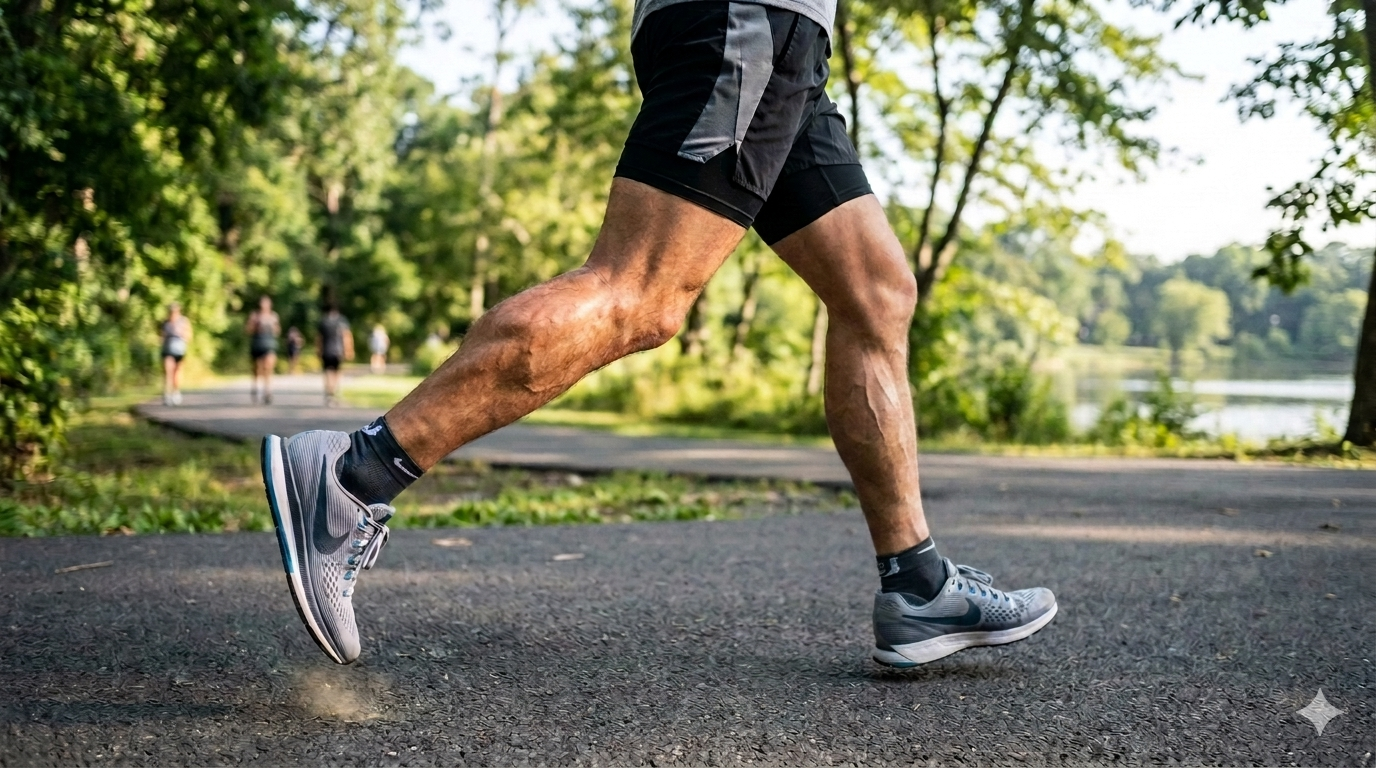
The calf muscles act like a natural pump. Every time a person walks, climbs stairs, stands on their toes, or even flexes their ankles, these muscles contract. When they tighten, they squeeze the deep veins running through the legs.
This squeezing action pushes blood upward toward the heart. Special one-way valves inside the veins prevent the blood from flowing backward. Together, the calf muscles and these valves ensure that blood keeps moving in the right direction.
Because of this pumping action, the calf muscle plays a role similar to a support system for the heart. Although it cannot replace the heart, its contribution to circulation is so significant that it has earned the nickname "second heart."
What Happens When You Sit for Too Long?
The importance of the calf muscle pump becomes more noticeable when people remain inactive for long periods. Sitting for hours at a desk, during flights, or while travelling can reduce the effectiveness of this natural pumping mechanism.
When the calf muscles are not moving regularly, blood can begin to pool in the lower legs. This may lead to swelling, feelings of heaviness, and venous congestion. In some cases, prolonged inactivity can increase the risk of blood clots forming in the veins.
"This is why regular movement is strongly recommended during long journeys and sedentary work," said Dr. Jai Kishan.
Benefits Of A Healthy Calf Muscle Pump
A strong and active calf muscle pump offers several benefits beyond simply helping blood return to the heart. It helps reduce pressure inside the leg veins, which can lower the risk of developing varicose veins and chronic venous insufficiency.
For people with heart failure or poor circulation, maintaining healthy leg muscles can improve blood flow and support overall cardiovascular health. Regular physical activity keeps the calf muscles engaged, helping them perform their circulation-supporting role more effectively. Good circulation also contributes to healthier tissues, reduced swelling, and better overall mobility, particularly as people age.
"While the calf muscle cannot replace the heart, its contribution to circulation is so vital that the term "second heart" is well deserved. Something as simple as regular walking not only strengthens the legs but also activates this natural pump, helping blood return efficiently to the heart and supporting the health of the entire circulatory system," adds Dr. Jai Kishan.
How to Keep Your Calf Muscles Healthy
- Walk for at least 30 minutes most days of the week
- Avoid sitting continuously for long periods
- Take short movement breaks every hour when working at a desk
- Perform ankle rotations and calf stretches regularly
- Use stairs whenever possible to engage the calf muscles
- Stay hydrated to support healthy blood circulation
- Maintain a healthy body weight to reduce pressure on the leg veins
- Wear comfortable footwear that allows natural movement
- Exercise regularly to improve leg strength and endurance
- Move around during long flights, train journeys, or road trips.
Disclaimer: This content including advice provides generic information only. It is in no way a substitute for a qualified medical opinion. Always consult a specialist or your own doctor for more information. NDTV does not claim responsibility for this information.