
High blood sugar levels are linked with a higher risk of several health conditions beyond diabetes. Elevated levels for prolonged periods can increase the risk of cardiovascular disease and even long-term complications affecting the eyes, kidneys, and nerves. After meals, blood sugar levels typically spike due to the carbohydrates consumed. When you eat, your digestive system breaks down food into glucose, which enters the bloodstream and raises blood sugar levels. This spike is a normal physiological response; however, consistently high levels can lead to insulin resistance over time, making it more challenging to manage blood sugar.
There are several strategies to help prevent these post-meal spikes. Experts often recommend taking a 10-minute walk after meals to maintain healthy blood sugar levels. However, in our busy lives, many people find it difficult to do so. This is where calf raises can help bridge the gap.
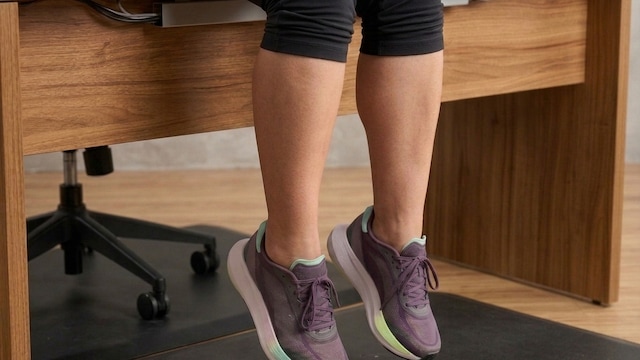
Calf raises are a simple yet effective exercise that can be performed even while sitting. This exercise engages the calf muscles and promotes blood circulation, which can help lower blood sugar levels.
How calf raises help lower blood sugar levels post-meals
Performing seated calf raises is a highly effective way to stabilise your metabolism after eating. According to research published in the journal iScience, engaging the soleus muscle in the calf lowers post-meal blood sugar spikes by up to 52% and reduces the accompanying insulin response by up to 60%.
When you do calf raises, the muscle contractions help enhance glucose uptake by muscles, effectively reducing the sugar circulating in your bloodstream. Performing calf raises after meals, even for a few minutes, can help prevent those post-meal spikes and keep blood sugar levels more stable, contributing to better overall health management.
How to perform a post-meal soleus push-up
- To optimally blunt a blood sugar spike, start the exercise within 60 to 90 minutes after finishing a meal, which is typically when blood glucose levels peak.
- Sit comfortably in a chair with your thighs parallel to the ground and your knees bent at a 90-degree angle. Keep both feet flat on the floor.
- Keep the front/balls of your feet securely pinned to the ground. Raise your heels as high as they can go to fully contract the calf.
- Let your heels drop back down to the ground in a smooth, controlled manner. Do not bounce your feet or use momentum.
- Aim for a continuous, steady rhythm for 10 to 15 minutes while working, watching television, or relaxing.
Muscles usually use stored carbohydrates (glycogen) for quick energy, which can make them tire quickly. The soleus muscle is different because it has slow-twitch fibres that don't rely much on glycogen. Instead, it burns blood sugar and free fats using oxygen.
Since the soleus muscle doesn't run out of glycogen, it can resist fatigue well. This lets you do many repetitions while sitting at a desk. Traditional standing exercises or intense workouts quickly use up glycogen and make you stop, while the seated soleus push-up keeps your metabolism steady for longer periods.
While a post-meal walk is still highly recommended because it utilises larger total muscle groups, seated calf raises offer an incredibly accessible, scientifically validated alternative when you are stuck at a desk or unable to step outside.
Disclaimer: This content including advice provides generic information only. It is in no way a substitute for a qualified medical opinion. Always consult a specialist or your own doctor for more information. NDTV does not claim responsibility for this information.