

)
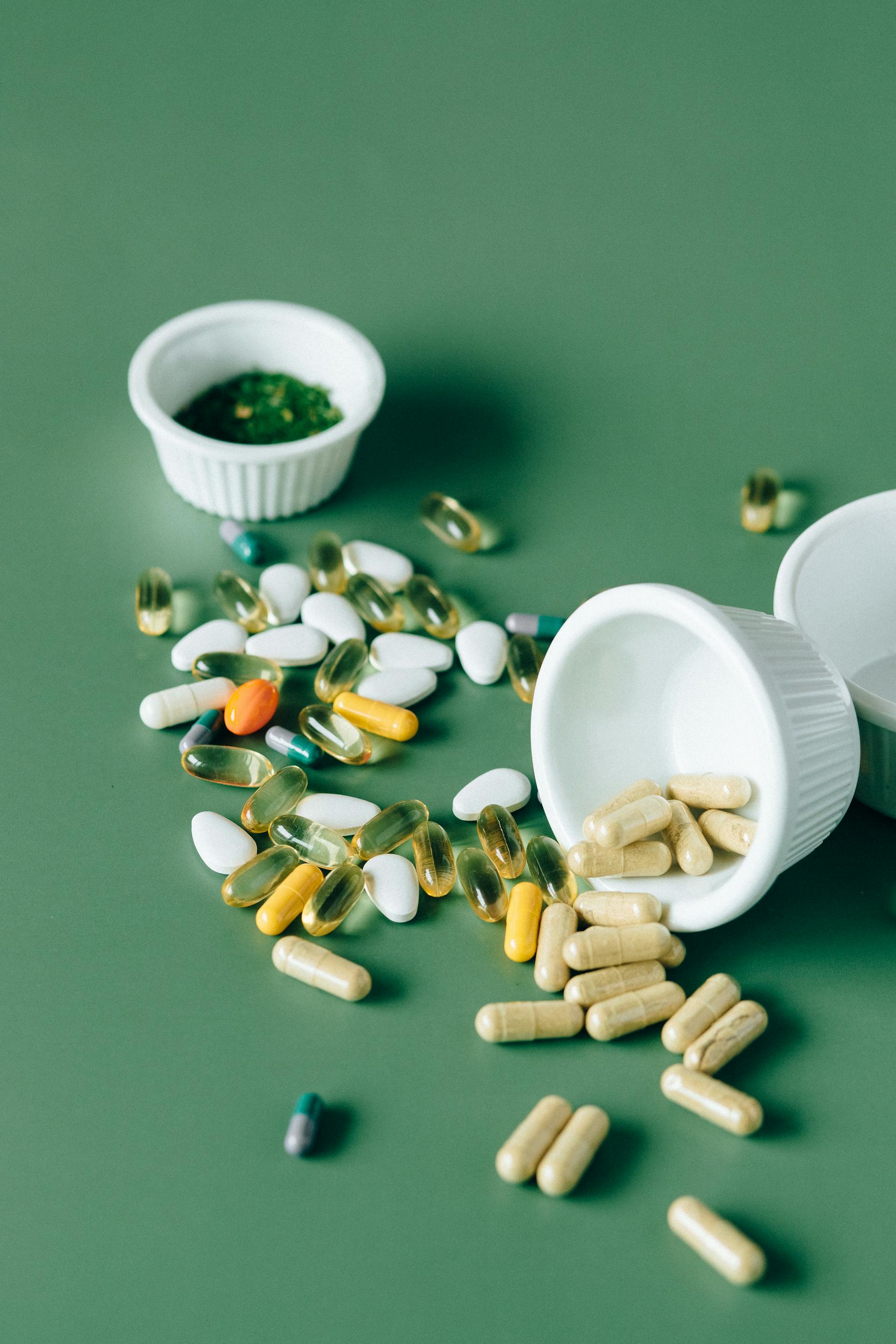
Supplements can be an easy way to fill certain gaps in your diet, but taking them is not always as simple as popping a pill whenever you remember. Different vitamins and minerals are absorbed differently by the body. Some are better taken with food, some with a meal that contains fat, while a few are commonly taken on an empty stomach. Even the time of day can matter when it comes to how comfortable or convenient a supplement feels. That does not mean you need a complicated schedule for every capsule in your cabinet. But knowing a few basics can help you get the most out of what you are already taking – and may also help avoid issues such as nausea or poor absorption.
Nutritionist's Guide To Supplement Consumption
Nutritionist Anjali Mukerjee has shared a post on Instagram covering exactly this. “Not all supplements work the same way,” she writes, pointing out that some need food, some an empty stomach, and some work better when taken with fat.
Here's a breakdown of her guide:
- Vitamin D3: Take it with a meal containing healthy fats, such as nuts, seeds, avocado, olive oil or ghee.
- Vitamin B12: It can be taken with or without food, with morning being the preferred time. Sublingual B12 can be placed under the tongue.
- Omega-3: Take it with a main meal containing some fat for better absorption.
- Magnesium: The post suggests taking it with water, preferably in the evening. A light snack can help if it bothers your stomach.
- Iron: Ideally, take it on an empty stomach with vitamin C or citrus juice. If that causes stomach upset, take it after a light meal.
- Ashwagandha: The guide suggests taking it after dinner or before bed with warm water or milk.
- Vitamin C: It can be taken with or without food and split into two doses.
- Zinc: Take it after a meal to reduce the chance of nausea.
- L-theanine: Take it with water. It can be paired with morning coffee for focus or used in the evening for relaxation.
- Vitamin A, selenium, biotin and calcium: Vitamin A works better with a fat-containing meal, selenium is suggested with breakfast or lunch, biotin can be taken consistently at the same time each day, while calcium is best taken with meals. Calcium doses above 500 mg a day should be divided.
The larger takeaway? It is not just what supplement you take, but also how you take it. As Mukerjee puts it, “Taking the right supplement is only part of the equation. Taking it correctly matters too.”
Also Read: From Bhuna Chana To Sattu: 5 Indian Snacks To Make Your 5 PM Hunger Healthier
Disclaimer: This content including advice provides generic information only. It is in no way a substitute for a qualified medical opinion. Always consult a specialist or your own doctor for more information. NDTV does not claim responsibility for this information.