

)
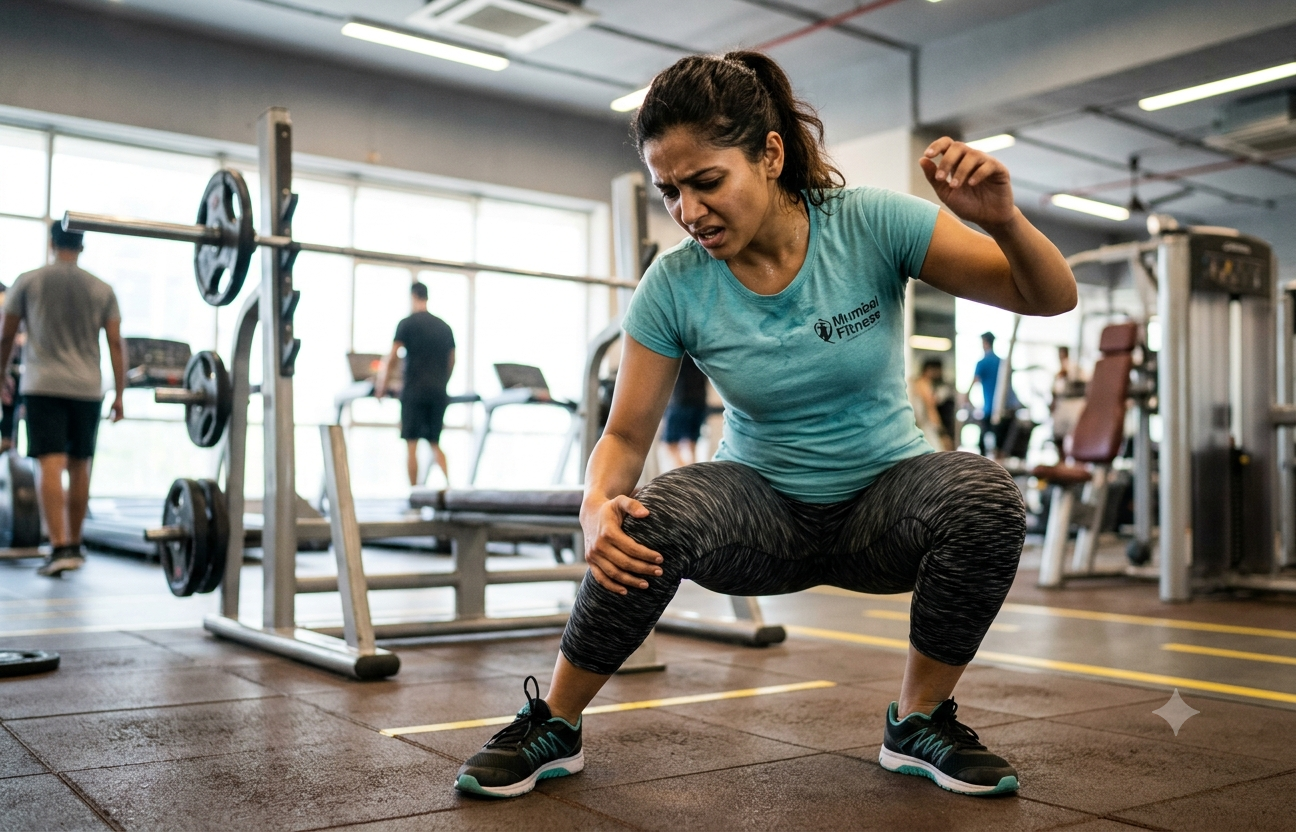
Fitness enthusiasts often notice that their knees pop, crack, or click while doing squats. While this may be harmless in some cases, it could be a sign of a joint issue that needs to be understood. According to the BMJ Journal, this sound is known as 'knee crepitus', and it is considered harmless, but it could pose a health issue if it is accompanied by underlying joint issues or if pain is present. If you are wondering why your knees tend to pop every time you squat, then your joint structure and lubrication may be behind this. The British Journal of Sports Medicine, which looked at over 36,000 participants, found that popping of knees during squats is common even in healthy people. But about 81% of people who experience it too frequently are at risk of knee osteoarthritis and need to wear protective knee support while performing squats to safeguard their joint health.
What Causes Knees To Pop During Squats?
The BMJ Journal suggests that your knees can pop during squats when gas bubbles form inside the joint fluid and burst during exercises. The joint has been structured in such a manner that your tendons and ligaments move in a particular motion during exercise, and sometimes it is part of the natural body movement. The problem arises when joint pain accompanies the pop and crackle sound during squats.
Other signs that you need to keep in mind are joint swelling, locking of knees, mobility, functionality, and comfort. The form of performing squats can also affect your joints, especially if you are performing the exercise with weights.
What Is Crepitus?
'Knee crepitus' is a medical term used to refer to the grinding, cracking, or popping sounds that may come from your joints, primarily your knees, while exercises such as squats are performed.
Any kind of bending movement besides squats can cause it, and it can also be related to the following reasons:
- Age-related changes
- Cartilage wear
- Joint movement
When Knee Popping Is Usually Harmless
If your knee pops and there is no pain, swelling, or instability and full range of motion is maintained, then there is no cause for alarm. A lot of people who are otherwise healthy tend to experience knee pops while exercising, and it is painless most of the time.
When Knee Popping Could Signal A Problem
The normal knee popping or knee crepitus could signal an underlying biological problem if it happens alongside other signs. These signs should be kept in mind, and only a joint health specialist could diagnose a joint issue, as multiple factors need to be analysed.
1. Pain Along With Popping
The Osteoarthritis and Cartilage Journal suggests that if pain occurs along with knee popping, then there could be health issues behind it. These possible causes could be:
- Patellofemoral pain syndrome that occurs due to issues with the kneecap and femur (thigh bone).
- Cartilage damage that encompasses the joint and holds it in place.
- Overuse injuries can happen in those who put on too much weight or use excess exercise weights or over-exercise in general.
2. Swelling Around the Joint
Research published in the Life Journal suggests that knee popping could be attributed to causes such as the following:
- Inflammation
- Meniscus injury (part of the bone joint that gets easily injured due to shock to the joints)
- Arthritis
3. Knee Locking Or Catching
When knee popping or crackling happens alongside knee locking, then there may be an injury behind this happening. It could be :
- Torn meniscus
- Loose cartilage fragments
4. Feeling That The Knee May Give Way
This uncomfortable feeling can arise when the ligament is injured and/or the muscles holding it in place have become weak.
Should I Worry About Knee Popping If It Hurts?
Yes, you need to find out why the pain is occurring; if it happens too frequently, then an internal injury can be causing it. Identifying the cause and timely medical treatment are needed to treat it before it becomes worse, as, if ignored, it could become a persistent painful medical issue.
Common Medical Conditions Linked To Knee Popping
Knee popping during squats could be attributed to underlying biological joint health issues that may need medical treatment and physical therapy to restore mobility. Your joint health could suffer if these issues are ignored, so knowing the difference between a harmless knee pop and something serious is necessary.
Patellofemoral Pain Syndrome
This kind of joint pain can affect the knees and is also referred to as runner's knee. It could be identified if you are experiencing any pain around the kneecap, especially when you try to exercise.
Osteoarthritis
This degenerative joint health issue can affect people of advanced age or those with physically immobile occupations. It happens due to the breakdown of cartilage that surrounds the joint socket, and that integrity is necessary for joint mobility.
Meniscus Injuries
The C-shaped rubbery cartilage that acts as a shock absorber between the shinbone and the thighbone can suffer from tears due to over-exercising or injury due to external forces.
Tendon and Ligament Issues
Your joints function based on an integrated network of muscles, tendons, and ligaments that move in a direction that maintains your range of motion. But when these tight structures move across the joint bone, then an injury or overextension of the tendon or ligament can cause your knee to pop while exercising.
Does Knee Popping Mean Your Cartilage Is Wearing Out?
Not always, but it could sometimes be related to cartilage issues, and a knee pop is not a sign of wear and tear. It can only be figured out by looking at other symptoms that may indicate joint issues, and certain mobility and muscle tests may be necessary.
How To Keep Your Knees Healthy During Squats
If you perform squats or are planning to start this exercise, then you need to keep your joint health in mind. This involves making choices that ensure your joints are protected as you put controlled stress on them.
Proper Squat Technique
Your spine, hands, and ankles need to be properly aligned while doing squats to ensure your joints are not negatively impacted. Furthermore, you need to avoid excessive inward knee movement to safeguard your joints. And you need to gradually increase your sets and their frequency to make your body used to the movement and to avoid injury.
Strengthen Supporting Muscles
Doing squats is not enough, but you also need to strengthen the muscles that support your range of motion while exercising. This involves focusing your fitness efforts on strengthening quadriceps, hamstrings, glutes, and calves, which can make your legs stronger and help you maintain your fitness goals.
Improve Mobility
Your range of motion depends on your flexibility, and this also depends on your hip and ankle mobility, as your entire leg and internal joints need to support your physical movement. Before starting squats, it is necessary to focus on doing dynamic warm-ups to make your muscles loose and ready for movement.
Maintain Healthy Body Weight
Your knees function better when you have a healthy weight, as the pressure on the knees can be controlled.
Exercises That May Help Reduce Knee Clicking
Particular exercises could reduce the problem of knee clicking or popping, and this can also help make your joints much more comfortable and restore your range of motion. These exercises include:
- Straight-leg raises
- Wall sits
- Glute bridges
- Clamshells
- Step-ups
- Resistance band exercises
You need to focus on strengthening surrounding muscles along with squats to improve knee tracking and stability.
When Should You See A Doctor?
An orthopaedic specialist should be consulted when you experience any of these red flags along with knee popping:
- Persistent pain
- Swelling
- Knee locking
- Instability
- Reduced range of motion
- Recent injury
Knee popping could be related to a medical issue if it happens alongside other symptoms. Knowing when it is harmless and when it is a medical issue is necessary to seek medical treatment to restore your joint health.
Also Read: Squats vs Walking: Which Burns More Calories?
Disclaimer: This content including advice provides generic information only. It is in no way a substitute for a qualified medical opinion. Always consult a specialist or your own doctor for more information. NDTV does not claim responsibility for this information.